Merger deal between Paramount and Warner Bros paused by judge

Merger deal between Paramount and Warner Bros paused by judge
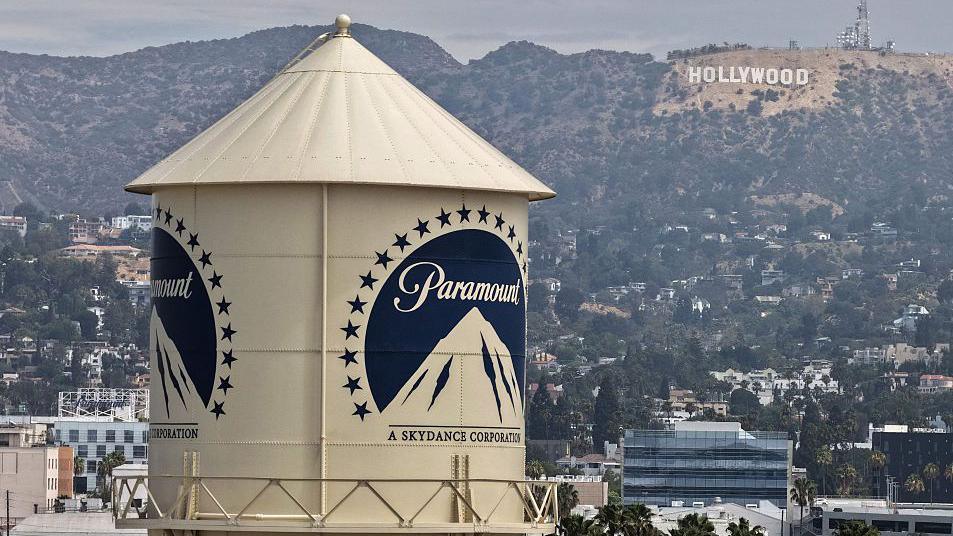
Ninoda.com – The merger deal between Paramount and Warner Bros has been temporarily halted by a federal judge, marking a significant development in the ongoing antitrust battle over the $110bn (£85bn) consolidation of two major entertainment companies. The court’s decision came after a coalition of 12 states, including California and New York, filed a lawsuit challenging the merger’s potential to stifle competition in the film and streaming markets. The judge, Araceli Martínez-Olguín, granted a 14-day injunction to allow further review of the deal, which could reshape the media landscape by combining Paramount Skydance and Warner Bros Discovery into a single powerhouse.
States highlight antitrust concerns
The states argue that the merger deal between Paramount and Warner Bros would create a dominant force in the entertainment industry, potentially reducing consumer choices and inflating prices. In a
“substantial harm on movie theatres, basic cable distributors, and, ultimately, audiences nationwide”
, the coalition emphasized that the combined entity would control over a quarter of all major film releases, giving it unprecedented leverage in negotiations with streaming platforms, distributors, and exhibitors. Legal experts warn that such market dominance could lead to anti-competitive practices, including exclusive deals that favor the merged company over smaller rivals.
California, a key state in the lawsuit, has been particularly vocal about the merger’s implications for content availability and pricing. The state’s attorneys contend that the deal would weaken the bargaining power of movie theaters and basic cable networks, leading to higher ticket prices and fewer options for viewers. They also cite concerns about the future of streaming services, arguing that the merged company could dominate the market and limit innovation from emerging platforms.
Companies defend the merger
Paramount and Warner Bros Discovery assert that the merger deal between Paramount and Warner Bros will deliver long-term benefits to consumers and the industry. They argue that the union of their film libraries, TV networks, and digital platforms will streamline operations, reduce costs, and improve the quality of content available on streaming services. The judge acknowledged the validity of these claims but stressed that the potential risks to market competition warranted further scrutiny.
In her ruling, Martínez-Olguín highlighted the need to balance innovation with fair competition. “The merger could lead to efficiencies that benefit consumers, but we must also ensure that no single entity gains too much control over the market,” she stated. The companies’ defense includes projections of increased investment in original content, expanded global reach, and enhanced technological capabilities. However, critics remain skeptical, pointing to the dominance of existing streaming giants like Netflix and Disney as a precedent for market consolidation.
Legal proceedings continue
The next court hearing is scheduled for August, pending additional evidence and arguments from both sides. During the current phase, the judge has mandated that Paramount and Warner Bros Discovery cannot proceed with the merger until the court has made a final decision. This pause allows the companies to address the concerns raised by the states and potentially modify the deal to satisfy antitrust requirements.
Meanwhile, Warner Bros Discovery shareholders have already approved the $111bn takeover, signaling strong internal support for the merger despite the legal hurdles. The case has drawn attention to the broader trend of media consolidation, with companies increasingly seeking to expand their reach through mergers and acquisitions. Industry analysts suggest that the merger deal between Paramount and Warner Bros could set a new standard for how major studios operate in the evolving entertainment ecosystem.
Franchises and market dominance
One of the primary motivations for the merger deal between Paramount and Warner Bros is the combination of their iconic franchises, including Harry Potter, Batman, Mission: Impossible, and Top Gun, alongside TV networks like CNN, MTV, and Nickelodeon. This integration would create a vast content library, giving the new entity a competitive edge in the streaming and traditional media markets. However, the states warn that this dominance could lead to unfair pricing strategies and reduced opportunities for independent filmmakers and producers.
The merger also raises questions about the future of the film industry’s distribution model. With the combined studio controlling a significant portion of the market, there are fears that smaller distributors may be forced to partner with the new entity or risk being excluded from major releases. The judge’s temporary pause is seen as a critical opportunity for the states to present a stronger case and potentially block the merger entirely, ensuring a more balanced media market.
Industry reactions and next steps
The merger deal between Paramount and Warner Bros has sparked mixed reactions from industry stakeholders. While some applaud the potential for enhanced content creation and global reach, others worry about the concentration of power and its impact on free competition. The case underscores the growing tension between innovation and market regulation in the entertainment sector, as media giants continue to expand through strategic acquisitions.
As the legal battle unfolds, the outcome of the merger deal between Paramount and Warner Bros could have far-reaching consequences for the film and streaming industries. If the judge ultimately approves the merger, it may set a precedent for future consolidations. Conversely, a blockage could force the companies to renegotiate terms or seek alternative solutions to address the antitrust concerns. The decision will not only affect the companies involved but also shape the direction of the entertainment market for years to come.