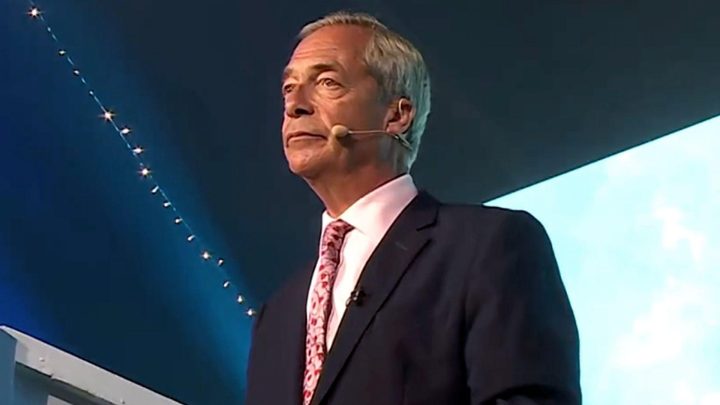
Move to rejoin EU among options for UK, says Burnham

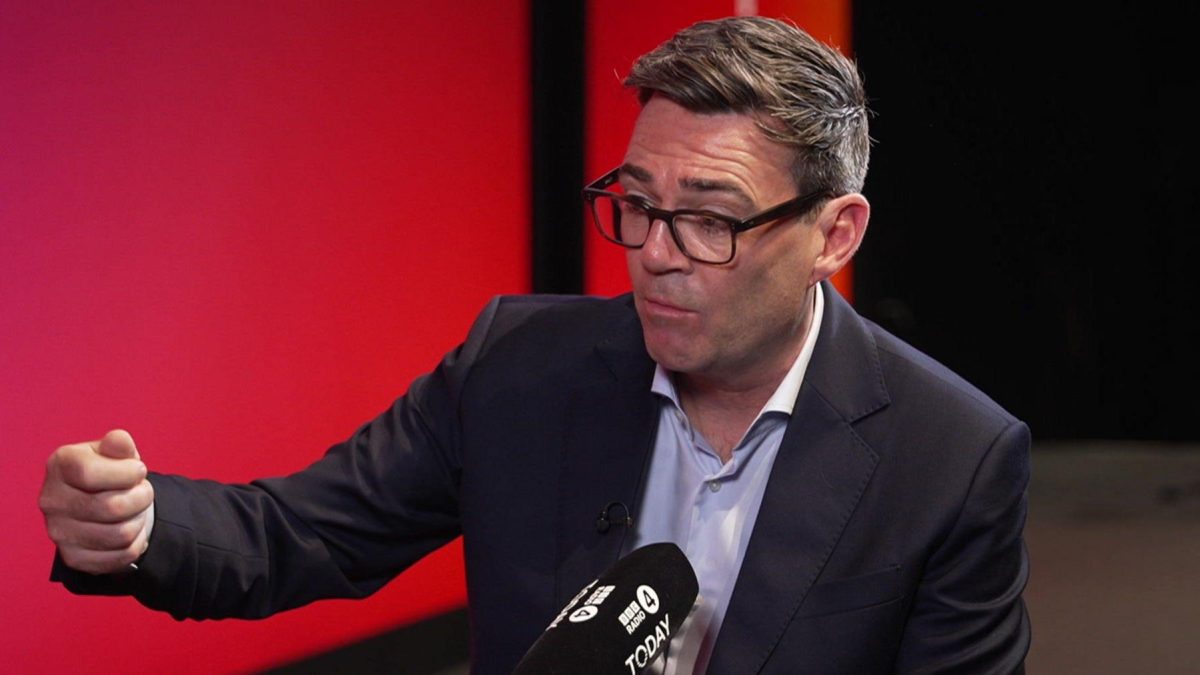
Table of Contents
Burnham Signals EU Rejoining Could Be Considered in Long-Term UK Strategy
Ninoda.com – Andy Burnham has indicated that returning to the European Union could be one of several paths considered as the UK reassesses its relationship with Europe over the coming decade. The prime minister said the existing Brexit arrangements had brought “more harm than good” and argued that the government should examine practical ways of improving cooperation with the bloc.
His comments point to a potentially significant shift in Labour’s approach. During the 2024 general election campaign, the party’s manifesto committed to making Brexit work and explicitly rejected renewed membership of the EU, its customs union and its single market. Burnham is now suggesting that the debate should not be closed before the government has considered the available choices.
The issue is likely to become a major political dividing line before the next general election. Conservatives have accused Labour of seeking to revive disputes from the Brexit era, while supporters of a closer relationship with Europe will see Burnham’s remarks as an opening for a broader national discussion.
A choice between several models
Speaking on BBC Radio 4’s Today programme, Burnham said he did not want the question of Britain’s relationship with the EU to remain unresolved. He said the government needed to set out where it wanted the country to be in 10 years’ time.
When asked directly whether he wanted the UK to rejoin the EU, Burnham did not commit to one outcome. Instead, he said ministers should assess the options, their benefits and their drawbacks. He noted that he had previously supported rejoining within his lifetime, while recognising that this might not necessarily be the position now.
“We could stay as we are. That’s definitely an option, if people think this is the right place to stay.”
He also referred to proposals associated with former chancellor George Osborne for a customs union, as well as the Liberal Democrats’ support for joining the single market. Full EU membership, Burnham said, was another possible destination.
“So there are clearly options that need to be considered, and we have to look at what is doable and what would be the pros and cons of each.”
A customs union would focus on trade arrangements and tariffs, while single-market participation would involve a deeper level of economic alignment. Rejoining the EU would be the most far-reaching option, affecting the UK’s wider political and economic relationship with European institutions. Burnham’s position is that these alternatives should be examined openly rather than ruled out in advance.
European summit delayed until later this year
Burnham used his Labour conference speech on Tuesday to argue that Brexit had weakened Britain’s control over both immigration and the economy. He told party members that the current settlement with the EU was not sufficient and said he wanted to outline different long-term choices at a summit with European leaders later this year.
That meeting had originally been expected during the summer but was postponed following Sir Keir Starmer’s departure from office. Burnham has said he intends to use the rescheduled summit alongside the publication of a 10-year plan intended to transform the UK economy.
The timing matters because the government is seeking to frame relations with Europe as part of a broader economic strategy, rather than simply as a return to the arguments surrounding the 2016 referendum. Any closer arrangement would need to be assessed against its effects on trade, regulation, migration, investment and the UK’s ability to make its own policy choices.
Burnham has promised to seek consensus around a preferred option that would provide greater clarity about Britain’s future direction. He has not yet explained how that consensus would be defined or measured, leaving important questions over whether the process would involve a manifesto commitment, public consultation or another route.
Contrast with Labour’s previous position
Before Burnham became prime minister, Sir Keir Starmer had pursued a narrower reset with Brussels. That approach included possible alignment with EU food standards, a youth visa arrangement and reconnecting British industry to the EU’s carbon trading system. The aim was to improve cooperation without reopening the question of membership, the customs union or the single market.
Burnham’s latest intervention goes further. During the Makerfield by-election that returned him to Parliament, he said he would not “re-run” Brexit debates and stated that he was not proposing that the UK consider rejoining the EU. His current language is therefore the clearest indication to date that he may be prepared to depart from Labour’s 2024 manifesto position.
That does not mean a decision has been made. Burnham has explicitly included maintaining the present arrangement among the possibilities. However, placing rejoining alongside a customs union, single-market participation and the status quo changes the scope of the discussion. It suggests that the government’s future European policy may be shaped by a comparison of competing models rather than by a fixed commitment to the existing post-Brexit framework.
Conservative criticism
The Conservatives responded by accusing Labour of trying to shift responsibility for its economic choices onto Brexit. Deputy leader Alex Burghart said the party was already pursuing closer links with the EU through its reset agenda.
“Labour cannot pin the blame for their disastrous economic decisions on a vote that happened over a decade ago. Besides, they are already dragging us into the European Union via the back door with their EU reset.”
The exchange underlines how quickly the question could return to the centre of party politics. For some voters, the priority will be reducing barriers between the UK and European partners. Others will argue that the referendum result should remain settled and that closer integration risks undermining the autonomy Brexit was intended to deliver.
Burnham’s planned summit and 10-year economic programme will be closely watched for details. The central question is no longer only how to improve the current relationship with Europe, but whether the UK should eventually pursue a fundamentally different one.
Related Reading
Frequently Asked Questions
What is Move to rejoin EU among options?
Move to rejoin EU among options is the main topic of this guide. The article explains the context, practical details, and next steps readers should understand.
Why does Move to rejoin EU among options matter?
Move to rejoin EU among options matters because readers are looking for a useful answer, not just a short summary. Good content should match search intent and help them decide what to do next.