‘My only son was shot standing up for justice’ – inside city gripped by deadly protests in Pakistan-administered Kashmir

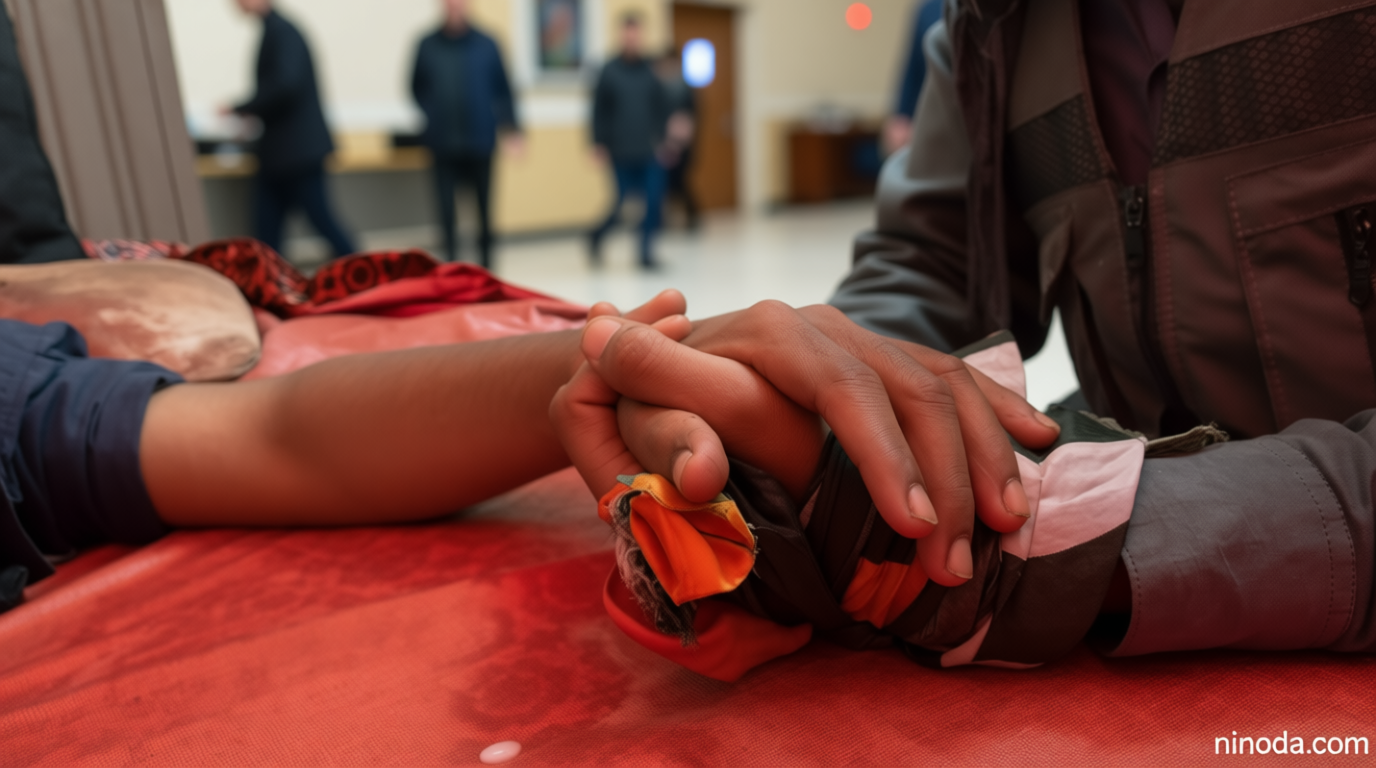
Table of Contents
Inside the City Where Protests Turn Deadly
Ninoda.com – Shafqat Hussain lies motionless on a simple bed positioned beneath a red tarpaulin outside a modest home. A blood-stained sheet covers his body, marking him as one of many who have suffered at this makeshift medical station. The young man was shot through the chest and is fading fast. This clinic belongs to Dr. Anwar, whose surname has been altered to shield those involved in this unfolding crisis. Located near the heart of demonstrations in Rawalakot, Pakistan-administered Kashmir, the facility operates with limited resources.
A Community Under Siege
Over the past eight weeks, violence has claimed dozens of lives across this territory of approximately 4.5 million residents. Clashes between security personnel and demonstrators affiliated with the Joint Awami Action Committee have intensified dramatically. The BBC has secured unprecedented access to Rawalakot, becoming the initial news organization to interview individuals directly affected by these events.
Dr. Anwar explains the limitations of their current setup: “We possess adequate materials for emergency care. Our team can control hemorrhaging, sanitize injuries, and extract surface-level projectiles. However, individuals suffering severe trauma to critical areas require specialized medical facilities.”
“Even major hospitals would struggle if many such patients arrived at the same time.”
The physician reports that since late July, his facility has handled between fifty and sixty severely wounded demonstrators. He personally administered treatment to fifteen or twenty individuals who sustained bullet injuries. Many protesters hesitate to visit the primary hospital, fearing detention or being shot by authorities—claims officials dispute.
The Human Cost of Resistance
“Most of those who have been killed or seriously injured are young people between about 15-16 years old and 32-35 years old,” Dr. Anwar observes. “I have seen very few patients over the age of 40.”
At Shafqat’s side, his companion Ali struggles to compose himself. “We only asked for affordable flour, electricity and our basic rights,” he manages through tears. “Instead, our brothers are being killed. What was our crime? Why are live bullets being fired at us?”
The JAAC maintains that their demonstrations address fundamental concerns including electricity costs, educational access, and medical services. An October accord between Pakistan and PAK administrations was intended to resolve these issues, though the committee claims it remains unfulfilled. Local officials counter that the organization carries weapons and seeks to disrupt current electoral processes.
“Most of those who have been killed or seriously injured are young people between about 15-16 years old and 32-35 years old. I have seen very few patients over the age of 40.”
Authorities assert that JAAC members have obstructed access routes to the city. The group received a ban in June and faces accusations of receiving foreign funding. They deny being terrorists, insisting their movement remains peaceful and that while financial support comes from the PAK diaspora, India does not sponsor them.
Families Mourn Their Lost
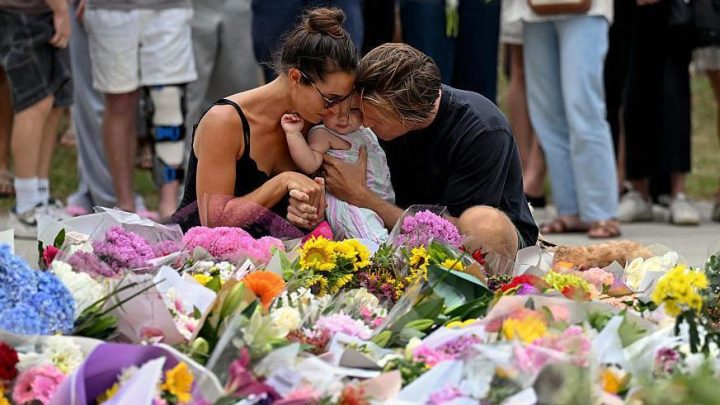
With communications severed and thoroughfares sealed, families have struggled to learn the fate of their relatives. Asma attended a demonstration when news reached her that her sole child had been shot.
“We were only asking for our rights. We are not terrorists,” she said. “No mother could ask for a better son.” “He knew there were risks, but he believed standing up for justice was important. He used to say that dying for a just cause was an honour.”
Salman described losing his youngest sibling, someone cherished by all. “He was the youngest in the family and was loved by everyone. It is a great loss for us,” he reflected. “At the same time I feel proud that he gave his life while standing up for the rights of the people. He was not fighting or attacking anyone.”
Ayub, a former military serviceman, also lost his son. Unlike many who blame Islamabad, he directed criticism toward PAK’s leadership for deploying paramilitary units.
“I am a retired soldier. I lived through the martial law periods of General Zia-ul-Haq and General Pervez Musharraf,” he recalled. “But I have never seen anything like what is happening now. In my opinion, it is extreme injustice.” “My son had done nothing wrong. None of the protesters had done anything wrong.”
Pakistan-administered Kashmir currently conducts local elections amid this turmoil. Government representatives have dismissed accusations that security forces employed indiscriminate force against demonstrators.
Related Reading
Frequently Asked Questions
What is My only son was shot standing?
My only son was shot standing is the main topic of this guide. The article explains the context, practical details, and next steps readers should understand.
Why does My only son was shot standing matter?
My only son was shot standing matters because readers are looking for a useful answer, not just a short summary. Good content should match search intent and help them decide what to do next.