New super flu vaccine rollout begins as NHS regroups from ‘busiest summer’

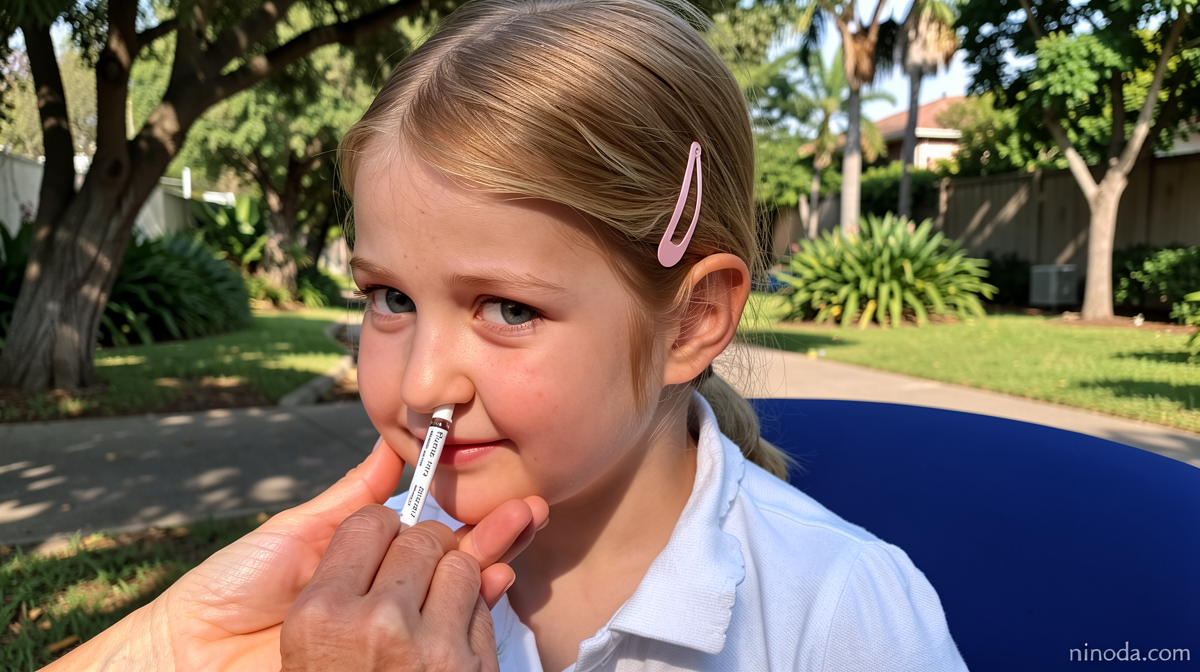
Table of Contents
Updated Flu Jab Targets Last Year’s Surprise Variant as NHS Prepares for Winter
Ninoda.com – The first doses of this winter’s influenza vaccine have begun reaching patients across England, with school-age children and pregnant women receiving the jab from Tuesday. The formulation has been specifically adjusted to counter subclade K — the mutated seasonal influenza strain that arrived earlier and more aggressively than anyone anticipated during last winter’s outbreak.
What Made Last Winter’s Flu Season Unusual
Flu typically follows a predictable arc, peaking between December and February. Last year, however, the season kicked off more than a month ahead of schedule, driven by a novel viral subclade that had not circulated in the population before. Because no one had prior exposure to this particular configuration of the virus, infection rates climbed sharply and hospital admissions spiked across urgent and emergency departments.
The label “Super-K” is informal shorthand rather than a clinical designation. It does not imply the virus has become more virulent or harder to treat medically; rather, it signals that the population’s collective immunity had not yet adapted to this new arrangement of surface proteins. Annual vaccine reformulation exists precisely to stay ahead of such mutations, with experts forecasting likely viral shifts months before the northern hemisphere winter arrives.
Why Children and Pregnant Women Are First in Line
Schoolchildren are prioritised because they are both highly susceptible to infection and efficient vectors for spreading it to household contacts — younger siblings, grandparents, and other vulnerable relatives. Pregnant women receive early access because influenza during gestation carries elevated risks of complications for both mother and baby. By immunising these groups before the wider rollout, the programme aims to create a buffer that reduces transmission into the most at-risk segments of the community.
Other qualifying groups become eligible from October. Invitations will arrive by telephone or post, prompting recipients to book their appointment through a GP surgery, a school-based clinic, or an independent High Street pharmacy participating in the NHS scheme.
NHS England’s Warning on Timing and Pressure
Dr Amanda Doyle, representing NHS England, framed the early rollout as a necessary response to compounding pressures on the health system.
“Last year’s flu season came early and was made worse by a new variant, which had a major impact for patients and put enormous pressure on urgent and emergency care services across the country. With the NHS experiencing its busiest summer on record, staff have started preparing for this winter earlier than ever – and with services already under significant pressure, it is vital that everyone offered the vaccine comes forward.”
The “busiest summer” reference points to record demand for elective and emergency procedures accumulated over months of waiting lists, meaning that any additional winter surge could overwhelm already-stretched A&E departments and GP practices.
Reading the Southern Hemisphere Signal
Because the southern hemisphere experiences its winter roughly six months ahead of the UK, influenza activity in countries such as Australia and New Zealand serves as an early indicator of what northern populations may face. Those nations typically peak in July or August. So far, their 2024–25 season has produced comparatively modest case numbers, which some epidemiologists interpret as a cautiously optimistic sign. Nevertheless, the absence of a southern-hemisphere surge does not guarantee a mild northern winter, and officials continue to monitor genomic sequencing data weekly.
How the Vaccine Works and Who Qualifies
The jab does not cause influenza. It introduces inactivated viral components that train the immune system to recognise and neutralise the circulating strain before natural exposure occurs. Children aged two and above receive a single intranasal spray; adults receive an intramuscular injection. One dose confers protection for the coming season.
Those who do not qualify for the free NHS offering can purchase a private flu vaccine at most independent pharmacies for roughly £10 to £20.
Free NHS eligibility from September includes:
• School-age children and pregnant women
From October, additional groups qualify:
• Children aged two or older not yet enrolled in school
• Adults aged 65 and over
• Individuals with specified long-term health conditions
• Residents of care homes
• Primary carers of older or disabled persons, or recipients of a carer’s allowance
• Household members of someone with a weakened immune system
• People experiencing homelessness or residing in a night shelter or hostel
Expanded RSV Protection for Older Adults
Alongside the flu jab, a broader winter programme now includes a Respiratory Syncytial Virus (RSV) vaccine for adults. RSV attacks the lower respiratory tract and can cause severe bronchiolitis and pneumonia in older or immunocompromised patients. Beginning this September, adults will be invited to receive the RSV shot at age 65 — two decades earlier than the previous threshold of 75 — provided they carry certain pre-existing conditions such as chronic lung disease. The shift reflects growing recognition that respiratory viral infections in the 65-to-74 age bracket carry substantial morbidity and mortality risk.
What Patients Should Expect
No single factor — fitness, age, or prior illness — guarantees immunity from influenza. Dr Doyle cautioned that the virus “can really knock you for six, and for some children and pregnant women it can mean becoming seriously ill or ending up in hospital.” The practical message is straightforward: if an invitation arrives by phone, post, or school communication, booking the appointment promptly reduces both personal risk and the downstream burden on already-strained emergency services.
Related Reading
Frequently Asked Questions
What is New super flu vaccine rollout begins?
New super flu vaccine rollout begins is the main topic of this guide. The article explains the context, practical details, and next steps readers should understand.
Why does New super flu vaccine rollout begins matter?
New super flu vaccine rollout begins matters because readers are looking for a useful answer, not just a short summary. Good content should match search intent and help them decide what to do next.