Notting Hill Carnival revels in 60th anniversary celebrations

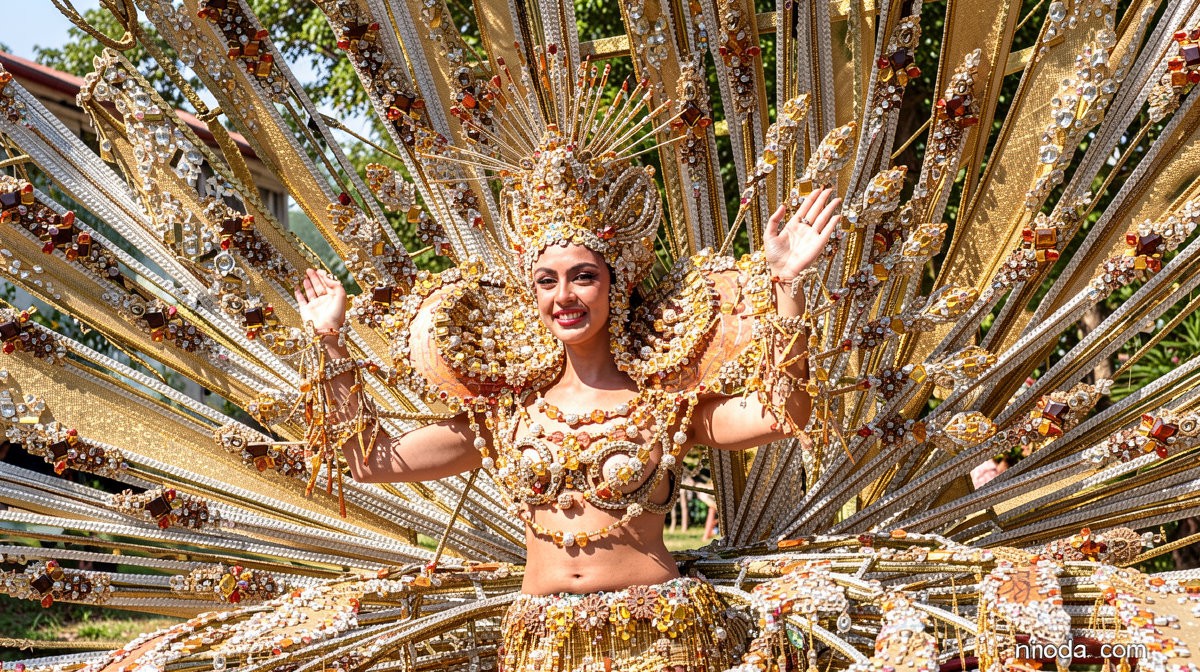
Table of Contents
Three Days, Two Million People, Six Decades: Notting Hill Carnival Marks Its 60th Anniversary
Ninoda.com – West London’s streets turned into a rolling ocean of sequins, feathers, and bass-heavy sound systems this bank holiday weekend as the Notting Hill Carnival reached its 60th edition. What began in 1966 as a modest celebration of Caribbean heritage has grown into Europe’s largest street festival, drawing an estimated two million attendees across Saturday, Sunday, and Monday. The adults’ parade, dozens of live bands, more than 30 static sound systems, and the unmistakable aroma of jerk chicken defined the final day of revelry.
A Legacy Rooted in Caribbean Identity
The carnival’s origins trace back to 1966, when Caribbean communities in west London sought a public space to honour their shared history, music, and traditions. Six decades later, the event remains a living archive of that heritage — not merely a party, but a deliberate act of cultural preservation played out on the streets of Notting Hill, Portobello Road, and surrounding neighbourhoods.
For performers and traders alike, the distinction between celebration and commemoration is central. Patricia, a parade participant dressed in an ensemble inspired by the ancestral traditions of the Yoruba people, spoke plainly about what drives her participation:
“A lot of people tend to lose the whole purpose behind the carnival. A lot of them are more into revelry rather than portraying a theme and enacting something. I feel like carrying an ancestral presence, because if they didn’t go before me, then I couldn’t do this. It’s almost like I’m paying tribute to my ancestors.”
Music as Cultural Infrastructure
Soca and calypso musicians formed the sonic backbone of the weekend. Evan, a soca band performer scheduled for Sunday’s lineup, described his role as more than entertainment:
“Caribbean music is everything. It’s a culture, it’s a lifestyle. How we walk, how we talk, how we smile, how we eat — it’s a combination of a lot of things.”
Soul-Rebel Marley, grandson of reggae legend Bob Marley, took the Rampage Sound stage on Sunday. He described performing at this year’s carnival as “a blessing” and rejected the notion that his family’s musical legacy imposed pressure. Instead, he characterised it as “a guiding light” — a lineage that informs rather than constrains.
From across the Channel, Sophie, Rachel, and Sara flew in from the Netherlands to join the long-running Mangrove Mas band. Sophie framed their journey as a step up from smaller European events: “We took part in the parade in Rotterdam, but now we’re ready for the real one.” Rachel distilled the appeal in a single breathless list — “the energy, the colours, the music” — before adding what she considered most vital: “the cohesion of all the vibes and cultures coming together.”
The Human Machinery Behind the Spectacle
Behind the glittering floats and thundering drums, a vast logistical operation runs on early mornings and exhausted bodies. Lorraine, who runs the Luv Jerk food stall, said her crew began assembling their stand at 02:00 BST on Monday to prepare for the day’s foot traffic.
“It is really hard work but it is really fun. This being its 60th year, we’re really excited to bring all the energy and the great food and to serve all the lovely customers. Ackee and saltfish is my favourite dish but it’s also the Jamaican national dish. I just love it, I could eat it for breakfast, lunch and dinner.”
Jackie, of Jay Dee’s Catering, has been trading at the carnival for fifteen years alongside her family business. She described the physical toll — three hours of sleep the previous night — alongside the emotional reward of recognising returning customers year after year.
“I’ve done Carnival for 15 years. It’s very hard. I got three hours’ sleep last night and I’m back here again. Most of the customers, they come again every year, we see the same faces. It’s such an exciting time, coming together, seeing all of these lovely costumes and lovely people — we are the greatest when we come together as people.”
Adornment as Cultural Memory
At the Litty Glitty glitter and body-art stand, owner Tashma pushed back against the idea that festival decoration is superficial. Applying shimmer to a customer’s face, she explained:
“It’s deeper than that, and it brings everything to life. You find so much glitter in festivals but people forget that costumes like these originated from our culture. My mum is from Barbados, my dad is from Jamaica, but we are all one. When we celebrate today, whether it’s glitter, your hair, what nails you decide to do — every little detail matters. It always goes back to our culture because we want to make sure that people understand and remember that this isn’t just a big party; we have history and that’s never going to be forgotten.”
A Moment of Silence for Grenfell
Amid the noise and colour, the weekend carried a solemn counterpoint. At 15:00 BST on Sunday, a 72-second silence was observed across the carnival grounds to honour the 72 people killed in the Grenfell Tower fire in June 2017, a tragedy that struck close to the festival’s usual route. The pause underscored how the carnival’s neighbourhood has absorbed both joy and grief into its collective memory.
Scale, Structure, and Continuity
The three-day programme opened Saturday with a steelband competition, moved to the children’s parade and carnival on Sunday, and culminated Monday with the adults’ parade — thousands of performers in bejewelled headpieces, layered feathers, and sequined bodysuits marching through west London. The event’s growth from a single-day community gathering to a multi-million-attendee spectacle reflects both the deepening roots of Caribbean-British culture in London and the festival’s role as a platform for diaspora artists, traders, and families spanning generations.
As the final sound systems powered down and the last food stalls packed away, the 60th anniversary closed not with a fade but with a reaffirmation: that the carnival endures because the people who build it, year after year, choose to keep showing up.
Related Reading
Frequently Asked Questions
What is Notting Hill Carnival revels in 60th?
Notting Hill Carnival revels in 60th is the main topic of this guide. The article explains the context, practical details, and next steps readers should understand.
Why does Notting Hill Carnival revels in 60th matter?
Notting Hill Carnival revels in 60th matters because readers are looking for a useful answer, not just a short summary. Good content should match search intent and help them decide what to do next.