Nvidia announces new AI chip for personal computers

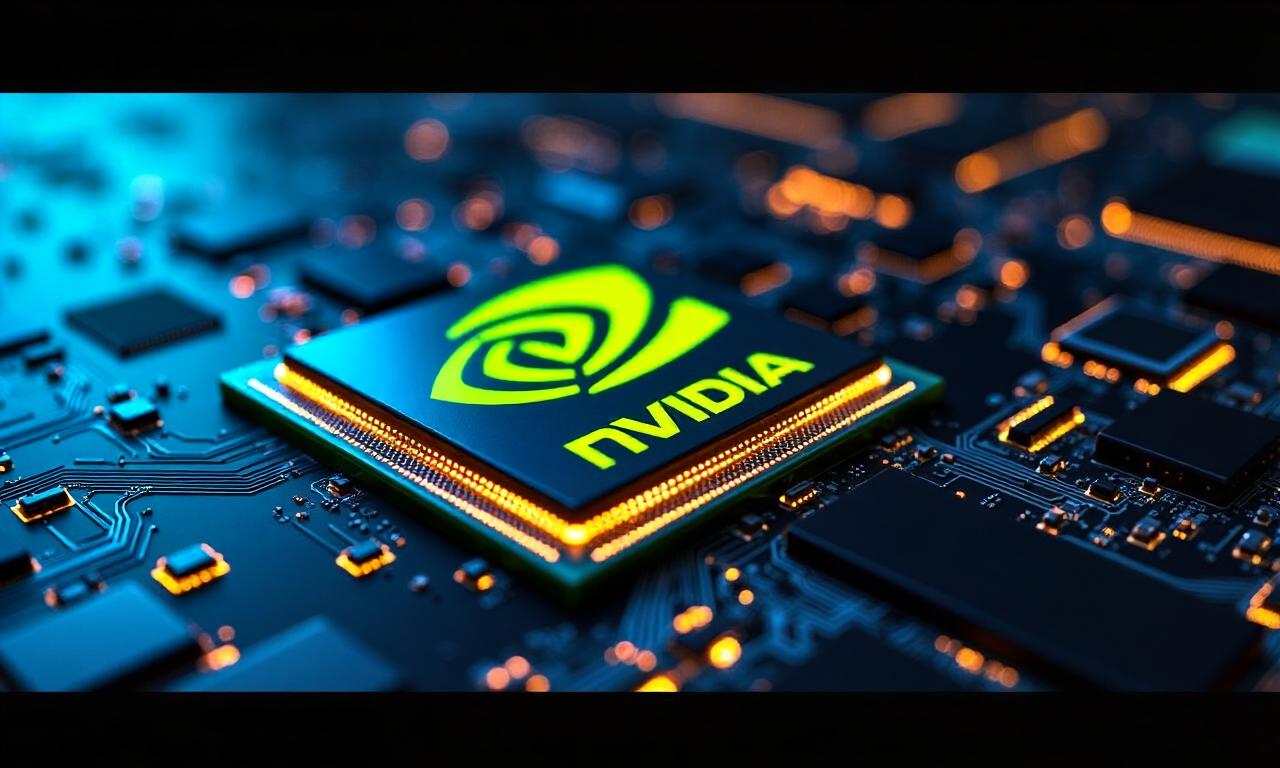
Nvidia Launches New AI Chip for Consumer PCs
Ninoda.com – In a strategic move to expand its footprint in the personal computing sector, Nvidia has unveiled a groundbreaking new chip designed specifically for consumer-grade devices. This development positions the company to challenge traditional leaders in the PC market while advancing the integration of artificial intelligence technology into everyday computing. The chip, named the RTX Spark, represents a significant shift in how AI capabilities are embedded in hardware, promising to redefine user interactions with technology.
CEO Highlights the Significance of the Innovation
Nvidia’s chief executive, Jensen Huang, emphasized the transformative potential of the RTX Spark during its official announcement. “This is a pivotal moment in computing history,” he stated, noting that the chip signals a new era where personal computers evolve beyond mere tools to become collaborative partners in daily tasks. The RTX Spark is marketed as a “superchip” tailored for the growing demand for AI-driven applications, such as virtual assistants, autonomous systems, and data processing on local devices.
“This reinvention of the computer is as big of a deal as the reinvention of the phone into what we now know as the smartphone,” Huang said during a keynote address at the Computex technology show in Taipei, Taiwan.
The unveiling took place on Monday, as Huang delivered a keynote speech preceding the official launch of Computex. This event marks a critical juncture for Nvidia, which has long dominated the data center and gaming markets. The RTX Spark’s introduction to consumer PCs underscores the company’s ambition to bridge the gap between enterprise-level AI processing and mainstream computing. By targeting personal users, Nvidia aims to create a new category of devices that leverage AI for tasks like real-time translation, predictive analytics, and personalized user experiences.
Regulatory Measures Impact AI Chip Availability
Just days before the RTX Spark’s debut, the U.S. government introduced stricter export controls on Nvidia’s advanced chips. This decision was part of broader efforts to limit the transfer of cutting-edge technology to Chinese entities, particularly those involved in AI development. The new regulations target not only the most sophisticated chips but also clarify rules for subsidiaries of Chinese companies operating outside China. This move has raised concerns among manufacturers and consumers about potential supply chain disruptions.
The RTX Spark is part of a growing trend in which AI chips are becoming essential components for both enterprise and consumer technologies. Nvidia’s ability to adapt its hardware for personal use reflects the company’s deep understanding of AI’s evolving role in daily life. The chip’s design integrates powerful processing capabilities with energy efficiency, making it suitable for laptops and desktops without compromising performance. This innovation is expected to enable users to run complex AI models locally, reducing reliance on cloud-based services and enhancing privacy.
Partnerships and Market Expansion
Nvidia has partnered with several major PC manufacturers to ensure the RTX Spark reaches a wide audience. The chip will be featured in a new line of Windows PCs from Lenovo, HP, Dell, Asus, MSI, and Microsoft Surface. These devices are scheduled for release in the autumn, with additional models from Acer and Gigabyte set to follow in the coming months. The inclusion of multiple brands signals a concerted effort to establish the RTX Spark as a standard component in the next generation of personal computers.
The expansion into the consumer market is a bold strategy for Nvidia, which has primarily focused on data centers and gaming graphics. By introducing AI capabilities directly into PCs, the company seeks to compete with high-profile rivals like Apple and Intel. According to Gartner, Lenovo, HP, Dell, and Apple collectively accounted for nearly 75% of the global PC market in the first three months of this year. Nvidia’s entry into this space could disrupt existing market dynamics, particularly if the RTX Spark gains traction among users seeking enhanced AI functionality.
Broader Implications for AI Technology
The RTX Spark’s release is closely tied to the rapid growth of AI applications across industries. Data centers have been the backbone of AI innovation, but the shift toward AI integration in consumer devices reflects a broader trend of democratizing technology. Nvidia’s stock market valuation, which surpassed $5 trillion, is largely driven by its leadership in AI hardware. The company’s success in data centers has enabled it to invest heavily in research and development, creating products that now cater to a wider audience.
As the demand for AI capabilities grows, the competition between chip manufacturers is intensifying. The U.S. export rules, which now require licenses for advanced AI chips sold to Chinese subsidiaries, highlight the geopolitical stakes in this technological race. By securing partnerships with leading PC brands, Nvidia is not only expanding its reach but also ensuring its chips remain accessible to consumers despite regulatory hurdles. This approach may help the company maintain its dominance in the AI field while fostering innovation in the personal computing space.
Technological and Market Challenges Ahead
While the RTX Spark represents a major step forward, its success will depend on consumer adoption and the ability to differentiate itself from existing solutions. Intel, for instance, has been developing its own AI chips for years, and Apple’s M-series processors have also gained attention for their integration into Mac devices. Nvidia’s challenge is to convince users that the RTX Spark offers a unique value proposition, whether through superior performance, cost-effectiveness, or seamless software compatibility.
Additionally, the chip’s release comes at a time when the global PC market is facing shifts in demand. With the rise of mobile devices and remote work, traditional desktop and laptop sales have fluctuated. However, the integration of AI features could reignite interest in PCs by offering capabilities that other devices struggle to match. For example, the ability to run AI models locally may appeal to users concerned about data privacy or latency in cloud-based operations.
Industry experts predict that the RTX Spark will play a key role in shaping the future of AI-driven computing. As companies like Microsoft and Apple continue to innovate in their respective domains, Nvidia’s entry into the consumer market adds another layer of competition. The chip’s availability in multiple models also ensures that a diverse range of users, from casual consumers to professionals, can benefit from its capabilities. This strategy aligns with Nvidia’s long-term vision of making AI technology more accessible and integrated into daily life.
Looking ahead, the success of the RTX Spark may influence other hardware manufacturers to adopt similar approaches. The partnership between Nvidia and PC brands could set a precedent for how AI chips are integrated into consumer electronics, potentially leading to a new wave of AI-enabled devices. As the technology matures, users may come to expect AI capabilities as standard features, much like how smartphones became ubiquitous with their own set of innovations.
The broader implications of this development extend beyond the PC market. By making AI accessible to a wider audience, Nvidia is contributing to the widespread adoption of AI in everyday tasks. This could accelerate the transition from AI as a specialized tool to an essential component of computing, regardless of the device’s form factor. The company’s ability to navigate regulatory challenges while delivering cutting-edge hardware will be crucial in determining the long-term impact of its new product line.
As the technology landscape continues to evolve, the RTX Spark represents a significant milestone in the journey toward AI-integrated personal computing. With its launch, Nvidia is not only expanding its market reach but also redefining what users can expect from their PCs. This innovation highlights the company’s commitment to pushing the boundaries of AI technology, even as it faces competition and regulatory scrutiny from global players.