Rescues and prayers a day after Venezuelan earthquakes

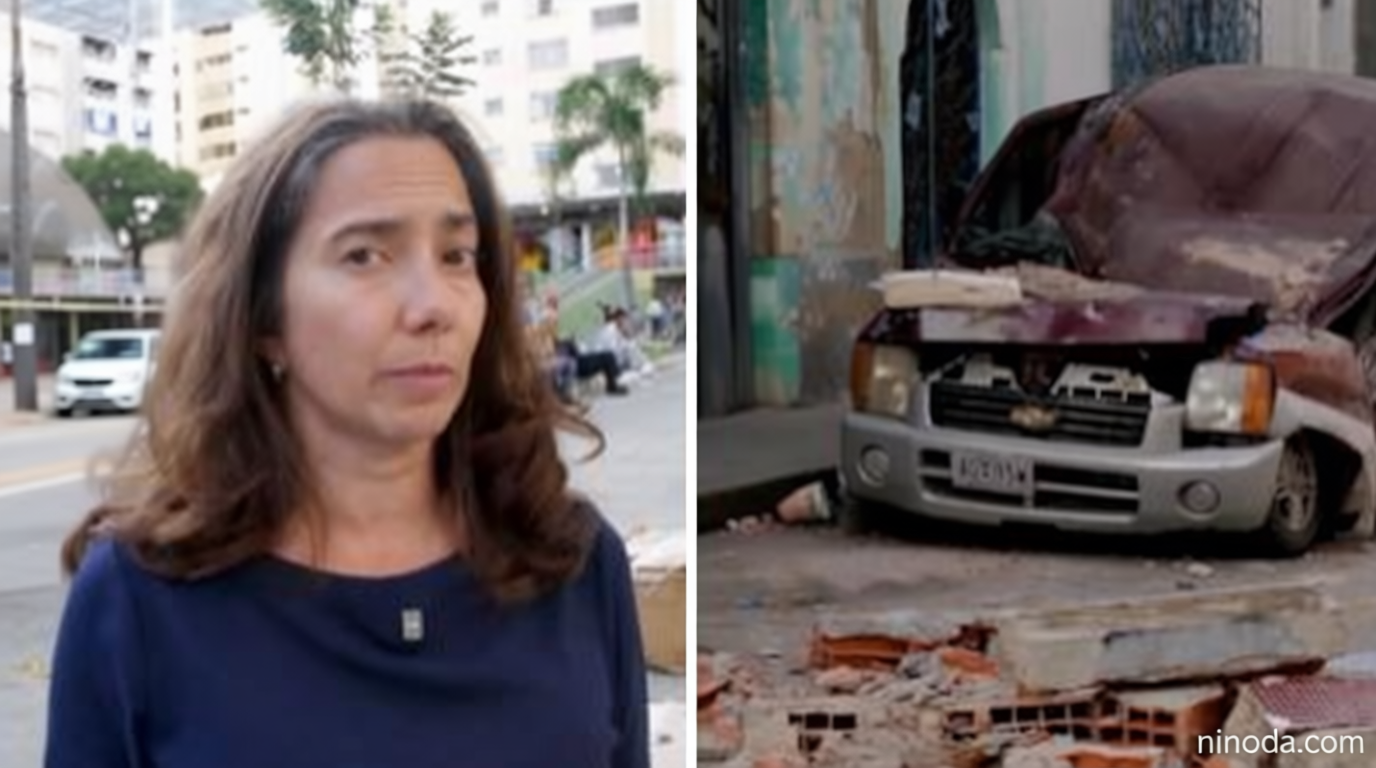
Table of Contents
Rescues and Prayers a Day After Venezuelan Earthquakes
Ninoda.com – One day after a series of powerful earthquakes devastated parts of Venezuela, the nation is grappling with the aftermath of the disaster as rescue teams work tirelessly to locate survivors and communities turn to faith for solace. The tremors, which struck on Wednesday evening, registered magnitudes of 7.2 and 7.5 on the Richter scale, causing widespread destruction in Caracas and surrounding regions. Buildings collapsed, roads cracked, and power outages plunged neighborhoods into darkness, leaving families in shock and desperation. As the sun rose over the capital, the focus shifted from immediate survival to the collective effort of rescuers and the spiritual vigils that began to fill the air with hope and resilience.
Devastation and the Search for Survivors
Health officials confirmed that at least 235 lives were lost in the earthquakes, with hundreds more injured and displaced. The disaster’s impact was felt most acutely in densely populated urban areas, where poorly constructed buildings crumbled under the force of the tremors. Rescue operations, led by the Venezuelan National Guard and volunteer groups, are still ongoing, with teams navigating through rubble-strewn streets to extract those trapped in the wreckage. Emergency shelters have been set up in schools and community centers, housing thousands of survivors who rely on donations of food, water, and blankets for basic sustenance. Despite the challenges, rescuers have reported finding dozens of people alive in the first 24 hours, a testament to the community’s determination to save as many as possible.
The magnitude of the disaster has sparked an outpouring of support from across the country. In Caracas, citizens have gathered in churches and homes to hold prayer vigils, believing that divine intervention may aid the search for missing persons. The Catholic Church, which played a central role in organizing these gatherings, has also provided logistical support to the relief efforts, coordinating donations and volunteer teams. Social media platforms have become vital tools for disseminating information, with live updates from rescuers and heart-wrenching videos of collapsed structures going viral. Meanwhile, local leaders and international partners are working to assess the damage and prioritize recovery efforts, highlighting the global attention the crisis has drawn.
Community Resilience and Faith in the Face of Crisis
As the dust settles, the resilience of Venezuelans in the wake of the earthquakes has become evident. In neighborhoods like San Felipe and El Libertador, residents have formed ad-hoc teams to assist in the search and rescue operations, using hand tools and even makeshift ladders to reach victims trapped in debris. The sense of solidarity has been reinforced by religious communities, with priests and congregants offering blessings and encouragement to those affected. “We are not alone in this,” said one local pastor, who described how prayer sessions have become a unifying force for the population. These gatherings, often held in open spaces or under makeshift tents, have not only provided emotional comfort but also fostered a shared commitment to rebuilding.
Rescues and prayers have become intertwined in the nation’s response, with families waiting anxiously for news of their loved ones. In some areas, search teams have used thermal imaging cameras and dogs trained to detect survivors, while others rely on traditional methods such as listening for cries or tapping on walls. The efforts have been bolstered by the quick mobilization of international aid, including medical teams and supplies from neighboring countries. Despite the logistical hurdles, the coordination between local and global actors has helped ensure that the most vulnerable are receiving urgent care. As the days pass, the focus remains on both the physical and emotional recovery of the affected communities.
Rescue operations continue to face challenges, particularly in areas where infrastructure has been severely damaged. The collapse of the San Felipe Cathedral, a historic landmark, has raised concerns about the safety of rescue workers and the preservation of cultural heritage. Local authorities have warned that the number of casualties could rise as the full extent of the damage becomes clearer. Meanwhile, the government has pledged to provide additional resources to support the recovery, although some critics argue that the response has been slow due to resource shortages. Nevertheless, the spirit of unity and determination among Venezuelans has not wavered, with citizens coming together to share resources and offer assistance to those in need.
Rescues and prayers have also highlighted the role of faith in times of crisis. In Caracas, churches have become makeshift command centers, with priests and volunteers helping to distribute supplies and coordinate efforts. The interfaith message has been a source of strength for many, as people turn to spirituality to cope with the trauma of losing homes and loved ones. As the search for survivors intensifies, these moments of collective prayer and action serve as a reminder of the human capacity to endure hardship. The nation’s leaders have emphasized the importance of solidarity, urging citizens to continue their efforts until every person is accounted for and the recovery process is underway.