Romania shuts only nuclear plant as heat causes huge drop in Danube River level

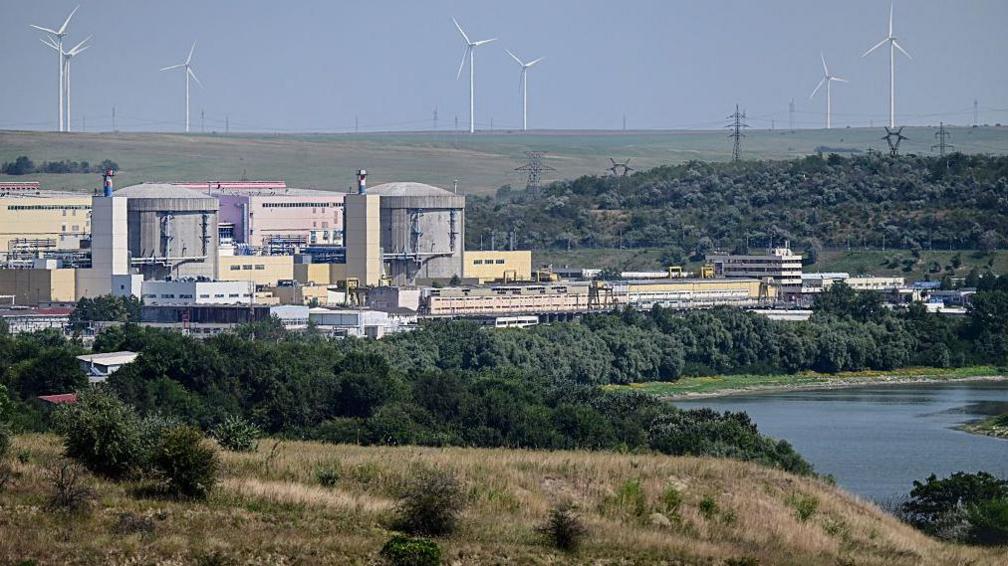
Table of Contents
Romania Shuts Only Nuclear Plant as Heat Drives Danube to Record Lows
Ninoda.com – Romania has shut down its only nuclear power station after extreme heat caused the Danube River to drop to its lowest levels in three decades. The second of two 706-megawatt reactors at Cernavodă was disconnected from the electricity grid just before midday on Thursday, marking a significant disruption for a facility that produces approximately 20% of the country’s electricity. Plant officials confirmed that Romania shuts only nuclear plant operations and do not expect a full restart within the next 10 days.
Why the Danube Shutdown Matters
The Cernavodă plant relies on the Danube for cooling its reactors. When water levels fell so dramatically that suction nozzles could no longer reach the river surface, operators had no choice but to disconnect the reactor. Earlier this week, authorities attempted to increase water flow by sinking barges loaded with rocks into the riverbed.
The first reactor at Cernavodă had already been shut down in July. This marks only the second time in the plant’s history that it has been completely offline—previously, it had only been shut down once before in 2003.
“We do not foresee a restart within the next 10 days,” plant director Romeo Urjan told the AFP news agency.
Power Supply and Regional Impact
During the shortfall, Romania is relying on solar and wind power during hot, windy daytimes. Traditional coal- and gas-powered generation will supplement supplies in the evenings, alongside imports from neighboring countries. The country’s substantial hydropower capacity has also been heavily reduced by the same low river levels that triggered the nuclear shutdown.
Neighboring Hungary has so far avoided a similar fate at its only nuclear plant in Paks, which also draws cooling water from the Danube. However, Hungarian Prime Minister Péter Magyar warned last month that the Soviet-era facility, which houses four nuclear reactors, could be forced to shut down entirely for the first time.
Climate Change and European Consequences
Climate change is driving temperatures upward across the continent, with Europe warming twice as fast as the global average according to the Copernicus climate service. This accelerated warming is causing increased summer heatwaves, greater pressure on water resources, and more intense wildfires.
The economic toll is mounting. Italy’s largest agricultural trade association, Coldiretti, estimated that climate-related damage from hail, drought, and wildfires could exceed €3 billion. France’s Environment Minister Monique Barbut warned that recent heatwaves could generate €10 billion to €15 billion in direct and indirect costs. The Dutch bank Triodos cautioned that extreme heat could wipe out much of the EU’s projected economic growth.
Widespread Effects Across Europe
The Rhine, another critical European waterway, is also experiencing low water levels that are severely limiting commercial traffic. Meanwhile, agricultural sectors across the continent have taken noticeable hits from the prolonged dry conditions.
In Greece, more than 200 people—mostly tourists—were evacuated on Friday from the popular resorts of Siviri and Fourka in the northern Halkidiki peninsula due to a raging wildfire. Greek firefighters have been deployed to prevent the fire from spreading further into residential areas.
France has placed as many as 80 departments on heatwave alert, with temperatures expected to exceed 40°C (104°F) in some locations on Friday. The country has already been devastated by fires in recent weeks, with blazes causing more damage this year than at any time since World War Two.
Spain, still recovering from recent deadly wildfires, recorded temperatures as high as 37°C in central areas on Thursday. The United Kingdom experienced its hottest day of the year so far, with the Met Office reporting a provisional recording of 38.1°C in London’s Kew Gardens. Multiple fires were burning across the West Midlands, with several people reported injured and four homes destroyed.
Rain is expected to arrive in more parts of the UK over the weekend, but the BBC climate and science team says it will take more than showers to bring the UK’s widespread drought to an end.
Frequently Asked Questions
How long will Romania’s nuclear plant remain shut down?
Plant officials have stated that a full restart is not expected within the next 10 days, though the exact duration depends on when Danube water levels recover sufficiently for the cooling system to function properly.
What percentage of Romania’s electricity does Cernavodă produce?
The Cernavodă plant, with its two reactors, produces approximately 20% of Romania’s total electricity supply.
Why were barges sunk in the Danube?
Authorities sank barges loaded with rocks into the river to increase water flow toward the plant’s suction nozzles, attempting to maintain adequate cooling for the nuclear reactors.
Is Hungary’s nuclear plant at risk of a similar shutdown?
While Hungary has so far avoided a shutdown at its Paks nuclear plant, Prime Minister Péter Magyar has warned that the facility could be forced to shut down entirely for the first time if conditions worsen.