Several flights diverted after plane blocks Gatwick runway

Runway Closure and Flight Diversion at Gatwick Airport
Ninoda.com – On Wednesday, several flights were diverted from Gatwick Airport following a technical incident involving a British Airways aircraft. The disruption began when a plane landed with an issue related to its landing gear, prompting emergency crews to assess the situation on the runway. This led to a temporary closure of the affected runway, causing delays and rerouting of flights for a short period. The incident highlights the critical role of runway safety in air travel and the immediate impact such events can have on passenger schedules and airline operations.
The Technical Issue and Its Immediate Impact
British Airways reported that the plane, which had landed safely, experienced a technical fault during its approach. This fault, though not severe enough to require an evacuation, necessitated a precautionary runway closure to ensure no further risks were posed to other aircraft. The closure lasted approximately 45 minutes, during which time flights were diverted to alternative airports, including Stansted and Luton. The disruption affected over 20 flights, causing delays of up to three hours for some passengers. The focus keyword “several flights diverted after plane” is central to understanding the scale of this incident.
“The runway was closed due to a technical issue with an aircraft, resulting in several flights being diverted,” said a spokesperson for London Gatwick. “We prioritized safety and took swift action to minimize the impact on our passengers and operations.”
Passenger Experiences and Logistical Challenges
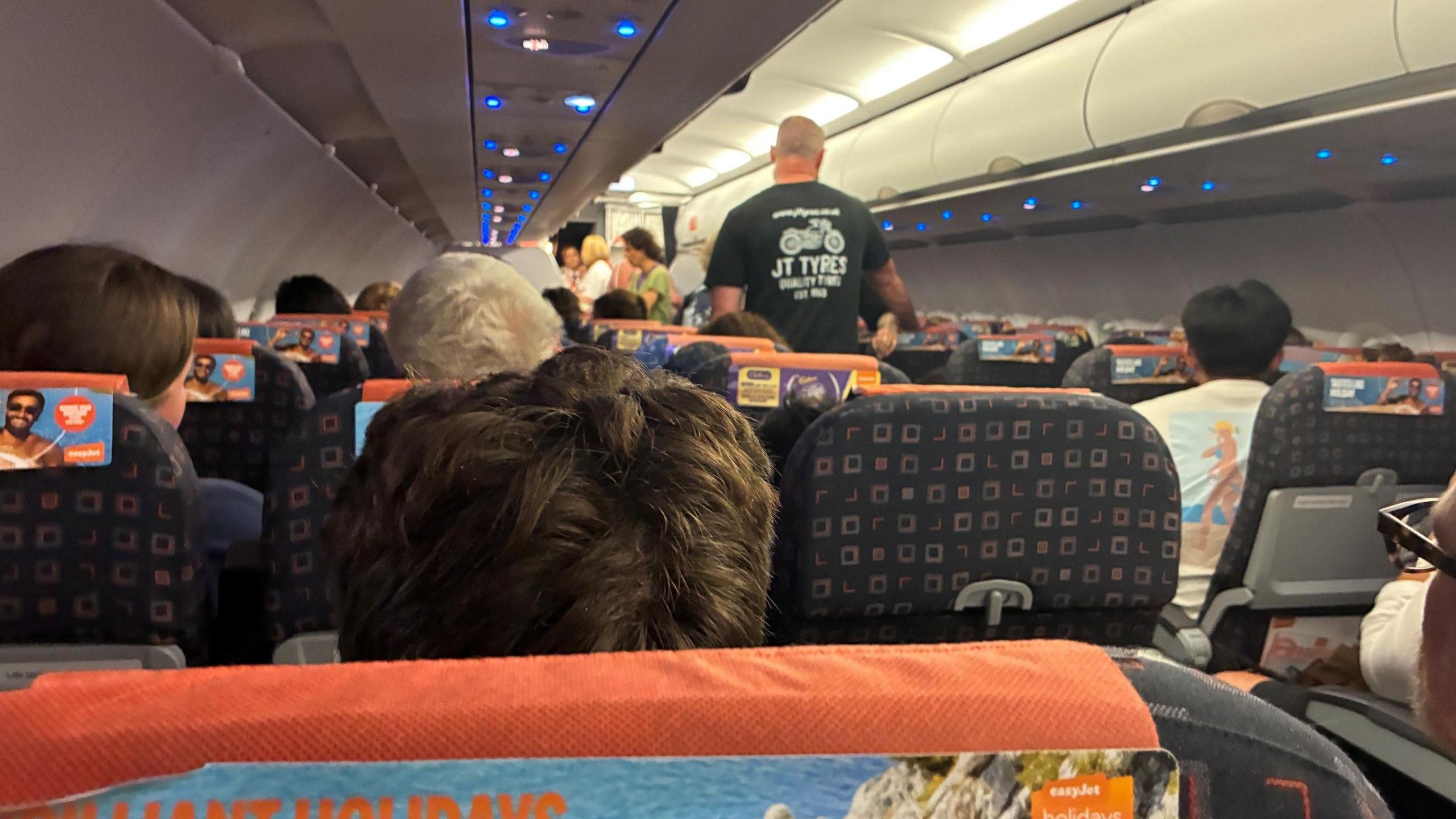
Passengers on the diverted flights faced significant challenges, particularly those who had to wait for over two hours at Stansted Airport before being able to proceed. Many expressed frustration over the unexpected delays and the difficulty of adjusting travel plans on short notice. The situation was compounded when one of the diverted planes could not refuel, forcing passengers to organize their own onward transportation. This highlights how the phrase “several flights diverted after plane” can ripple through the entire travel ecosystem, affecting not just the immediate flight but also connecting journeys.
“Passengers experienced extended wait times and had to rearrange their travel arrangements due to the diversion,” noted an EasyJet representative. “We are working closely with Gatwick to ensure such disruptions are minimized in the future.”
Compensation and Passenger Rights
Under UK passenger rights regulations, travelers may be entitled to compensation if their flights are delayed or cancelled due to airline or operational issues. In this case, several flights diverted after plane caused delays of more than two hours, which could qualify passengers for reimbursement based on the distance of their journey. For instance, flights under 1,500km may receive £220, while those over 3,500km could claim up to £520. However, the compensation process often depends on the airline’s ability to provide clear communication and timely updates to passengers.
“EasyJet apologised for the inconvenience caused by the diversion and delay in disembarking,” the airline said. “While we worked to make onward arrangements for customers, the aircraft was unable to refuel, so passengers disembarked at Stansted and were advised they would be reimbursed for their onward travel.”
Investigation and Operational Response
Following the incident, Gatwick Airport authorities launched an investigation into the cause of the technical fault and the efficiency of the runway closure procedures. The focus keyword “several flights diverted after plane” is directly tied to the sequence of events that unfolded, as the initial aircraft’s issue triggered a chain reaction across the airport’s operations. Emergency services and maintenance crews worked swiftly to inspect the runway and the stranded plane, ensuring that the situation was resolved without any further safety concerns. This prompt response helped to restore normal operations within a short time, though the disruptions remained a point of discussion for passengers and aviation experts.
Broader Implications for Air Travel
The incident at Gatwick Airport underscores the vulnerability of air travel to unexpected technical events. Even a single plane’s issue can lead to “several flights diverted after plane,” disrupting schedules and requiring quick adjustments by airlines and airports. Such events also emphasize the importance of robust contingency planning and communication strategies to keep passengers informed. Gatwick’s ability to manage the situation efficiently, despite the challenges, serves as a case study in how modern airports handle emergencies. However, the event also raises questions about the reliability of aircraft systems and the need for ongoing improvements in safety protocols.