Starmer hints at bank holiday if England win World Cup

Starmer hints at bank holiday if England win World Cup
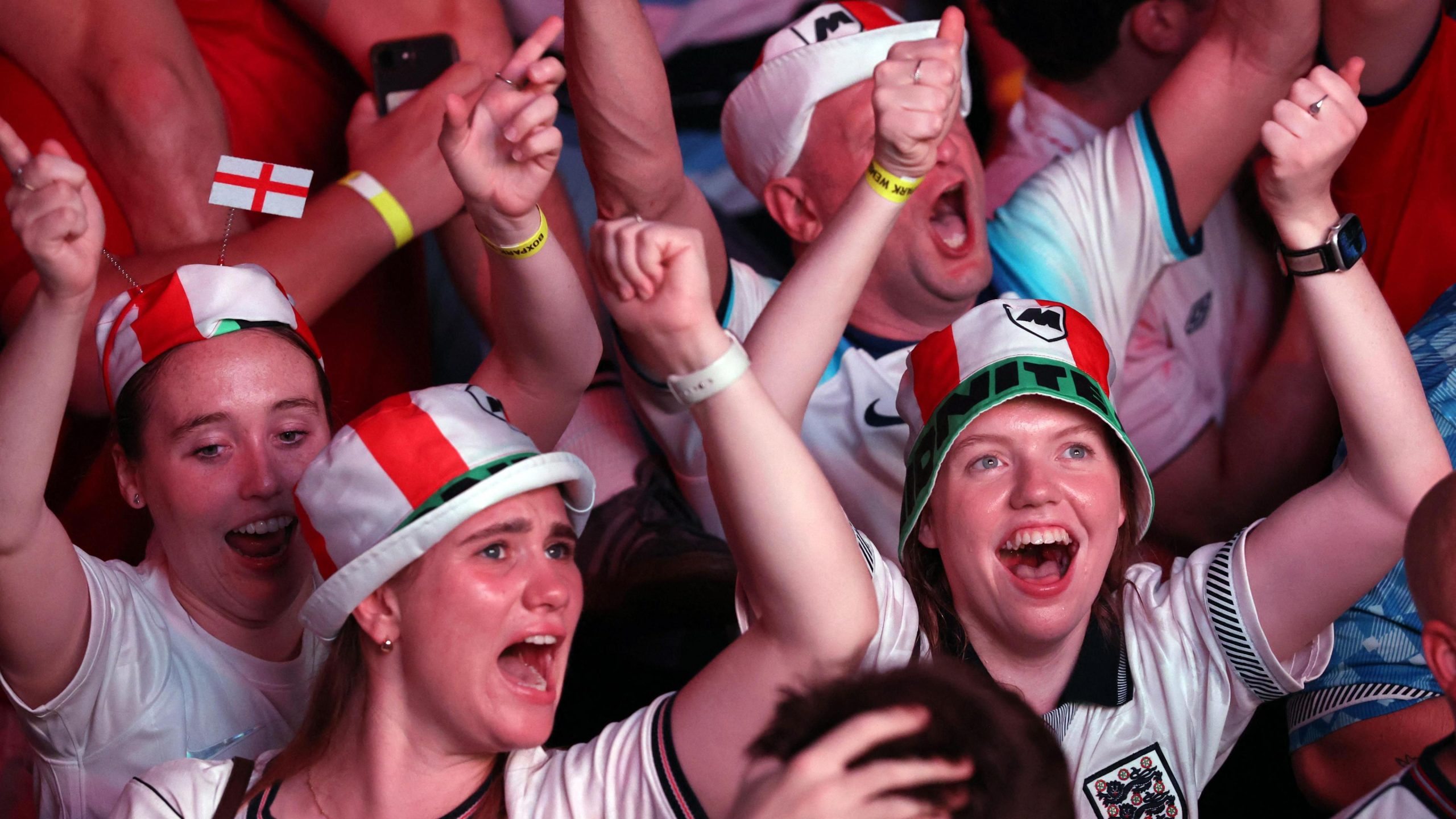
Ninoda.com – Prime Minister Sir Keir Starmer has sparked a wave of excitement across the United Kingdom by suggesting the possibility of an additional public holiday in England if the national football team secures a historic World Cup victory. The 2026 FIFA World Cup, which will be held in the United States, Canada, and Mexico, has captured global attention, and Starmer’s announcement has added a political dimension to the sporting event. With the final scheduled for 19 July, the prime minister emphasized that the team’s success could lead to a national celebration, potentially reshaping the country’s calendar and fostering a sense of unity among citizens.
The Road to the Final
As the World Cup progresses, the stakes for England have never been higher. The quarter-finals, set to take place on Saturday night, will see the team face off against Norway, a formidable opponent known for their resilience and tactical prowess. Starmer’s hint at a bank holiday underscores the importance of the tournament for the nation, as a victory would not only secure a place in the final but also solidify England’s position as a football powerhouse. The prime minister’s remarks come amid speculation about how the country might commemorate such an achievement, with the possibility of a special day off drawing comparisons to previous sporting triumphs like the 1966 World Cup.
Starmer’s potential resignation following the final has added an intriguing layer to the political narrative. If England reaches the final, the prime minister may delay the transition of power to his successor, Andy Burnham, to fully engage in the celebration. This strategic move highlights the symbolic weight of the World Cup, as it could become a pivotal moment for Starmer’s legacy. The idea of a bank holiday—officially declared as a public holiday—has been met with enthusiasm, with many citizens expressing hope that the nation would take time to honor the team’s efforts.
Historical Context and Public Sentiment
Bank holidays in England are typically reserved for major events such as royal celebrations, national holidays, or significant sporting victories. Starmer’s suggestion aligns with this tradition, aiming to capitalize on the collective pride that a World Cup win would generate. The historical rivalry between England and Norway in international football has been a topic of discussion, with Chris Sutton, a former footballer, noting the challenges England faces:
“Your boys took a hell of a beating.”
This sentiment reflects the high expectations placed on the team and the potential for a historic upset.
The proposal has also raised questions about the economic and logistical implications of adding an extra holiday. With the World Cup generating significant media coverage and tourism revenue, a public holiday could further boost the economy by encouraging citizens to take time off for celebrations. However, critics argue that such a decision might disrupt essential services or create a financial burden on businesses. Despite these concerns, the public’s overwhelming support for the idea suggests that the government may be inclined to prioritize national morale over economic considerations.
Political Motivations and National Unity
Starmer’s hint at a bank holiday is not just a gesture of goodwill but also a calculated political move. By tying the success of the football team to the country’s broader aspirations, the prime minister aims to strengthen his connection with the public and bolster his image as a leader who values collective achievement. The timing of the proposal, coinciding with the World Cup’s progression, is designed to capture the nation’s attention and highlight the importance of the tournament during a critical political period.
Public reaction to Starmer’s idea has been overwhelmingly positive, with social media platforms abuzz with discussions about the potential holiday. Fans and commentators alike are eager to see how the government might formalize this gesture, especially as the final approaches. The prime minister’s willingness to consider such an action demonstrates the deep emotional investment the nation has in its football team, underscoring the role of sports in shaping national identity and political discourse.
As England prepares for the quarter-finals, the possibility of a bank holiday remains a focal point for both fans and political analysts. The proposal serves as a reminder of how sports can transcend their athletic roots to become a catalyst for national celebration. Whether or not the team advances, Starmer’s statement has already ignited a sense of anticipation, with the potential to leave a lasting impact on the country’s cultural and political landscape.