
Struggling Pizza Hut chain to be sold for $2.7bn

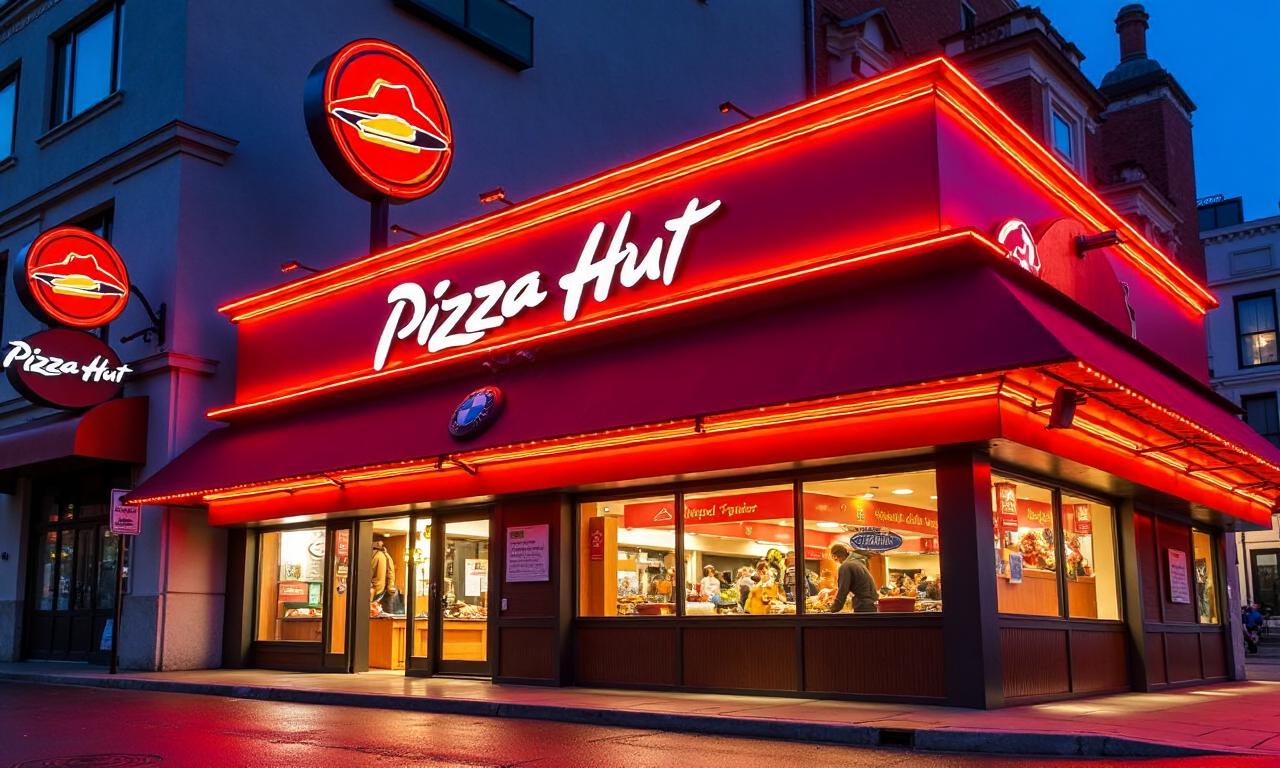
Struggling Pizza Hut Chain to Be Sold for $2.7bn
Ninoda.com – Yum! Brands has announced the sale of its Pizza Hut division for a total of $2.7 billion, marking a pivotal moment for the iconic American pizza chain. This strategic decision involves two separate acquisitions: LongRange Capital will purchase Pizza Hut’s international operations outside of mainland China for $1.5 billion, while Yum China Holdings will acquire the brand’s Chinese market segment for $1.2 billion. The move comes as part of Yum! Brands’ broader efforts to streamline its portfolio and refocus on its core brands, which include KFC and Taco Bell. By divesting Pizza Hut, the company aims to address financial pressures and enhance operational efficiency in a highly competitive food industry.
The Decline and Strategic Shift
The decision to sell Pizza Hut follows years of declining performance and mounting challenges in the U.S. market, which has historically been a major revenue hub for the brand. Since its initial announcement in November 2025, Yum! Brands has faced persistent difficulties in maintaining market share amid aggressive competition from rivals like Domino’s, Papa John’s, and Little Caesars. These competitors have capitalized on consumer demand for affordable options, even as inflation and shifting dining preferences have altered the landscape. Additionally, the rise of third-party delivery platforms such as Uber Eats and DoorDash has further disrupted Pizza Hut’s traditional model, forcing it to adapt or risk further decline.
The struggling Pizza Hut chain to be sold was once a global leader in casual dining, but recent years have seen its fortunes wane. According to industry analysts, Pizza Hut’s U.S. operations have lost significant ground to fast-casual and digital-first brands, which offer convenience and cost-effective solutions to customers. The brand’s decision to split its international assets reflects a broader trend among major food companies to restructure their portfolios, focusing on regions where they can achieve stronger growth and profitability. This approach also allows Yum! Brands to allocate resources more effectively to its other brands, which continue to thrive in different market segments.
Historical Context and Ownership Changes
Pizza Hut was founded in 1958 by two brothers in Wichita, Kansas, and quickly became a household name in the United States. However, its fortunes took a turn in 1977 when it was acquired by PepsiCo, which later spun it off into Yum! Brands in 1997 as part of a larger restructuring. Over the decades, Pizza Hut expanded its footprint globally, but recent challenges have forced the company to reevaluate its long-term strategy. The decision to sell the struggling Pizza Hut chain to be split into two parts follows a series of financial adjustments, including the purchase of UK operations in October 2025, which was prompted by the administration of DC London Pie. That acquisition initially led to the closure of 68 locations and the threat of over 1,200 job losses, though a rescue agreement saved 64 restaurants and stabilized operations.
Market Competition and Delivery Trends
One of the primary reasons for Pizza Hut’s decline is the intensifying competition from up-and-coming pizza chains that have leveraged digital innovation and aggressive pricing to capture market share. Brands like Domino’s and Papa John’s have successfully targeted budget-conscious consumers with lower prices and faster delivery options, even during periods of high inflation. This has created a shift in consumer behavior, with many opting for these alternatives over traditional brick-and-mortar pizza restaurants. Moreover, the dominance of third-party delivery platforms has further eroded Pizza Hut’s traditional dominance, as customers now have greater flexibility in choosing where to order their meals. These platforms have become a critical component of the pizza industry, reshaping how brands like Pizza Hut engage with their audience.
The sale of the struggling Pizza Hut chain to be sold is also part of Yum! Brands’ effort to reduce debt and improve its financial standing. The $2.7 billion deal is expected to finalize in the third quarter of 2026, pending regulatory approvals. Analysts suggest that this transaction could provide a fresh start for Pizza Hut, allowing it to rebrand, innovate, and regain its footing in key markets. While the split may mean different management strategies for the international and Chinese operations, it offers the potential for tailored approaches that could address specific regional challenges. This reorganization underscores the importance of adaptability in a rapidly evolving food industry, where brand identity and consumer trends play a crucial role in long-term success.