
The ‘fiddly and frustrating’ work removing 10,000 coins from Giant’s Causeway columns

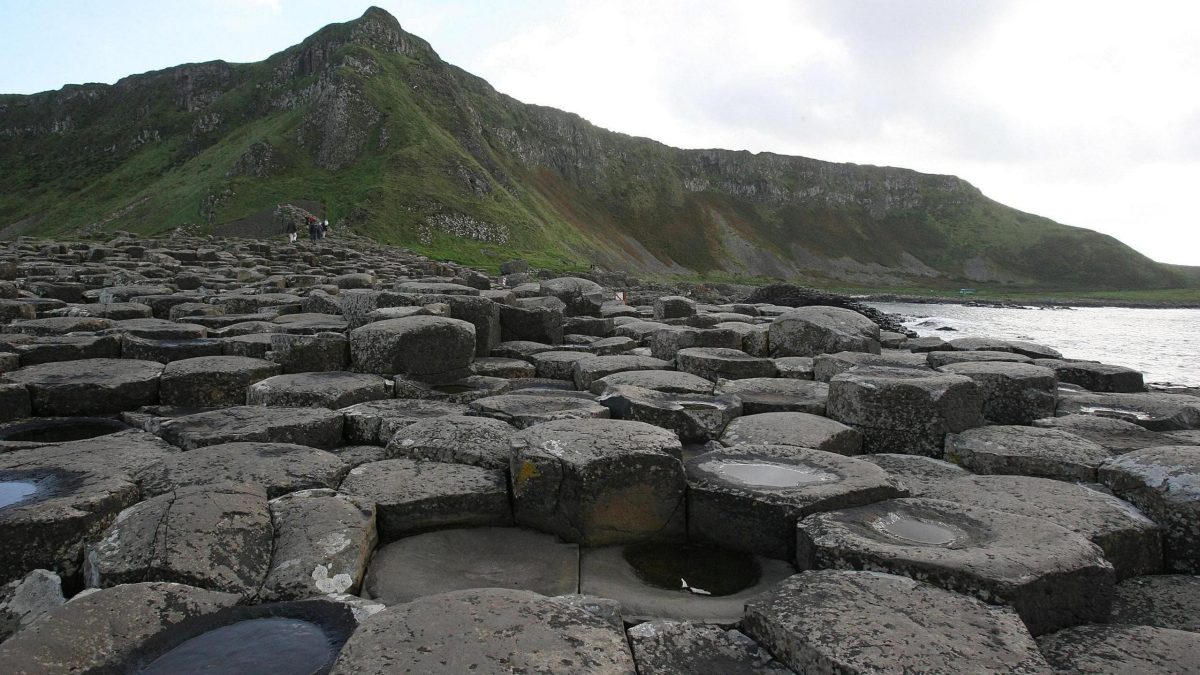
Table of Contents
Over 20kg of Coins Extracted from Giant’s Causeway’s Basalt Pillars
Ninoda.com – Conservation teams have completed a painstaking operation to pull more than 20kg (44.1 lb) of coins — roughly the equivalent of 10,000 individual pieces — from between the interlocking basalt columns of Northern Ireland’s Giant’s Causeway. The removal effort, which began in May of last year, was prompted by growing alarm that the accumulated metal was inflicting both physical and chemical harm on the World Heritage Site’s rock formations.
Dr Cliff Henry, nature engagement officer at the National Trust, described the relief felt once the project concluded.
“It is a relief, the coins were doing a significant amount of damage.”
He explained to BBC Radio Foyle’s North West Today programme that the corroded metal had been expanding within the gaps, exerting upward pressure on the entire column of stone above each insertion point.
“These coins were rusting and expanding and were capable of pressing the whole column of rock above them, pushing them up.”
The Removal Process
Specialist stonemason Nathan Morrow was recruited to carry out the extraction work. Dr Henry characterised the task as simultaneously satisfying and exasperating.
“He found it satisfying but frustrating at the same time. It was fiddly work, and frustrating work.”
According to Dr Henry, coins lodged near the rock’s edge could be gripped with pliers and drawn free, while those driven deeper required a grouting tool. Some pieces resisted for upwards of 20 minutes before finally working loose, whereas others “popped out very quickly.” Visitors had previously used smaller stones to hammer coins into the gaps, making extraction considerably harder.
“Some coins were quite well stuck. He found if he got them to move at all, if he worked them forward and back, eventually he would be able to get them out.”
Why the Coins Were Removed
The tradition of wedging coins into the causeway — reportedly done for luck or as a romantic gesture — dates back several years but escalated sharply over the past decade. A prior report from the Geological Survey of Northern Ireland had advised that the metal’s physical and chemical effects on the rock warranted removal. Dr Henry noted the visual and structural toll:
“All that rust, that staining, was coming down the front of the columns. It looked terrible and it was causing physical damage to the causeway. We are very glad to get them all out.”
Prevention and Future Plans
New signage now stands at the site urging visitors to leave the columns untouched. The same appeal is being amplified through the National Trust’s social media channels.
“Please don’t put these coins in, if you want to do something with your coin stick it in the charity box and we can use that money for good purposes.”
The Trust is also exploring the possibility of assembling the recovered coins into an exhibition piece designed to raise public awareness of how such small acts of vandalism accumulate into lasting structural harm.
Geology and Legend
Located in County Antrim, the Giant’s Causeway comprises some 40,000 massive black basalt columns jutting from the sea. They were formed when intense volcanic activity forced molten rock up through fractures in the earth’s crust; the lava then cooled, contracted, and fractured into the distinctive columnar pattern visible today.
Local folklore attributes the formation to Finn McCool (Fionn mac Cumhaill in Irish), a giant said to have built the causeway as a bridge to Scotland so he could confront a rival giant who had been taunting him. A separate legend holds that during another bout, Finn hurled a clump of earth that missed its mark, splashed into the sea, and became what is now recognised as the Isle of Man.
Related Reading
Frequently Asked Questions
What is The fiddly and frustrating work removing 10?
The fiddly and frustrating work removing 10 is the main topic of this guide. The article explains the context, practical details, and next steps readers should understand.
Why does The fiddly and frustrating work removing 10 matter?
The fiddly and frustrating work removing 10 matters because readers are looking for a useful answer, not just a short summary. Good content should match search intent and help them decide what to do next.