Trump inserts himself into the centre of America’s 250th birthday celebrations

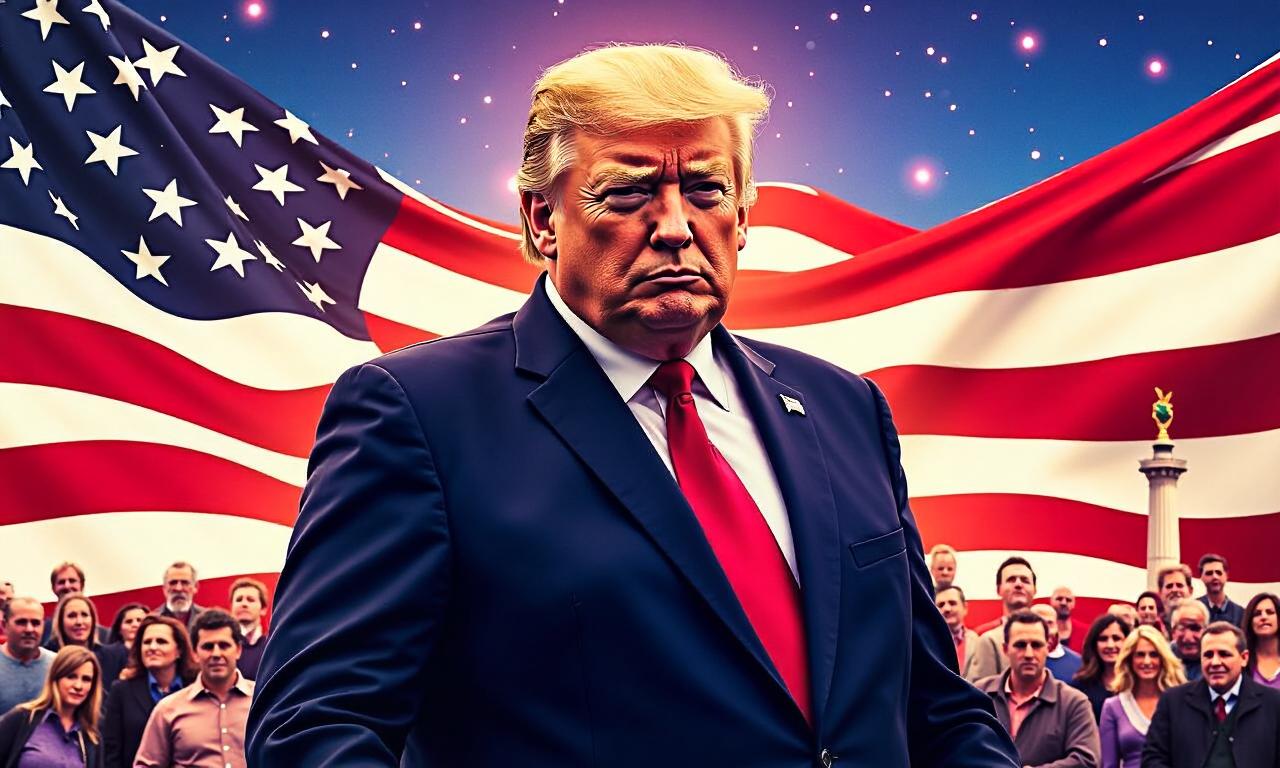
Trump Asserts Dominance Over America’s 250th Birthday Celebrations
A Shift in National Celebrations
Ninoda.com – As the United States marks its 250th anniversary of independence, President Donald Trump has taken a distinctive approach to shaping the festivities. His administration has increasingly sought to center the event around his personal brand, sidelining traditional organizers in favor of initiatives that highlight his political and cultural influence. This strategy reflects a broader effort to intertwine his legacy with the nation’s historic milestones, even as critics question the motives behind his involvement.
“I don’t want so-called ‘artists’ that get paid far too much money, who aren’t happy,” the president wrote on Truth Social. “I only want to be surrounded by happy people, smart people, successful people and people that know how to win.”
The president’s decision to distance himself from the musical acts involved in the 250th-anniversary concert series has sparked debate. A growing number of performers have either withdrawn or never agreed to participate, leaving Trump to champion alternative forms of celebration. His remarks on social media suggest a preference for figures who align with his vision of national pride and success, rather than those who might critique his policies or focus on artistic expression.
State Fair as a New National Symbol
In a move that underscores his campaign for prominence, Trump directed his representatives to restructure the upcoming Independence Day events. A 16-day “Great American State Fair” planned for the National Mall in Washington DC has become a focal point of his efforts. The fair, which will feature patriotic displays and large-scale public activities, aims to replace the traditional musical programs with a more politically charged celebration. While the exact details of the event remain fluid, Trump has publicly framed it as a platform to showcase his administration’s achievements.
Historically, the US Congress established the “America 250” commission to oversee the anniversary festivities a decade ago. However, Trump-backed groups have formed a rival committee, the “Freedom 250” initiative, to host their own events. This parallel effort has created a split in the way the nation commemorates its founding, with Trump’s vision emphasizing political unity and nationalistic fervor.
Renovations and Public Image
Trump’s focus on the 250th anniversary extends beyond events to the physical transformation of Washington DC. The city has undergone extensive beautification projects in anticipation of the month-long celebrations. Fountains in Sheridan Circle, Meridian Park, and Columbus Circle have been restored, while Lafayette Park, located across from the White House, is temporarily closed for major renovations.
Workers are resurfacing the reflecting pool that connects the Lincoln Memorial and the Washington Monument, though concerns over funding and construction methods have been raised. Additionally, four bronze horse statues near Memorial Bridge are set to be adorned with 23.75 karat gold leaf. Streets in downtown Washington have been repaved, and lamp posts have been repainted, all under the banner of “preparing the capital for its historic moment.”
These efforts have drawn comparisons to a municipal official’s work. During a Cabinet meeting last week, Trump spent over 20 minutes detailing the renovations, a rare display of his attention to infrastructure. “I love construction,” he said, echoing his career as a real-estate developer. “DC is looking beautiful.” Such remarks have reinforced perceptions of his hands-on approach to national symbolism, even as they diverge from the more subdued tone of the official America 250 commission.
Commemorative Currency and Cultural Impact
The celebrations have also influenced the nation’s financial institutions. In March, the US Treasury approved a commemorative gold coin featuring Trump standing at a desk, symbolizing his presence in American history. Last week, Treasury Secretary Scott Bessent confirmed plans for a special $250 bill with the president’s likeness, though this would require congressional approval.
Democrats have criticized these moves as self-aggrandizing. Congressman Hakeem Jeffries, the House Democratic leader, tweeted: “The upcoming July 4th anniversary is not about a wannabe king. It is about celebrating the American journey.” Trump’s allies dismiss such criticism as anti-patriotic, arguing that the events are a natural extension of his leadership role.
Independence Day and Broader National Events
Trump’s integration into the 250th-anniversary celebrations is part of a larger pattern of aligning himself with major national events since returning to office in January 2025. The president has frequently highlighted how his four-year break from the White House allows him to “redefine” the narrative of key moments, such as this year’s World Cup, the 2028 Summer Olympics in Los Angeles, and the 250th birthday of the United States.
His administration has worked to link these events to his personal brand, creating a sense of continuity between his political career and national history. For example, a UFC fight at the White House has been scheduled as part of the festivities, with Trump’s name prominently featured in promotional materials. Similarly, a physical fitness competition in Orlando, Florida, and an August Grand Prix race through Washington’s streets have been incorporated into the broader celebration, each designed to reflect his emphasis on strength and national pride.
A Struggle for Cultural Narrative
While the America 250 commission has focused on smaller-scale events like art exhibits and “block parties,” Trump’s “Freedom 250” initiative has taken a more expansive approach. The latest addition to the list is what the president calls the “world’s largest fireworks display” on the Fourth of July, a spectacle intended to outshine traditional celebrations.
Recent developments suggest a growing competition between the two factions. The US Commission of Fine Arts recently approved the construction of a 250-foot triumphal arch across the Potomac River from the Lincoln Memorial, though legal challenges and further approvals remain pending. This project, combined with the state fair and other events, signals a shift in how the nation’s history is being commemorated.
Despite the controversies, Trump’s approach has been met with enthusiasm from some of his supporters. They see the events as a testament to his ability to create iconic moments, even as others argue that the focus on personal branding risks overshadowing the historical significance of the anniversary. Whether or not the public perceives the celebrations as a triumph of American unity or a spectacle of presidential ego, the events are certain to leave a lasting impression on the nation’s cultural landscape.
As the 250th birthday approaches, the interplay between Trump’s initiatives and the official celebrations will continue to shape the national dialogue. The president’s determination to assert his presence in these milestones highlights a strategic effort to redefine the narrative of American history during his second term. This campaign, while unique in its execution, echoes the broader theme of leadership and legacy that has defined his political career.
From the restoration of monuments to the creation of new symbols, Trump’s involvement in the anniversary celebrations represents a multifaceted attempt to align his persona with the nation’s founding ideals. Whether through infrastructure projects, commemorative currency, or high-profile events, the president has made it clear that he views this occasion as an opportunity to reinforce his vision of America. As the festivities unfold, the question remains: will they be seen as a celebration of national identity, or as a personal tribute to a leader who seeks to command the spotlight at every turn?