
US murderer Christa Pike discharged from hospital 10 days after failed execution

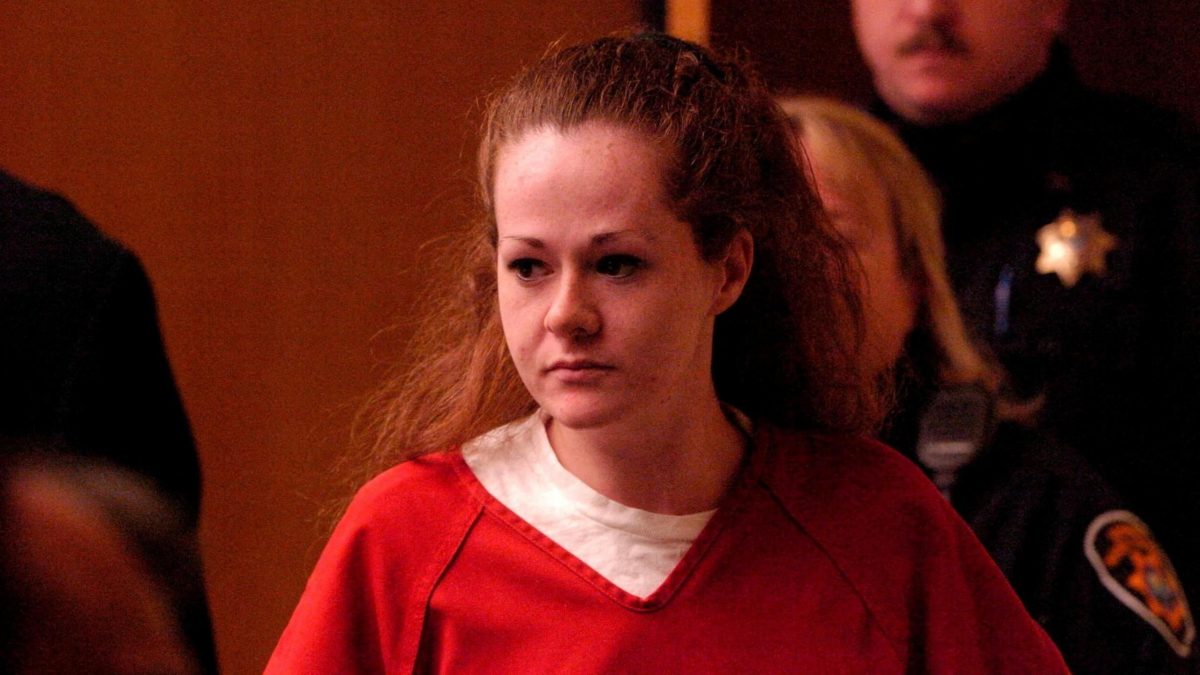
Table of Contents
Christa Pike Returns to Prison After Surviving Failed Lethal Injection
Ninoda.com – Christa Pike has been released from hospital and taken back to the Tennessee prison where she has spent three decades on death row, following an execution attempt that left her critically ill and created an unprecedented legal and medical situation.
The 50-year-old was discharged on Saturday, her lawyers said, and remains under medical supervision inside the prison. Her recovery follows the failed use of lethal injection on 30 September, when she received two doses of pentobarbital but did not die.
Pike later lost consciousness and was transported to a nearby hospital. In the days that followed, members of her legal team feared she had suffered catastrophic brain damage and believed life support might soon be withdrawn. Instead, she regained consciousness this week and began to speak.
“She is grateful to the first responders and her medical team for their care in these extraordinary circumstances,”
her lawyers said in a statement after her release from hospital.
An Unresolved Question Over a Second Execution Attempt
Pike’s survival has placed Tennessee in unfamiliar territory. She is believed to be the only person known to have lived through an execution attempt involving lethal injection, raising difficult questions about what the state may do next and what rights she may have after the procedure failed.
At a court hearing on Wednesday, Tennessee Assistant Attorney General Will Ayers told the judge that he did not know whether officials intended to seek another execution date. No decision on that issue was announced during the hearing.
The judge instructed Tennessee authorities to preserve every piece of evidence connected to the injections. That material could become important if Pike pursues a legal challenge against the state over the failed execution process.
The case now involves more than the original death sentence. It also concerns the handling of the drugs, Pike’s condition after the injections and the medical response that followed. Any future legal action could examine those events in detail.
Recovery After Critical Illness
Pike began talking again on Tuesday. Her lawyer, Randy Spivey, said her first questions after waking were:
“Where am I?”
and
“Who are you?”
At a news conference the following day, her lawyers described serious medical difficulties. Pike was shackled to her hospital bed, had pneumonia and significant swelling in her arms, and could not swallow. They said her physical recovery was likely to take time.
Spivey said the emotional consequences were also uncertain. Pike had emerged from the experience feeling disoriented and upset.
“We don’t know the toll all of this will take”
on her mental health, he said, adding that she was “angry and confused”.
Details of her treatment inside prison have not been made public. Her lawyers have previously said that she faces a long recovery, and her return to custody does not mean her medical needs have ended. She continues to receive care at the facility.
The Crime That Led to the Death Sentence
Pike was 18 when she, along with her then-boyfriend Tadaryl Shipp, killed 19-year-old Colleen Slemmer. The three had met at a job-training camp serving young people from low-income backgrounds.
Slemmer was beaten, tortured and killed by Pike and Shipp. The murder led to Pike receiving a death sentence, and she has remained imprisoned for about 30 years.
The severity of the crime remains central to the case, but the recent events have shifted attention toward the state’s execution procedure and Pike’s survival. Her medical condition after the injections has become a major factor in determining what happens next.
Why the Case Matters
Lethal injection is intended to carry out a death sentence through a controlled medical process, yet Pike’s case demonstrates how an execution can result in a prolonged emergency rather than the planned outcome. The two pentobarbital injections left her in critical condition, but she eventually recovered consciousness.
The preservation order issued by the judge means that records, materials and other evidence from 30 September must be retained. That may allow courts to review the sequence of events if Pike’s attorneys file a lawsuit or if Tennessee decides to pursue another attempt at execution.
For now, the central questions remain unanswered: whether Pike’s health will continue to improve, what lasting effects she may experience, and whether Tennessee will seek to execute her again. Her case has entered territory with no clear modern precedent, while she receives treatment back at the prison that has been her home for much of her adult life.
Related Reading
Frequently Asked Questions
What is US murderer Christa Pike discharged?
US murderer Christa Pike discharged is the main topic of this guide. The article explains the context, practical details, and next steps readers should understand.
Why does US murderer Christa Pike discharged matter?
US murderer Christa Pike discharged matters because readers are looking for a useful answer, not just a short summary. Good content should match search intent and help them decide what to do next.