US signs landmark nuclear deal with Saudi Arabia

US Signs Landmark Nuclear Deal with Saudi Arabia
Ninoda.com – The United States and Saudi Arabia have officially concluded negotiations on a significant agreement that opens pathways for the Gulf nation to expand its civilian nuclear capabilities. This historic arrangement, which marks a pivotal moment in Middle Eastern energy policy, will grant American businesses substantial opportunities within Saudi Arabia’s growing nuclear energy sector. According to the US Department of Energy, this “peaceful nuclear co-operation agreement” represents one of the most significant diplomatic achievements of the current administration.
While the complete text remains undisclosed, various American news outlets indicate the arrangement might permit Riyadh to enrich uranium domestically. This process serves dual purposes: generating electricity through power stations and potentially creating materials for nuclear weaponry. Analysts warn this represents unprecedented ground for Washington and could introduce proliferation challenges in an already volatile part of the world.
Key Components of the Agreement
“Together, these two agreements lay the legal foundation for a decades-long, multi-billion-dollar partnership that advances several priority economic and strategic objectives, including nuclear nonproliferation,” the energy department stated.
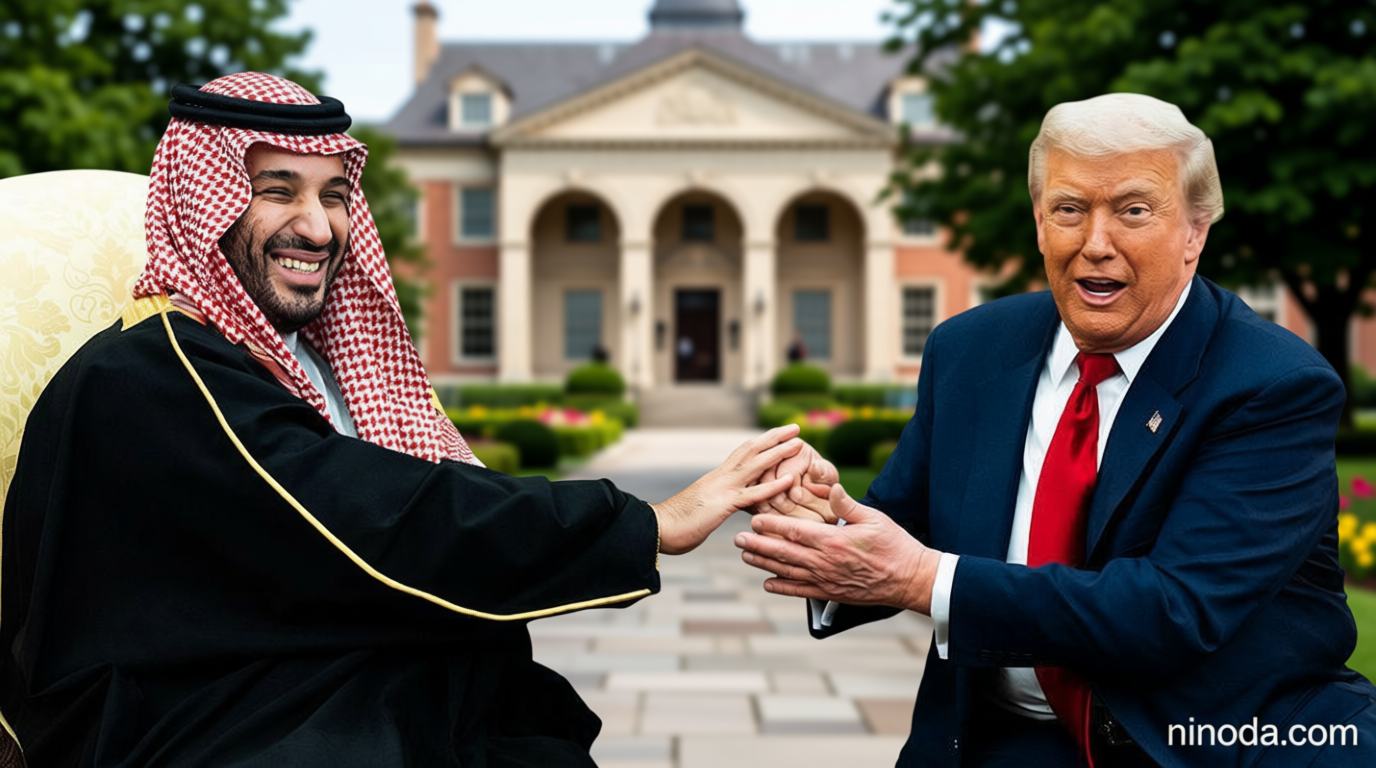
Alongside the primary cooperation framework, officials confirmed that a “bilateral safeguards agreement” was simultaneously executed. The Saudi government issued its own declaration characterizing the arrangement as a continuation of pre-existing energy collaboration between the two nations, noting it follows the Saudi monarch’s visit to Washington in November of last year.
Notably, President Donald Trump reportedly chose not to mandate that Mohammed bin Salman extend formal diplomatic recognition to Israel as part of this arrangement. The timing proves significant given escalating tensions between Washington and Tehran. As a longstanding American partner, Saudi Arabia maintains multiple military installations that have faced Iranian strikes. Additionally, just forty-eight hours prior, Houthi forces—backed by Iran in Yemen—proclaimed a maritime blockade targeting the kingdom.
Although comprehensive specifics remain limited, preliminary reports suggest Riyadh might conduct uranium enrichment domestically at a facility constructed by American entities, reducing dependence on foreign fuel supplies. This development could generate billions for US corporations involved in constructing enrichment infrastructure capable of producing material for both power generation and weapons applications.
“Rest assured, these agreements uphold the highest standards of nuclear safety and nonproliferation, while relying on the world’s best nuclear technology and scientists, designed right here in the United States,” US Secretary of Energy Chris Wright declared.
Israeli nuclear specialists and former government officials expressed apprehension that the arrangement might eventually enable Saudi Arabia to develop atomic capabilities. Nevertheless, numerous analysts maintain such a trajectory would require many years and likely encounter substantial international resistance.
Rosemary Kelanic, who directs the Middle East programme at the Defense Priorities think tank, characterized the possibility as “quite shocking.” She emphasized that Washington has never previously assisted another nation in enriching uranium on its own territory, explaining that domestic fuel production significantly increases proliferation risks.
The agreement now proceeds to congressional examination. Lawmakers across party lines are anticipated to voice opposition, despite Republican control of both legislative chambers under Trump’s administration. Secretary of State Marco Rubio actively countered skeptical voices regarding potential future Saudi nuclear ambitions.
“The US is not going to reach any agreement with any country in the world that leads to the risk of proliferation,” Rubio informed journalists during his travels through the Philippines.
Several Democratic critics highlighted that Rubio, during his senatorial tenure, supported legislation known as the “No Nuclear Weapons for Saudi Arabia Act,” which mandated congressional approval before any nuclear arrangement with Riyadh could proceed. This legislative history adds complexity to the current negotiations as lawmakers weigh the strategic benefits against potential security concerns.