Venezuela signs deal with US energy giant to rebuild power grid

Venezuela signs deal with US energy giant to rebuild power grid
Ninoda.com – Venezuela has entered into a significant agreement with General Electric Vernova, a major US energy company, to revitalize its ailing electricity infrastructure. This collaboration, announced by the country’s acting president, Delcy Rodríguez, during a televised address from the presidential palace, signals a strategic shift toward attracting foreign investment to address long-standing energy challenges. The deal, which positions Venezuela to benefit from US expertise, comes as the interim administration seeks to stabilize the economy and restore essential services after years of crisis. Rodríguez, who assumed leadership following the detention of President Nicolás Maduro in January, has emphasized economic reforms as a key priority, with this partnership seen as a crucial step in that direction.
Historic step for energy recovery
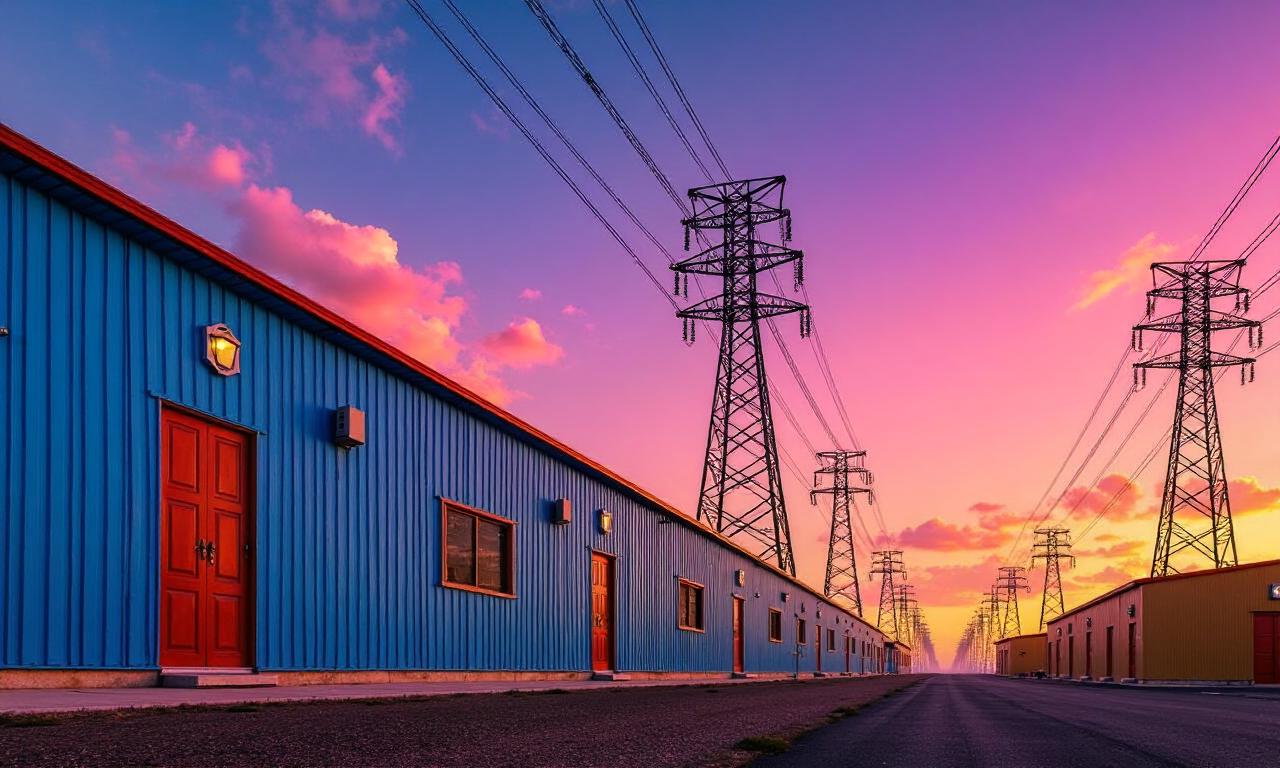
Ro Rodríguez described the deal as a “historic step for Venezuela,” underscoring its potential to alleviate the country’s persistent electricity shortages. Power cuts have plagued major cities like Caracas for over a decade, with frequent outages exceeding 10 hours and disrupting daily life, industry, and public services. The power grid, nationalized in 2007 under the late Hugo Chávez, has deteriorated due to years of underinvestment and mismanagement. This new agreement aims to modernize the system, which is critical for Venezuela’s recovery, as reliable electricity is a cornerstone for economic growth and social stability.
“This is a historic step for Venezuela,” Rodríguez said, highlighting the agreement’s role in addressing the nation’s energy shortfall.
The partnership with General Electric Vernova, a subsidiary of the US energy giant General Electric, is part of a broader effort to revitalize Venezuela’s energy sector. Under the deal, the company will provide technical support, equipment, and training to overhaul the grid. The project is led by Energy Minister Rolando Alcalá, a former electrical engineer appointed by Rodríguez three months ago. His appointment marks a departure from the military-backed administration that previously managed the ministry for six years, reflecting the interim government’s commitment to reform and efficiency.
International collaboration and political context
The collaboration between Rodríguez’s administration and the Trump-era US government highlights a renewed diplomatic approach. This deal, announced amid improved relations, follows actions such as a joint military strike against the Tren de Aragua criminal group, which was conducted with the support of Venezuelan security forces. The US has shown interest in bolstering Venezuela’s energy infrastructure, viewing it as a means to stabilize the economy and align with international goals. However, the deal’s success will depend on the country’s ability to maintain political momentum and demonstrate a commitment to transparent governance.
“Ultimately, the answer in Venezuela is a free and fair democratic election because it’s not just the right thing—it’s also necessary for them to attract the kind of investment they want,” stated US Secretary of State Marco Rubio.
Rubio’s comments reflect concerns that Venezuela’s energy revival is contingent on political reforms. While the deal with General Electric is a tangible step, critics argue that deeper changes are needed to ensure sustained investment. The US has been a key player in Venezuela’s energy sector, and this partnership builds on its efforts to support infrastructure development and reduce reliance on domestic resources. The success of this collaboration could serve as a model for future international partnerships, provided Venezuela continues to prioritize economic liberalization and institutional accountability.
Challenges ahead for Venezuela
Despite the optimism surrounding the deal, Venezuela faces substantial challenges in executing the power grid restoration. The country’s energy sector has been plagued by mismanagement, corruption, and declining oil production, which has worsened the crisis. While General Electric Vernova brings advanced technology and expertise, the project will require significant funding, logistical coordination, and long-term planning. Experts warn that the initial steps are critical, but ongoing support and political stability will be essential to see the project through. The interim government must also address broader economic issues, such as hyperinflation and debt, to create an environment conducive to energy recovery.
“The collaboration between Rodríguez’s administration and the Trump-era US government is a positive development, but it’s only the beginning,” noted an energy analyst. “