Viral squeaky frog now at risk of extinction

Viral squeaky frog now at risk of extinction
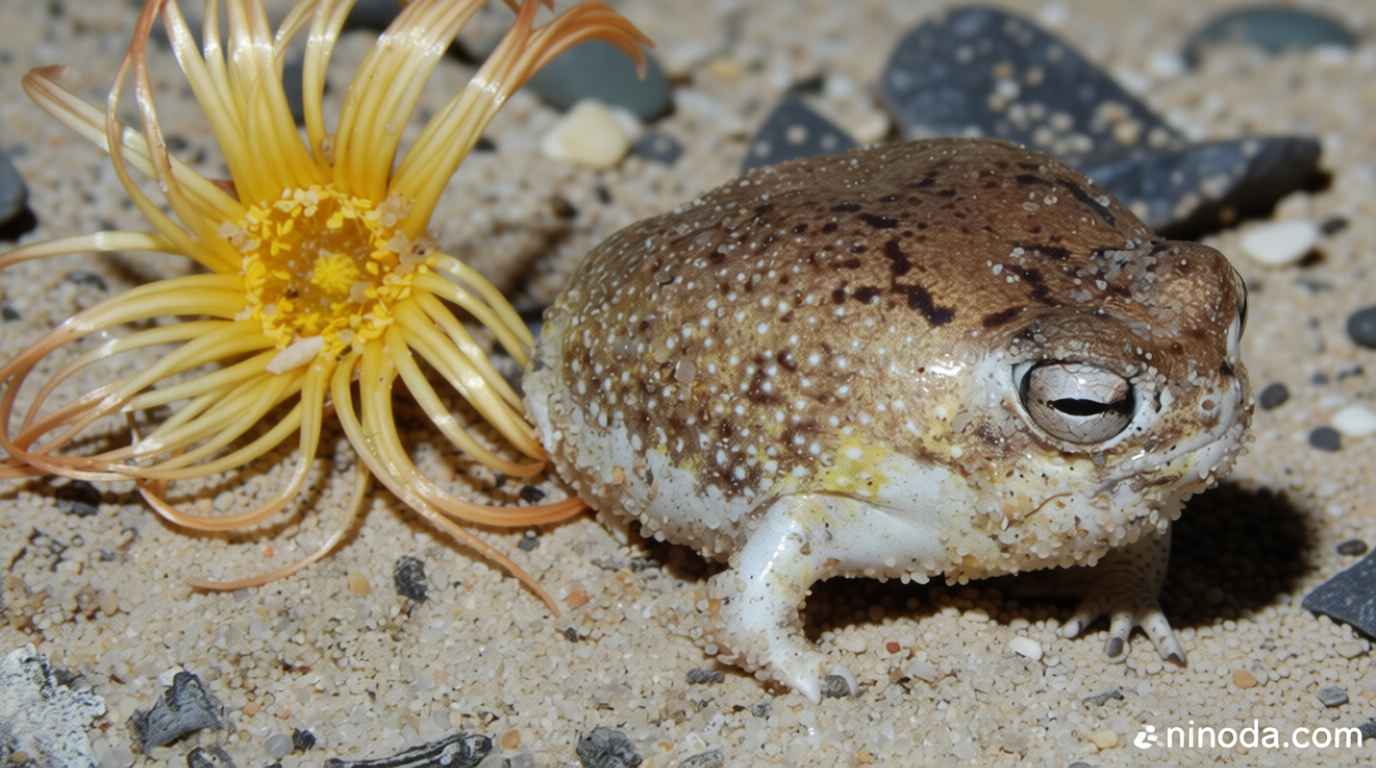
Ninoda.com – The viral squeaky frog, a species that captured global attention for its unique vocalizations, is now facing a critical threat to its survival. Scientifically known as Breviceps macrops, this remarkable amphibian inhabits a narrow coastal strip of sand dunes in Namibia and South Africa. Its specialized environment, limited to a mere six-mile-wide region, is essential for its life cycle, as the frog spends most of its time underground, only emerging to feed and breathe. The growing awareness of its distinctive calls has led to increased interest, but this same popularity may now be accelerating its decline.
“Frogs that are so unique in appearance can become victims of their own fame,” said Benjamin Tapley, a specialist at the Zoological Society of London. He explained how the viral squeaky frog’s charm has inadvertently driven demand from pet traders and wildlife enthusiasts, putting pressure on its already fragile population. As more people seek to own the species, the risk of overharvesting and habitat disruption grows.
Experts are now raising alarms about the environmental challenges threatening the viral squeaky frog. Human activities, including diamond mining and energy infrastructure projects, are encroaching on its habitat, leading to fragmentation and degradation. Studies project that its numbers could decline by 20% within the next two decades, a significant threat for a species with such a limited range. The viral squeaky frog’s dependence on this specific ecosystem means any alteration could have severe consequences, as it has no alternative habitats to retreat to.
Global extinction crisis: The viral squeaky frog as a symbol of vulnerability
According to the latest report from the International Union for Conservation of Nature (IUCN), over 49,505 species worldwide are now at risk of extinction, highlighting an alarming trend in biodiversity loss. The viral squeaky frog, once a niche curiosity, is now one of the latest additions to this growing list. This classification underscores the urgent need for conservation action, particularly for species like the frog that thrive in extreme and specialized conditions. Its inclusion in the IUCN Red List serves as a stark reminder of how even relatively well-known species can slip into danger unnoticed.
Other species facing similar threats include the Critically Endangered snail found in geothermal areas near ocean-floor hot springs. Scientists warn that proposed mining projects, aimed at extracting valuable minerals from these regions, could devastate deep-sea ecosystems and endanger unique life forms. While large-scale mining hasn’t begun, the preparation of infrastructure is already causing concern. Conservationists argue that delaying these projects until further ecological studies are completed could help mitigate the impact on species like the viral squeaky frog.
Conservation efforts and the path to recovery
In contrast to the viral squeaky frog’s plight, some species are showing signs of recovery through targeted conservation efforts. The numbat, a small marsupial native to Australia, exemplifies this hope. Once on the brink of extinction with fewer than 200 individuals remaining, its population has rebounded thanks to habitat protection and reintroduction programs. This success story demonstrates that with sustained support, even vulnerable species can thrive. However, the viral squeaky frog’s situation remains more precarious, requiring immediate intervention to prevent its decline.
Emily Beech of Botanic Gardens Conservation International pointed to the Wilmott’s whitebeam tree as another vulnerable species that requires attention. Found in dwindling numbers in the Avon Gorge near Bristol, the tree faces threats from railway expansion and an unidentified illness. Beech noted that while the numbat’s recovery is a positive example, the viral squeaky frog’s case highlights the broader challenges of protecting species that exist in isolated, fragile environments. The survival of the viral squeaky frog is a microcosm of the global biodiversity crisis, where human activity and climate change intersect to threaten rare wildlife.
With the viral squeaky frog now at risk of extinction, conservationists are urging swift action to safeguard its future. Alex Lawrence from Anura Africa emphasized that the species is still far from being lost, provided mining activities can be balanced with habitat restoration. “Because they’re so rare, it’s exciting when you finally find one,” Lawrence added, underscoring the frog’s unique appeal and the urgency of its conservation. The challenge lies in protecting this iconic species while managing the economic demands of the regions it inhabits.