Are fans now more invested in star names than clubs?

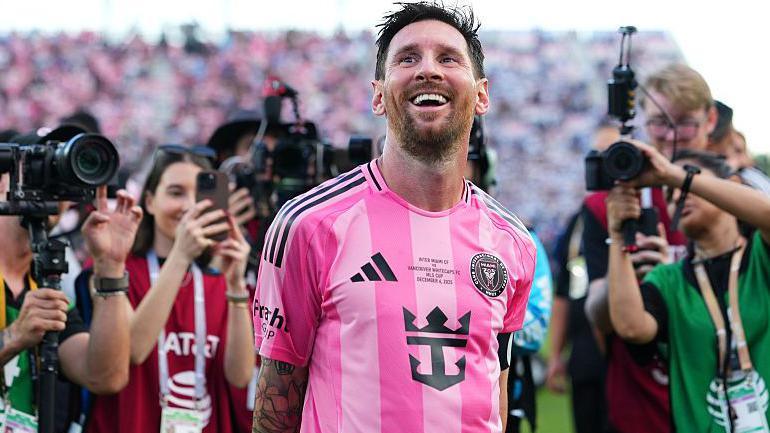
Table of Contents
Player Power: Why Modern Supporters Follow Stars Over Clubs
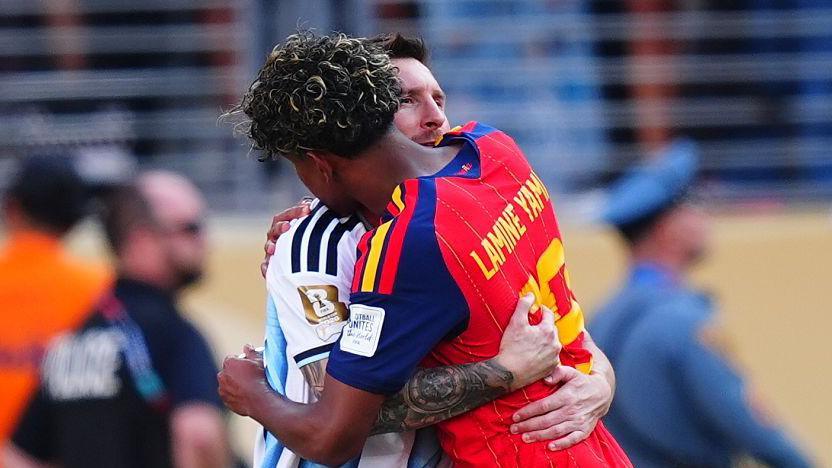
Ninoda.com – The golden ticket arrived wrapped in vibrant flamingo pink, instantly becoming an iconic symbol. From bedrooms in Buenos Aires to walls in Barcelona, Messi’s image adorned spaces worldwide. His transfer to Inter Miami proved to be a marketing triumph. Social media engagement surged, merchandise sold out, and ticket prices skyrocketed. Yet many new supporters weren’t necessarily drawn to the club itself.
“A lot of people are walking around cities and towns in the UK and Europe wearing that flamingo pink of Inter Miami with zero affiliation to Miami, having never been there,” explains sports brand strategist James Kirkham. “It’s quite a normal thing now. But it is the player who has done the job.”
Fans displaying allegiance to what might be considered the greatest player in history seems entirely logical. The same applies to his longtime rival, now sporting Al-Nassr’s distinctive yellow. The debate between Messi and Ronaldo, Barcelona and Real Madrid, MLS and the Saudi Pro League has captivated audiences for decades. From children with makeshift goalposts to social media enthusiasts armed with statistics and memes, these superstars generate passionate discussion.
However, this phenomenon extends beyond just two footballing legends. Gaming’s profound influence on younger generations has accelerated this shift. Kirkham recalls how Zlatan Ibrahimovic experienced a surge in popularity during this period. Younger supporters demonstrate less rigid tribalism compared to previous generations, possessing comprehensive knowledge cultivated through video games like EA Sports FC and Football Manager.
Additional connection points include YouTube content and trading card collections. Supporters follow teams across different nations and leagues primarily for the player names rather than club badges. “Fans play as these players in games,” Kirkham notes. “So there is a really thin line between virtual and real life. Following a player and buying them as part of your Ultimate Team and then wearing that player’s name on the back of your shirt, be that Atletico Madrid or Chelsea or Dortmund, kind of makes no difference.”
The Second Club Phenomenon
Cristiano Ronaldo has scored 129 goals in 148 games since joining Al-Nassr. While Eric Cantona once suggested you cannot change your football team, modern reality tells a different story. According to ‘The Rise of the Second Club Fan’ study published before this summer’s World Cup, 80% of global supporters now follow an additional team. Matthew Kyle, head of insights who authored the Engage and MTM report, clarifies that fans aren’t abandoning their original clubs but expanding their connections.
This trend appears more frequently in regions without dominant domestic leagues, where geography no longer limits support. “They are often looking for ‘who else can I support?’ It’s more natural,” Kyle observes. Rational considerations include club narratives, cultural values, or simply appealing kit designs. The study identifies players as the most powerful catalyst for second-club allegiance, meaning support can shift when players move.
“For this audience, they are the club,” the report concludes. “These fans track individuals, not institutions.”
Griezmann’s Self-Commerced Decision
The football landscape has transformed rapidly. Antoine Griezmann eventually joined Barcelona in 2019, before returning to Atletico two years later. In the summer of 2018, days before France began their World Cup victory, Griezmann announced his plans for a major announcement. ‘The Decision’ would unfold through a half-hour documentary on Spanish television. Barcelona believed they had secured his signature, as did most supporters when Gerard Pique—whose production company created the film—shared a popcorn emoji on social media.
Instead of departing, Griezmann stood before the Metropolitano stadium, revealing he would remain at Atletico Madrid. Two different endings were reportedly filmed to maintain secrecy. The self-confessed NBA enthusiast drew inspiration from LeBron James’ 2010 live show announcing his move to the Miami Heat, attempting to control his own narrative. Both Griezmann and Pique faced some criticism for the approach. Kyle notes that “self-commerced” moments like this reflect how modern footballers and clubs increasingly manage their public image through direct engagement with fans.
Related Reading
Frequently Asked Questions
What is Are fans now more invested in star?
Are fans now more invested in star is the main topic of this guide. The article explains the context, practical details, and next steps readers should understand.
Why does Are fans now more invested in star matter?
Are fans now more invested in star matters because readers are looking for a useful answer, not just a short summary. Good content should match search intent and help them decide what to do next.