From dazzling winger to veteran who barely runs – the evolution of Messi


The Evolution of Messi: From Star to Stalwart
A New Chapter in World Cup History
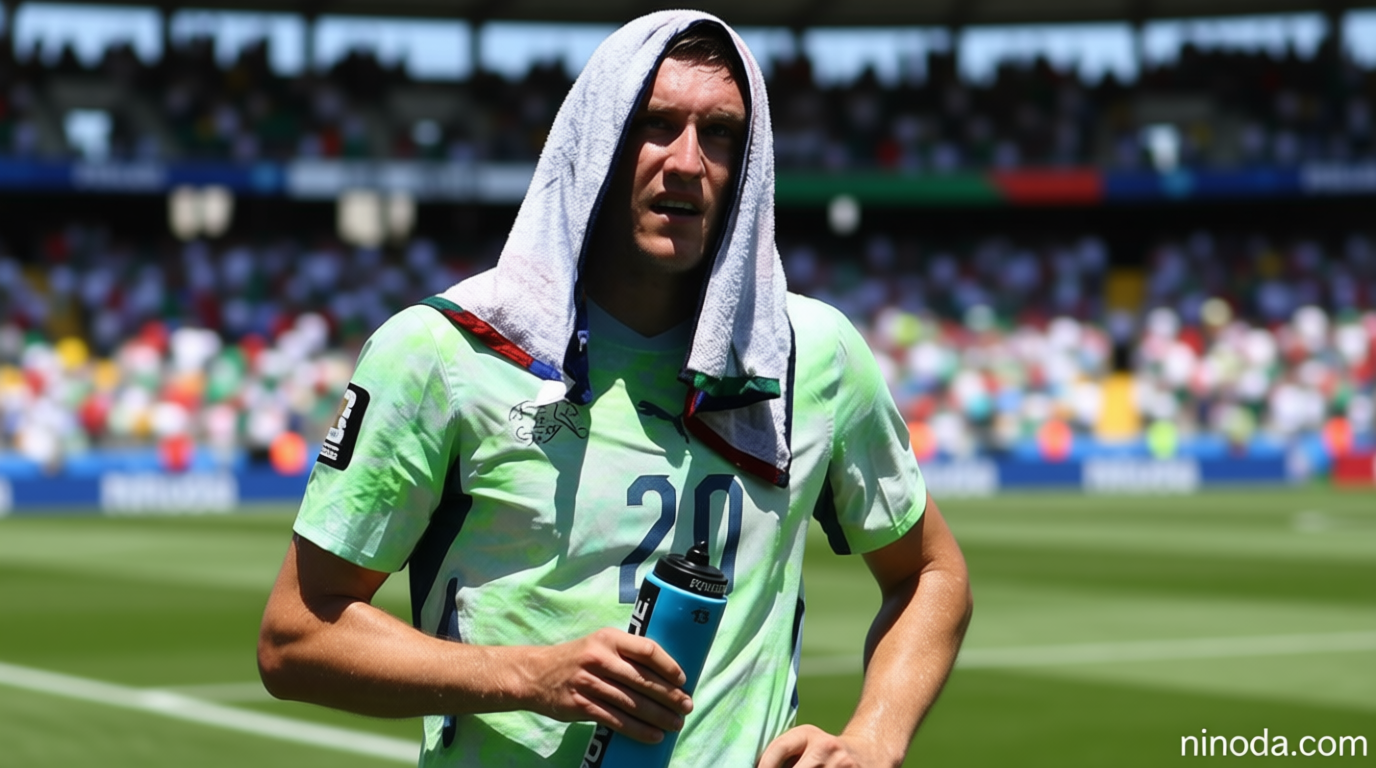
Ninoda.com – If Argentina hopes to claim a historic World Cup title defense since 1962—becoming only the third nation to achieve this—Lionel Messi will be central to their success. The 38-year-old is set to compete in his sixth World Cup, tying with Cristiano Ronaldo and Guillermo Ochoa for the record. Yet, the player who once dazzled on the wings of Barcelona in 2003 has transformed into a seasoned tactician, adapting to the demands of a game that has always sought to outmaneuver him.
The Early Years and Tactical Shifts
When Ronaldinho, the world’s most recognizable star at the time, first watched Messi train, he predicted the Argentine would surpass him. Two years later, Messi electrified the Joan Gamper Trophy by outshining Juventus’ defense, drawing attention from their manager, Fabio Capello, who reportedly wanted to recruit him. By 2005, Messi had already established himself as a formidable force, even as he continued to evolve his role.
Under Frank Rijkaard, Messi’s responsibilities expanded as he transitioned from a winger to a pivotal playmaker. By 2008, Pep Guardiola had already begun shifting his focus inward, positioning Messi as the linchpin of Barcelona’s attacking structure. The first change came for defensive reasons, but it was clear that Messi’s role would only grow.
Reinventing the Game
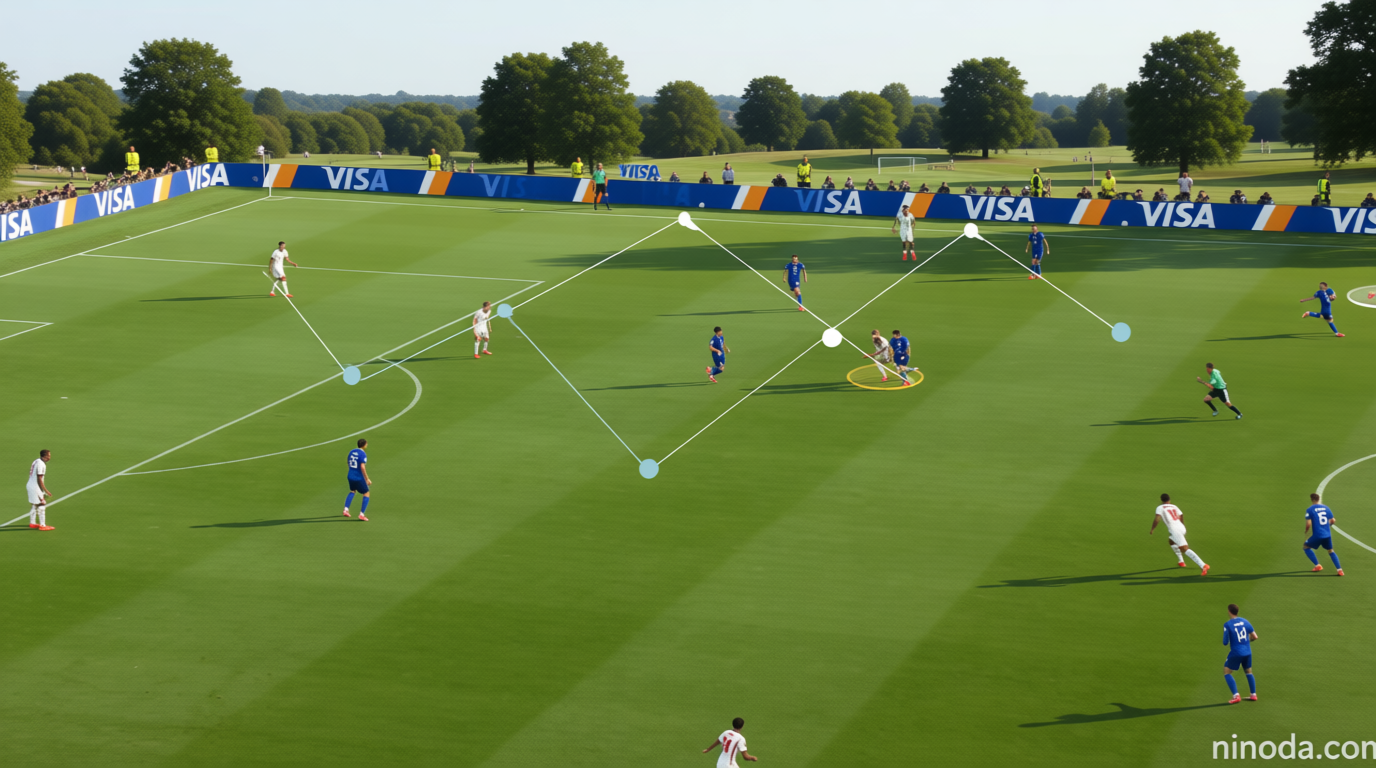
In May 2009, during a La Liga clash at the Santiago Bernabeu, Guardiola placed Messi at the heart of the attack, a role now known as the “false nine.” This strategy, reminiscent of earlier innovations like Hungary’s 6–3 win over England in 1953, allowed Messi to create chaos for defenders. The experiment paid off, with Messi scoring a header in the Champions League final against Manchester United just weeks later.
Over the next few years, Messi’s goal tally soared, with 96 goals in 69 La Liga matches between 2011 and 2013. His ability to adapt was evident as he won five Ballon d’Or awards, including the first at 22 and the latest at 36. “I didn’t used to pay much attention to tactics,” Messi reflected in 2024. “But with Guardiola, I learned to understand spaces, ball retention, and how the game really works.”
Rivals: A Battle for Legacy
As Xavi departed Barcelona in 2015 and Iniesta followed in 2018, Messi’s role became even more central. No longer relying on a midfield safety net, he was tasked with carrying the team’s creative and attacking burden alone. This period tested his endurance, but it also sparked a new phase of evolution. The once-errant winger now thrives as a master of control, proving that his adaptability has only deepened with time.