New rules abound – why VAR diving decision was wrong despite feeling right

A Surge of New Regulations Sparks Debate Over VAR’s Diving Call
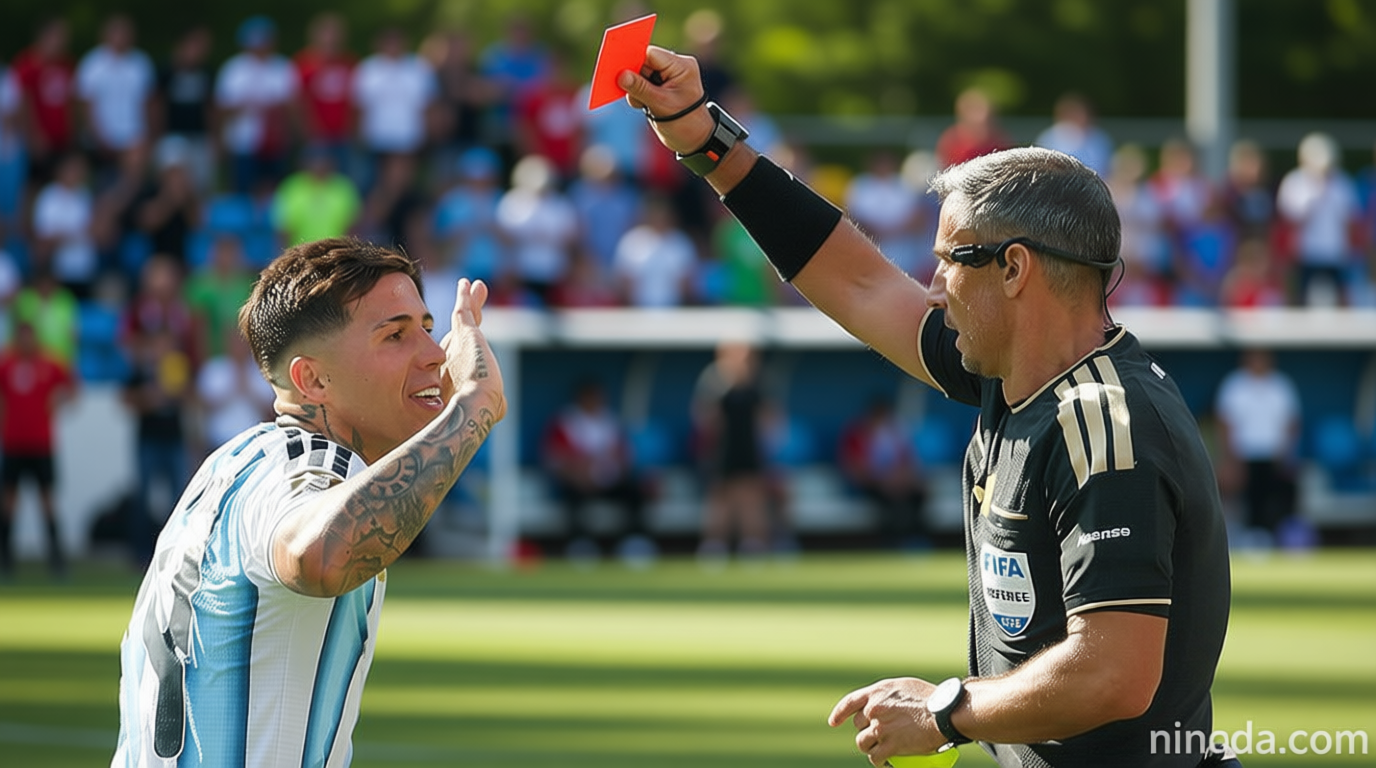
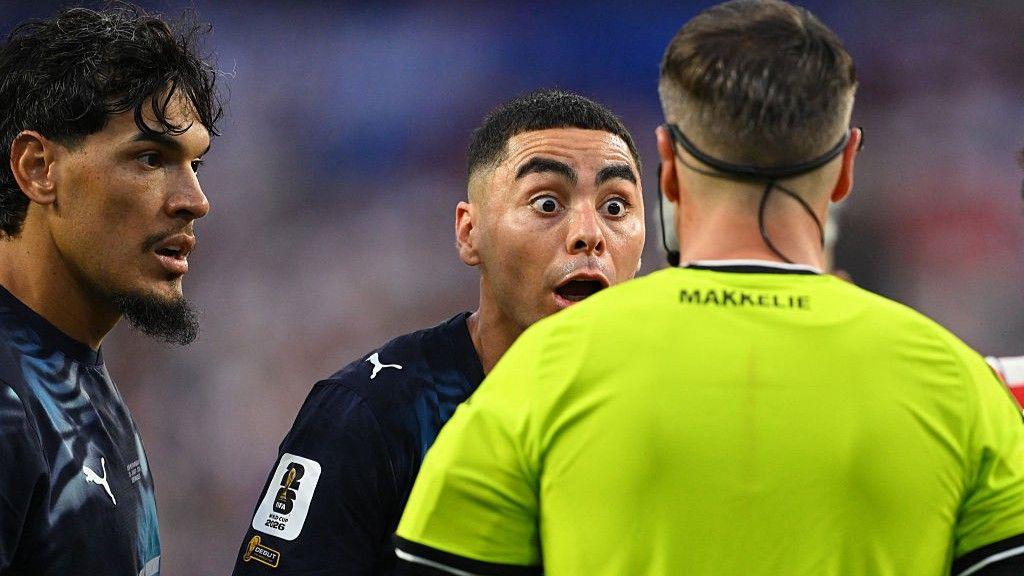
Ninoda.com – As the World Cup unfolds, a wave of updated rules has introduced new complexities for players, coaches, and fans. The tournament’s early stages saw a notable moment when Paraguay’s Miguel Almiron was penalized for diving, despite no physical contact. This decision, made by Dutch referee Danny Makkelie, ignited discussions about the fairness of VAR interventions and the evolving interpretation of fouls.
VAR, Timewasting, and Sub Rules Explained
The International Football Association Board (Ifab) and FIFA have implemented several rule changes for this edition of the World Cup. One such adjustment allows VAR to review decisions based on mistaken identity, ensuring referees don’t penalize the wrong player for the same offense. This provision was tested during a match between the United States and Paraguay, where a controversial call led to a reversal of the initial yellow card.
In the second half, Makkelie initially cautioned USA captain Tim Ream for fouling Almiron. However, the VAR team, led by Spanish video assistant referee Carlos del Cerro Grande, flagged the decision and instructed Makkelie to reassess. The review revealed that Almiron had not been touched, prompting the referee to switch the booking to the former Newcastle player instead.
While the corrected decision was praised by some, it raised questions about the scope of the mistaken identity rule. According to Ifab guidelines, this rule applies only when a referee clearly penalizes the wrong player for the same incident. The offside call in the US vs. Paraguay game involved different offenses—fouling versus diving—yet the VAR reversal sparked debate over whether the rule was misapplied.
The Controversial Call and Its Aftermath
“A good spot and the right decision, I may add. That’s the main thing,” remarked BBC commentator Danny Murphy. “Any rule change that targets diving is a positive step.”
Despite the approval from some, critics argue the decision may have been flawed. The mistaken identity rule, as defined by Ifab, does not cover cases where an opposing player is booked for diving when they were not touched. While Makkelie’s call was swiftly reversed, the confusion highlights the challenges referees face in adapting to new protocols.
Former England defender Phil Jagielka echoed support for penalizing diving, stating, “I’m a defender, so I don’t mind. If a player simulates a dive and the referee falls for it, reversing the decision makes sense. But where do we draw the line if there’s minimal contact? The line is tricky to maintain.”
The incident underscores the tension between striving for perfection and the inevitable ambiguity of rule changes. With 11 days of intense matches ahead, the scrutiny on VAR’s role in deciding contentious moments will only grow. While FIFA has yet to officially address the situation, the debate over diving’s fate in the World Cup continues to heat up.