Rainbow flags await Egypt and Iran at awkward World Cup Pride Match

Rainbow Flags Await Egypt and Iran at Controversial World Cup Pride Match
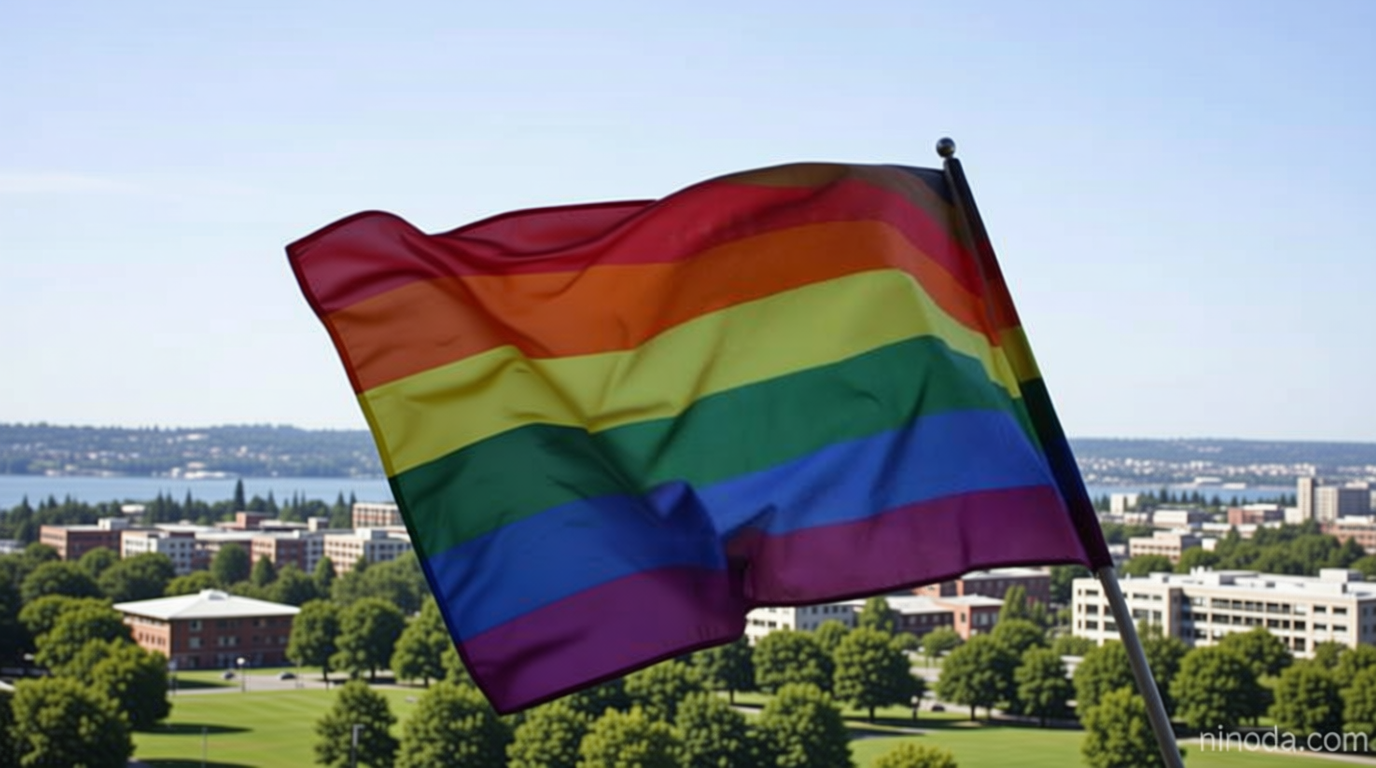
Ninoda.com – Rainbow flags await Egypt and Iran as the 2026 World Cup features a Pride Match in Seattle, sparking both celebration and controversy. The designation of this game as a Pride Match is rooted in its timing—scheduled just days before Pride Weekend, a global event honoring LGBTQ+ diversity. Organizers in Seattle have leveraged the opportunity to showcase the city’s progressive identity, incorporating drag performances and vibrant fan zones to highlight inclusivity. However, the pairing of Egypt and Iran has raised eyebrows, with some viewing the event as a symbolic clash of cultural values. Despite the tension, the match proceeds as a celebration of football and unity, with rainbow flags prominently displayed to symbolize the event’s significance.
A Pride Match with Political Undertones
The Pride Match designation has drawn mixed reactions, particularly from fans and representatives of the two nations involved. For Egypt, where homosexuality is criminalized under sharia law, the presence of rainbow flags in the stadium has been interpreted as a challenge to traditional values. Similarly, Iran, known for its strict laws against LGBTQ+ individuals, has seen its head coach, Amir Ghalenoei, express caution about addressing Pride themes during the match. “Our focus is solely on the game,” Ghalenoei stated, emphasizing that the teams will prioritize football over discussions about LGBTQ+ pride. Yet, the symbolism of the flags remains a powerful statement of support for the community, even as cultural and political tensions persist.
Meanwhile, the Pride Match has become a focal point for advocacy groups and fans from around the world. In Seattle, the event has been framed as a chance to foster dialogue and bridge divides, with organizers highlighting the city’s commitment to diversity. “This match is not just about football—it’s about visibility and progress,” said a local Pride committee member. The display of rainbow flags, both as a nod to the city’s identity and as a gesture of solidarity with the LGBTQ+ community, has sparked debates about how sports can serve as a platform for social change. As the teams take the field, the flags stand as a reminder of the broader global conversation surrounding LGBTQ+ rights.
Global Pride and Local Identity in Harmony
Seattle’s decision to host the Pride Match has been praised for its ability to blend global inclusivity with local culture. The city has long been a hub for LGBTQ+ activism, and the event has been carefully planned to align with its progressive reputation. Drag performances, rainbow-themed merchandise, and themed watch parties have created an atmosphere of celebration, drawing fans from diverse backgrounds. However, the presence of Egypt and Iran has added a layer of complexity, with some questioning whether the match’s Pride label is genuine or performative. “It’s about creating a space where everyone feels welcome,” said a Seattle fan, noting that the flags are a natural extension of the city’s identity.
The match also serves as a testament to the World Cup’s role as a global stage for cultural exchange. While Egypt and Iran may have differing perspectives on LGBTQ+ issues, their participation in the Pride Match underscores the tournament’s ability to unite nations through sport. FIFA has confirmed that rainbow flags will be allowed in stadiums during the 2026 event, reinforcing the organization’s commitment to inclusivity. “The World Cup is a celebration of human connection, and Pride is part of that story,” said a FIFA spokesperson. The flags, though a small symbol, represent a larger narrative of acceptance and the power of sports to transcend cultural boundaries.
Enhancing Visibility and Bridging Divides
As the teams prepare for the match, the rainbow flags have become a visual anchor for the event’s message of unity and diversity. The flags are not just decorations—they are a statement of support for the LGBTQ+ community, even in the face of opposition. In Seattle, the stadium has been transformed into a vibrant space where fans can express their pride, with the flags adding a colorful backdrop to the excitement of the game. This display has resonated with many, particularly younger generations, who see the World Cup as a chance to advocate for their values on a global platform.
The Pride Match has also generated conversation about how to balance cultural pride with inclusivity. While some fans from Egypt and Iran may feel the event is a stretch, others appreciate the opportunity to engage with a broader audience. “Even if we don’t fully agree on everything, we can still celebrate the game together,” said one Egyptian supporter. The flags, in this context, are not just a symbol of Pride but also a reminder of the shared human experience that sports can bring. As the World Cup progresses, this match stands as a unique moment where football and LGBTQ+ visibility intersect, challenging perceptions and fostering dialogue across cultures.
The World Cup’s Pride Match in Seattle is more than a sporting event—it’s a cultural milestone. By hosting the game with rainbow flags, the city has taken a bold step in promoting inclusivity, even as the teams navigate their own societal contexts. The flags, along with the celebrations and performances, create a sense of community and belonging, inviting fans to participate in a shared experience. While the event may not fully resolve the tension between traditional values and progressive ideals, it offers a platform for discussion and understanding. As the match kicks off, the hope is that the rainbow flags will inspire conversations that extend beyond the field, highlighting the importance of visibility in a global context.