
Riders’ clothing checked at women’s Tour over bra padding concerns

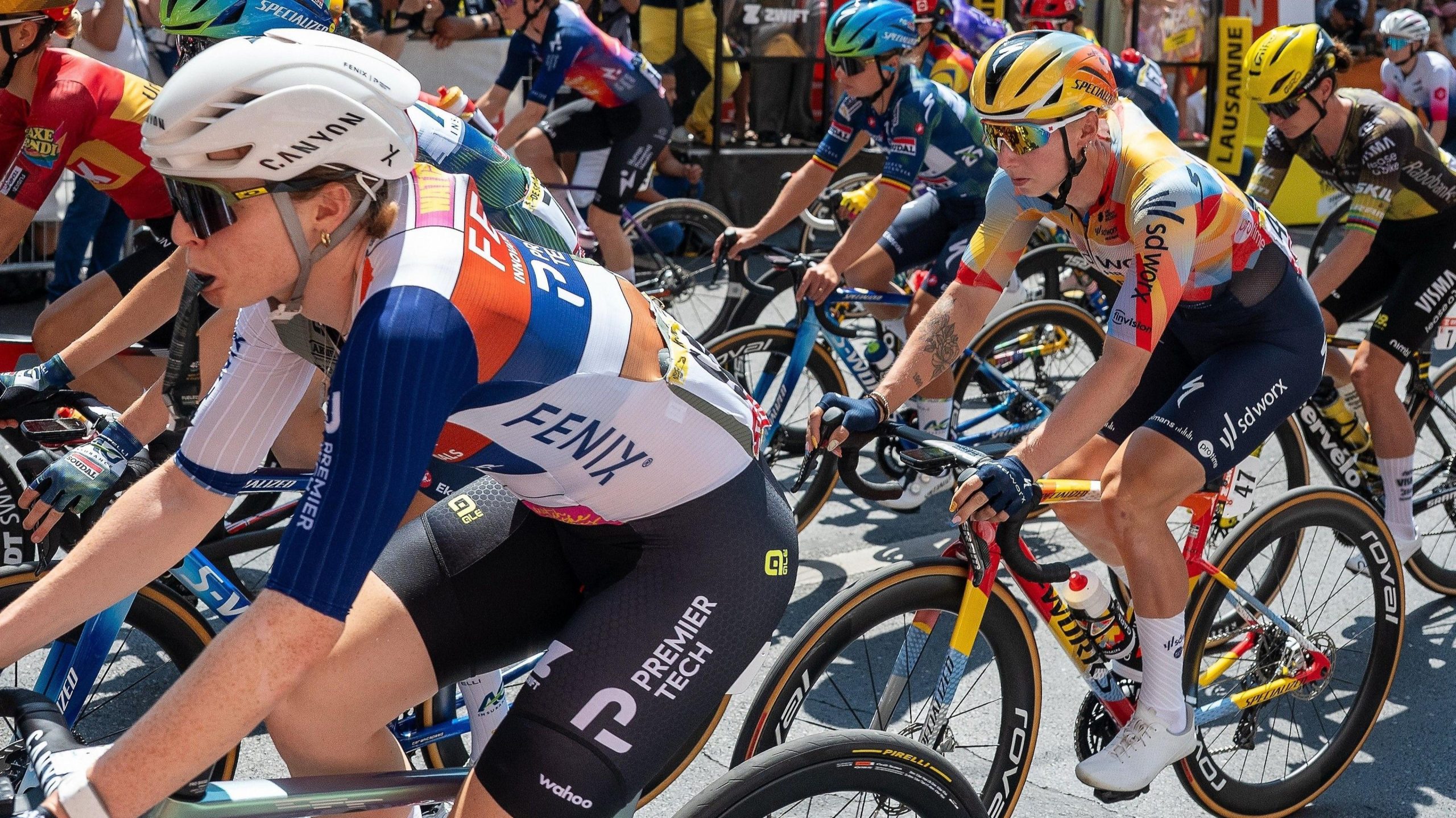
Aerodynamic Fairings Spark Clothing Inspections at Women’s Tour
Ninoda.com – Officials at the Tour de France Femmes Avec Zwift are conducting thorough examinations of riders clothing checked at women s Tour to ensure no one gains an unfair advantage through aerodynamic modifications. Reports indicate that padding placed inside bras could potentially provide cyclists with a benefit of approximately one second for every kilometer covered during the race. This scrutiny represents a significant moment for women’s cycling as organizers work to maintain fair competition standards.
The race organizer, ASO, released an official statement after Dutch news outlets highlighted worries that certain competitors had utilized bra padding as aerodynamic fairings to enhance their performance efficiency. Beyond breast padding, athletes have previously been known to insert various objects into their skinsuits around the chest region to create smoother airflow across their bodies. The practice has become increasingly common as women’s cycling continues to grow in popularity and professionalism.
Regulatory Framework and Penalties
According to the ASO announcement, all participants must complete their final equipment and outfit inspections no later than ten minutes prior to their scheduled start time. The organization emphasized that particular focus will be directed toward adherence to UCI regulation article 1.3.032, which addresses non-essential elements and accessories that might alter a rider’s physical appearance. This regulation provides the foundation for the current inspection process.
“Riders must be to the final checks before the race (bikes and outfit) no later than 10 minutes before their respective start time,” the statement explained. “Particular attention will be paid to compliance with article 1.3.032 of the UCI regulations, including non-essential elements and clothing or other items/accessories worn by a rider (including but not limited to helmets, glasses, shoes or in-race communication devices) which could modify riders’ morphology.”
Violations could result in disqualification from competition alongside fines approaching £200. The Dutch publication Wielerflits noted that this practice has occurred in women’s cycling before, including during the Paris 2024 Olympic Games. These penalties demonstrate the seriousness with which organizers are approaching the issue.
The Grey Area of Enforcement
Koen de Kort, who serves as Lidl-Trek’s head of technical and innovation, acknowledged the difficulty officials face in monitoring these modifications. He told The Athletic that determining appropriate limits remains challenging. The challenge lies in creating clear guidelines while allowing for individual differences among female cyclists.
“The problem is how are you going to police it?” de Kort said. “That’s the biggest issue. You can say it’s not allowed [but] how can you say how much a woman needs? That’s time to get pretty much into a grey area of what you’re allowed to check.”
The UCI’s regulations specifically prohibit clothing and accessories that are “not strictly necessary for the functionality of the clothing, or other item, or accessory.” This rule creates ambiguity regarding what constitutes acceptable versus excessive padding. As riders clothing checked at women s Tour continues, officials must balance strict enforcement with practical considerations.
Scientific Evidence Supports Concerns
Research conducted by academics from Scottish and Dutch universities provides scientific backing for these aerodynamic concerns. Their wind tunnel experiments utilized a male rider mannequin standing 177 centimeters tall, revealing that fairings could produce “significant drag aero reductions.” The study further demonstrated that wider objects generated the most substantial performance improvements.
Aerodynamic efficiency receives considerable attention in cycling, where optimal bike frame geometry and skinsuit design can save competitors multiple seconds—particularly during time trials when athletes race individually against the clock. Similar controversies emerged in ski jumping last February, when male competitors faced accusations of using penis injections to improve their aerodynamic profile. These parallels highlight how aerodynamic advantages transcend different sports.
As the Tour de France Femmes continues, officials remain vigilant about ensuring fair competition while navigating the complex question of what constitutes reasonable aerodynamic enhancement in women’s cycling. The ongoing debate will likely shape future regulations for riders clothing checked at women s Tour events worldwide.
Frequently Asked Questions
What is the maximum fine for aerodynamic padding violations? Violations could result in fines approaching £200, along with potential disqualification from the race.
How much time can aerodynamic padding save a cyclist? Reports indicate that padding placed inside bras could potentially provide riders with a benefit of approximately one second for every kilometer covered during the race.
Which UCI regulation governs these inspections? Article 1.3.032 of the UCI regulations addresses non-essential elements and accessories that might alter a rider’s physical appearance.
When must riders complete their final equipment checks? All participants must complete their final equipment and outfit inspections no later than ten minutes prior to their scheduled start time.