Tickets for Iran fans revoked, says federation

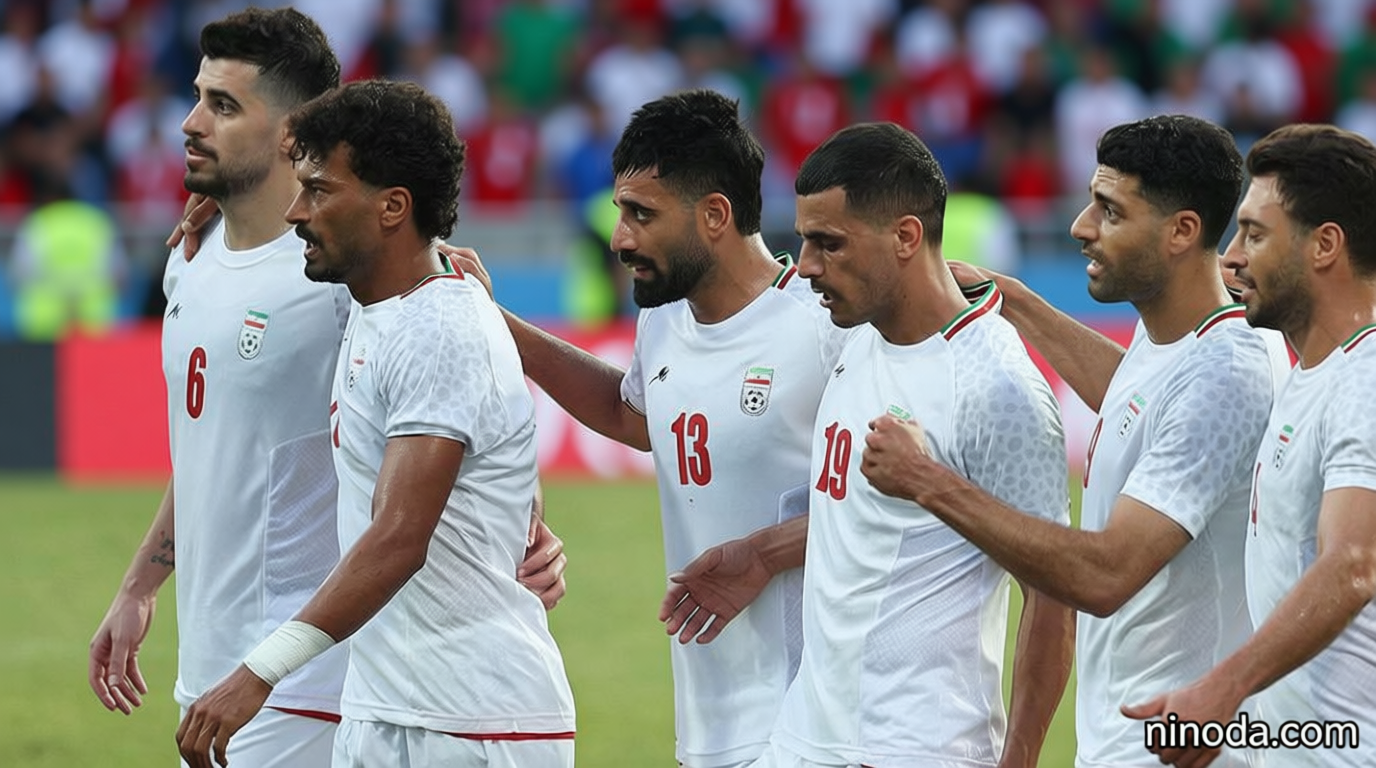
Tickets for Iran Fans Revoked, Says Federation
Ninoda.com – Iran’s football federation has confirmed that fan tickets allocated for the World Cup group stage have been revoked, marking a significant development in the nation’s participation in the global tournament. The decision comes just days before the matches commence, with the Iranian national team set to compete in Los Angeles and Seattle as part of the 2026 World Cup. This move has raised concerns among supporters and officials, who argue that the cancellation of tickets undermines the principles of fairness and accessibility that define international sports events. The situation adds another layer of complexity to an already challenging campaign, as the team navigates both logistical and political hurdles in the lead-up to their matches against New Zealand, Belgium, and Egypt.
Visa Controversy and Team Relocation
The decision to revoke tickets is closely tied to the visa dispute that has plagued Iran’s World Cup preparations. Less than two weeks before the tournament begins, the Iranian team relocated their training base from Tucson, Arizona, to Tijuana, Mexico, citing U.S. reluctance to host them. This shift was driven by the country’s refusal to grant entry permits for 15 administrative staff members, a move that has sparked diplomatic tensions and raised questions about the impartiality of the host nation. The Iranian players will now have to enter and exit the United States on matchdays, which has created additional logistical challenges for the team’s travel and preparation.
“Depriving Iranian supporters of access to their lawful and official allocation of tickets is an action contrary to the spirit of governing international competitions and the principle of equality among participating countries,” stated the FFIRI, criticizing the decision as a sign of political influence over the tournament’s organization.
The FFIRI had previously submitted a list of 10 conditions for World Cup participation, including allowing players, coaches, and officials who had completed service with the Islamic Revolutionary Guard Corps (IRGC). While U.S. Secretary of State Marco Rubio acknowledged Iran’s players would be welcomed at the event, he noted that individuals with ties to the IRGC might face travel restrictions. This policy has been seen as a potential barrier to fan access, as the ticket revocation affects not just the players but also the supporters who had planned to attend matches.
Impact of Revoked Tickets on Fan Access
The revocation of fan tickets has left many supporters in a state of uncertainty, particularly those who had invested time and resources into securing entry to the games. With matches scheduled in Los Angeles and Seattle, the cancellation disrupts the ability of Iranian fans to experience the team’s performance firsthand. This move is perceived as a strategic attempt to limit the visibility of the Iranian squad, which could have broader implications for the nation’s international standing and diplomatic relations. The FFIRI has emphasized that the ticket revocation reflects a lack of neutrality in the tournament’s administration.
Officials have expressed frustration over what they describe as interference from non-sporting interests, arguing that the decision undermines the integrity of the World Cup. The Iranian Football Federation has called for FIFA to intervene, ensuring that the tournament remains a platform for equality and that all participating nations are treated fairly. Meanwhile, fans are left to adjust their plans, with some now relying on alternative methods to watch the matches remotely. The situation highlights the growing intersection between sports and geopolitics in modern international competitions.
Political Tensions and Tournament Challenges
Iran’s participation in the 2026 World Cup has been overshadowed by ongoing security concerns and regional tensions. The country’s absence from FIFA’s annual congress in Vancouver earlier this month further underscored these issues, as officials were denied entry at the Canadian border. This exclusion, combined with the ticket revocation, has intensified criticism of the host nations’ policies and raised questions about the independence of the tournament’s governance. The FFIRI has accused FIFA of failing to mediate effectively, arguing that the organization should prioritize sporting fairness over political considerations.
Despite these challenges, the Iranian team remains determined to make a strong showing in the group stage. Their matches against New Zealand on June 15, Belgium on June 21, and Egypt on June 26 are critical opportunities to demonstrate their capabilities on the global stage. However, the ticket revocation has added pressure, with fans and analysts wondering whether the team will face additional distractions during their campaign. As the World Cup approaches, the focus is on how these issues will affect Iran’s performance and their ability to connect with supporters worldwide.
Global Reaction and Future Implications
The revocation of tickets has sparked a mixed reaction from the global football community. While some have criticized the decision as a political move, others have expressed solidarity with Iran’s efforts to navigate the complexities of international competition. The situation has also prompted discussions about the role of diplomacy in sports events, with questions about whether such decisions will influence future tournaments. For Iran, the challenge is not only to secure fan access but also to prove that their team can thrive under these conditions.
As the 2026 World Cup unfolds, the ticket revocation serves as a reminder of the broader geopolitical landscape in which sports events are held. The Iranian Football Federation has vowed to continue advocating for fair treatment, emphasizing that the ticket issue is a symptom of deeper systemic challenges. With matches just days away, the focus remains on