Trump, Bieber and Shakira – a World Cup final like never before

Trump, Bieber and Shakira – a World Cup final like never before
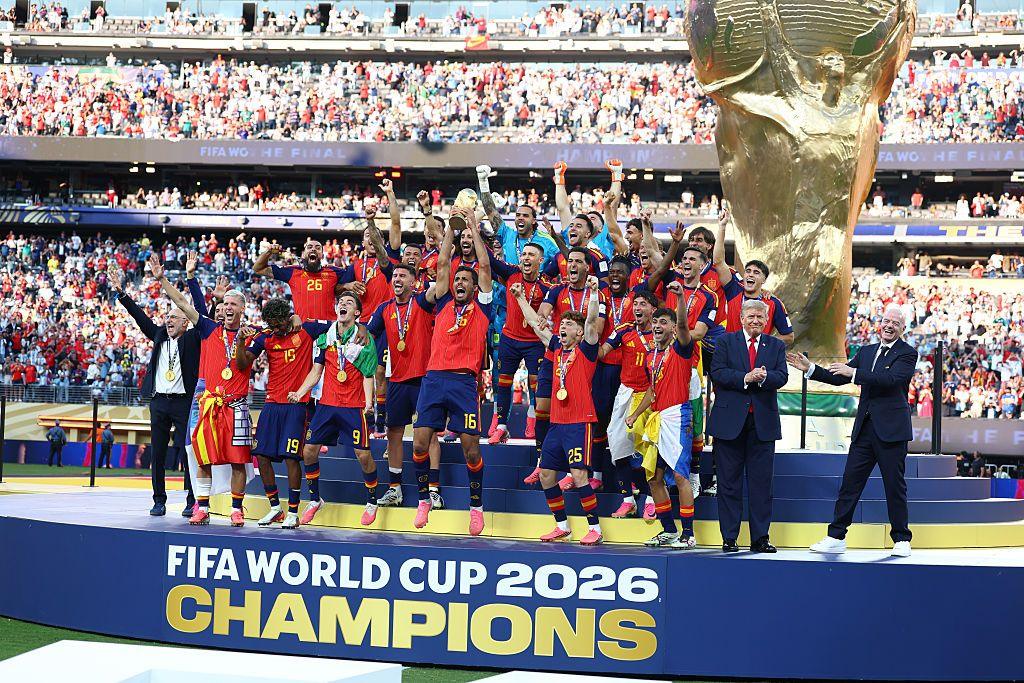
Ninoda.com – The 2026 World Cup final will be remembered not just for the thrilling clash between Spain and Argentina, but for the unique combination of Trump, Bieber, and Shakira that turned the event into a global spectacle. The game itself was a tightly contested match, yet the pre and post-game festivities, featuring the presence of these high-profile figures, created a memorable atmosphere that blended sports and celebrity culture in unprecedented ways. As the tournament reached its climax, the World Cup became more than a football event—it was a platform for entertainment, political flair, and pop star charisma.
A New Era of Celebrity Integration
The World Cup 2026 marked a significant shift in how sports events are curated, with Trump, Bieber, and Shakira becoming central figures in the final’s narrative. Their involvement was not limited to the halftime show; Trump made a dramatic entrance at the New York New Jersey Stadium, arriving by helicopter and drawing widespread attention. Bieber and Shakira, meanwhile, were integral to the tournament’s musical identity, with Shakira’s song “Dai Dai” being adopted as the official anthem. This was the first time the World Cup had featured such a high-profile lineup, setting a new standard for the integration of pop culture into international football.
“The halftime show was a game-changer,” said sports analyst Maria Lopez during the broadcast. “It brought a different energy to the event, turning the stadium into a concert venue. But it also raised questions about whether football is losing its traditional appeal to the spotlight of celebrities like Trump, Bieber, and Shakira.”
While some fans embraced the added entertainment, others felt the focus on these personalities overshadowed the game. The event’s organizers, however, defended the decision, arguing that the inclusion of Trump, Bieber, and Shakira had helped elevate the World Cup’s global reach and engagement. The halftime break, extended to 27 minutes, was filled with performances that had a lasting impact on the event’s legacy, even if the football itself was not the main draw.
Political and Musical Spectacle
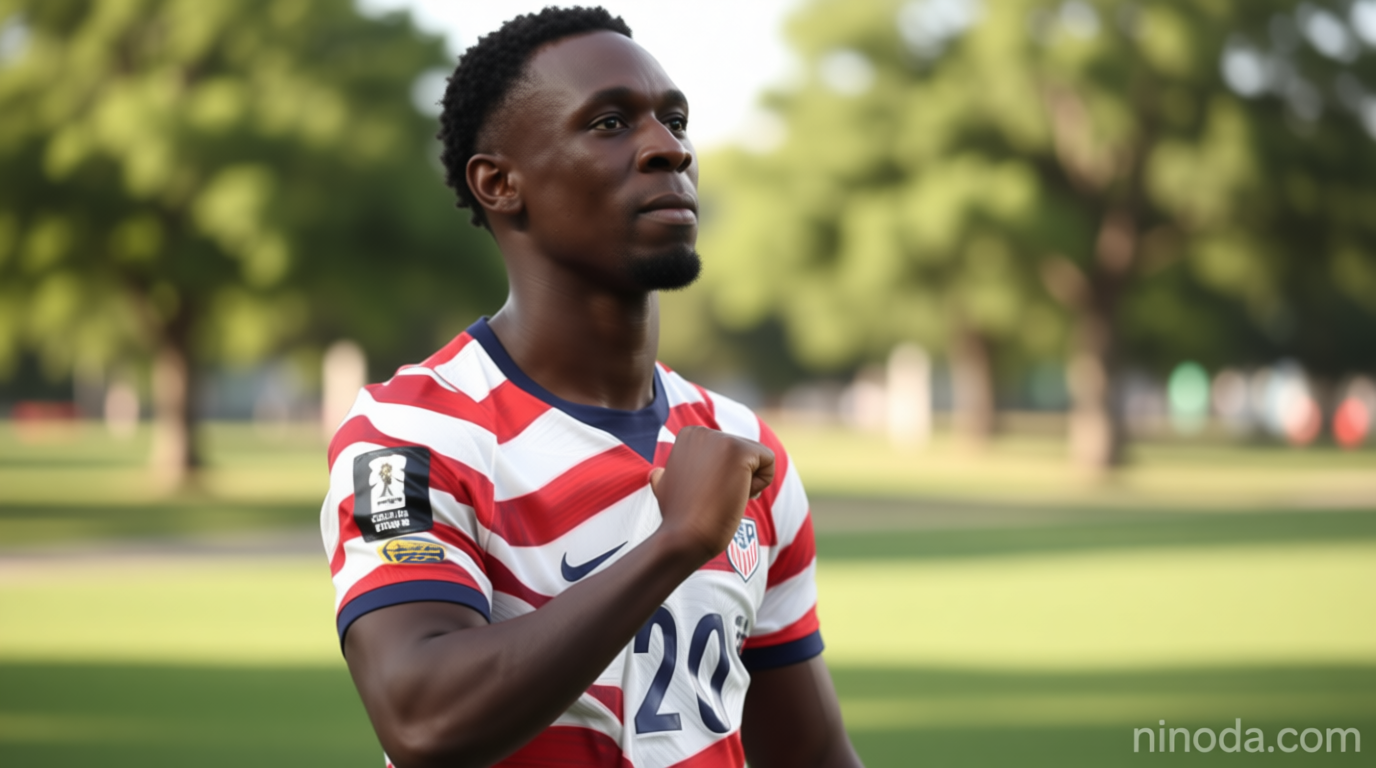
Donald Trump’s presence at the final was a defining moment, with his charismatic speeches and off-field antics becoming a talking point. His intervention in a critical match, where he personally appealed to FIFA president Gianni Infantino to protect US striker Folarin Balogun from a suspension, highlighted the influence of celebrities on football decisions. Balogun’s participation in the final was a direct result of Trump’s efforts, a move that sparked debate about the balance between sports integrity and the power of high-profile figures.
Shakira and Bieber, on the other hand, were celebrated for their musical contributions. Their performances during the halftime show were a blend of high-energy pop and stadium-friendly rock, creating a backdrop that resonated with fans worldwide. Shakira’s rendition of “Dai Dai” during the trophy ceremony was a highlight, while Bieber’s acoustic version of “Everything Hallelujah” added a contrasting tone to the event. Together with Madonna, BTS, and Coldplay, these artists helped shape the 2026 final into a cultural phenomenon, regardless of the match’s technical merits.
The Unforgettable 2026 World Cup Final
As the final approached, the World Cup 2026 was filled with moments that would be etched into memory. The trophy presentation saw Trump and Infantino awarding medals to Spain and Argentina, with the former’s presence adding a layer of political intrigue. Meanwhile, the closing ceremony featured a grand display of music and dance, with Tom Cruise delivering a memorable speech and performances by Robbie Williams and Nicole Scherzinger. Trump, seated beside Cruise, was a visible figure throughout the event, his interactions with the celebrities and the players amplifying the final’s cultural significance.
Spain’s victory, secured by a last-minute goal from Ferran Torres, was celebrated with a blend of football tradition and modern flair. The tournament’s organizers had envisioned a unique experience, and the presence of Trump, Bieber, and Shakira played a key role in achieving that vision. While some critics argued that the event prioritized showmanship over the sport, others praised its ability to capture the imagination of a global audience. The final was a testament to the evolving nature of the World Cup, where the line between football and entertainment has become increasingly blurred.
For many, the 2026 final symbolized the World Cup’s transformation into a multimedia event. Trump, Bieber, and Shakira were not just guests—they were co-creators of an unforgettable experience. Their influence extended beyond the stadium, with social media buzz and global headlines ensuring the tournament remained in the public eye long after the final whistle. As football continues to embrace new forms of engagement, the 2026 final serves as a case study in the power of celebrity culture to redefine the essence of a global sporting event.