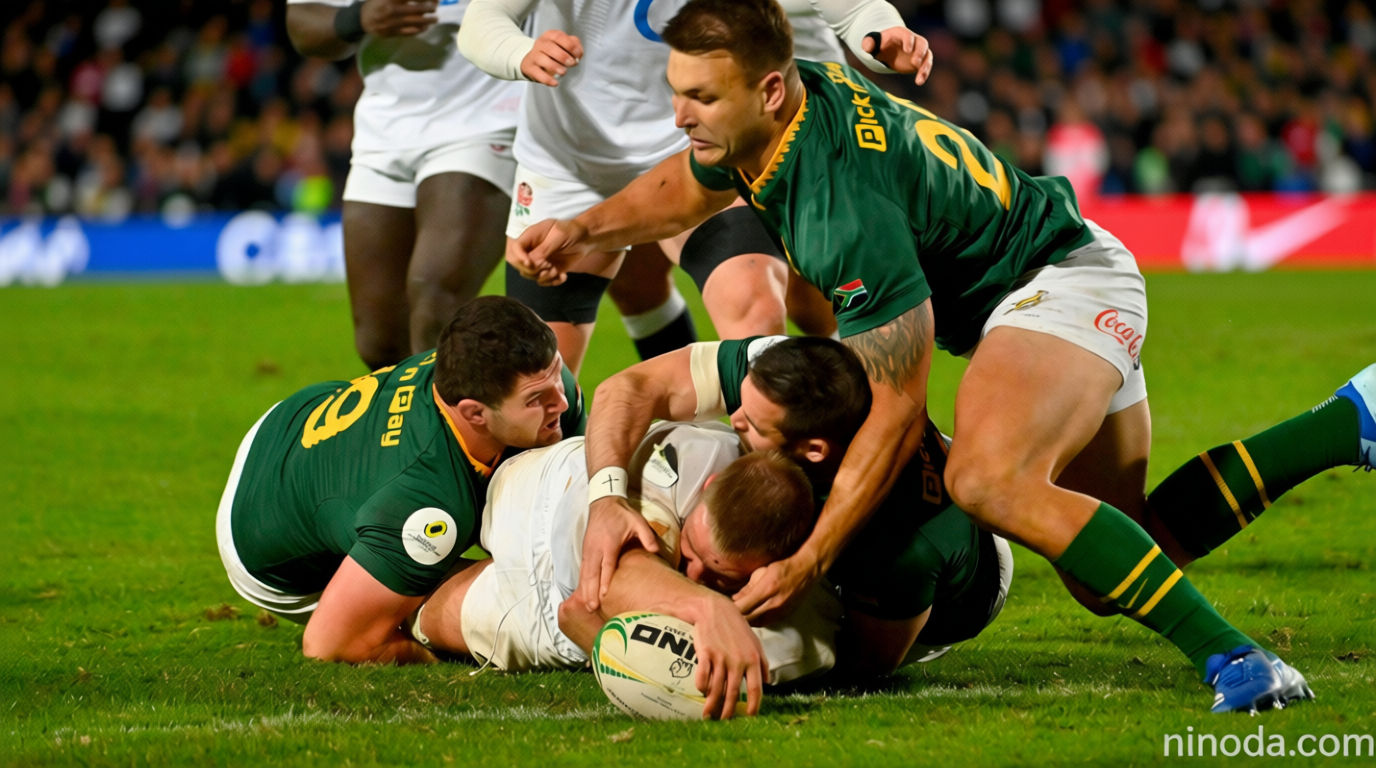
VAR, timewasting and subs – new rules for the new season

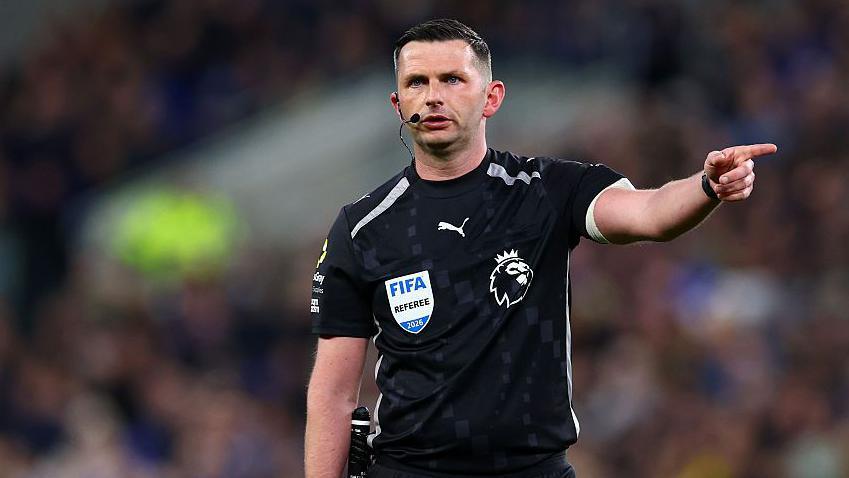
Table of Contents
Unprecedented Rule Changes Set to Transform English Football
Ninoda.com – The 2026-27 campaign introduces an extraordinary array of new regulations, primarily targeting tempo disruption to accelerate the pace of play. Michael Oliver has emerged as the Premier League’s leading official following Anthony Taylor’s retirement announcement. While these modifications debuted at the World Cup, they generated considerable bewilderment during the opening Carabao Cup fixtures last weekend.
Implementation spans the entire English football pyramid, beginning with the EFL this weekend, extending through Sunday’s Community Shield clash between Arsenal and Manchester City, and continuing through the Premier League down to local Sunday leagues. The video assistant referee system remains separate from these particular adjustments.
World Cup Success and Statistical Improvements
The overarching objective involves eliminating frustrating interruptions while maximizing actual playing time without excessive stoppage periods. The World Cup demonstrated this approach effectively.
During the 2022 tournament in Qatar, the ball remained in active play for an average of 58 minutes and three seconds, representing 56.86% of total match duration. This summer witnessed 58 minutes and 16 seconds of ball-in-play time, yet with considerably less added time, resulting in 60.43% of the match featuring active play.
These modifications seek to influence player behavior rather than impose rigid penalties. Nevertheless, clubs accustomed to employing the “dark arts” to exhaust the clock may face disadvantages under the new framework.
Countdown System Targets Timewasting
Players deliberately delaying restarts will now face a five-second countdown mechanism. Any action deemed to disrupt play—such as positioning the ball on a cone or allowing it to drop for a teammate—can initiate this process.
The referee will sound the whistle to accelerate the player while simultaneously signaling the countdown through visible arm movements. Should the five seconds expire, possession reverts to the opposing team via throw-in.
Long throw preparations remain exempt from this rule since they constitute set-piece routines, though the countdown may commence once players achieve their positions. Additionally, goalkeepers who excessively delay goal-kicks near the conclusion of matches now risk conceding a corner instead.
Substitute Entry Rules Tightened
Players being replaced must exit the pitch within ten seconds at the nearest point. Failure to comply means the incoming substitute cannot enter for a minimum of one minute, forcing the team to compete with ten players.
Middlesbrough’s Will Lankshear became the inaugural recipient of this sanction during their Carabao Cup encounter against Wrexham. Leading 1-0 in the 80th minute thanks to his own goal, Lankshear leisurely jogged off while applauding supporters. Manager Kim Hellberg encouraged haste, but the delay meant substitute Fin Cartwright could not immediately join the action.
“I didn’t know!” the former Tottenham player explained following the match.
The affected substitute must remain offside until the next natural break in play, potentially leaving teams with ten players for extended periods. Exemptions exist for injuries or security considerations regarding exit points.
Extended Injured Player Protocol
The duration for injured players to leave the field has increased from thirty seconds to one minute. This regulation operates more strictly than before, requiring players to exit even when they haven’t requested medical attention, thereby preventing tactical interruptions to opposition momentum.
The rule does not apply when a player falls and the ball naturally moves out of play for a throw-in or goal-kick. Some observers worry that one minute may be excessive for genuine injuries, though several exceptions provide relief.
Notably, when the fouling player receives a yellow or red card, the injured player no longer faces mandatory removal in all situations. This modification reduces the likelihood of tactical fouls resulting in teams playing with ten men.
Goalkeeper Tactical Timeout Gains Attention
The goalkeeper’s tactical timeout has emerged as a prominent discussion point in recent campaigns. Managers utilize this opportunity to deliver fresh instructions or disrupt the opposition’s flow. The goalkeeper positions themselves on the turf and signals for the physiotherapist while teammates converge for brief consultation.
These comprehensive changes represent football’s ongoing effort to enhance spectator experience through increased action and reduced delays.
Related Reading
Frequently Asked Questions
What is VAR timewasting and subs?
VAR timewasting and subs is the main topic of this guide. The article explains the context, practical details, and next steps readers should understand.
Why does VAR timewasting and subs matter?
VAR timewasting and subs matters because readers are looking for a useful answer, not just a short summary. Good content should match search intent and help them decide what to do next.