Why super-sized and politicised World Cup comes at a cost

The Cost of a Politically Charged, Super-Sized World Cup
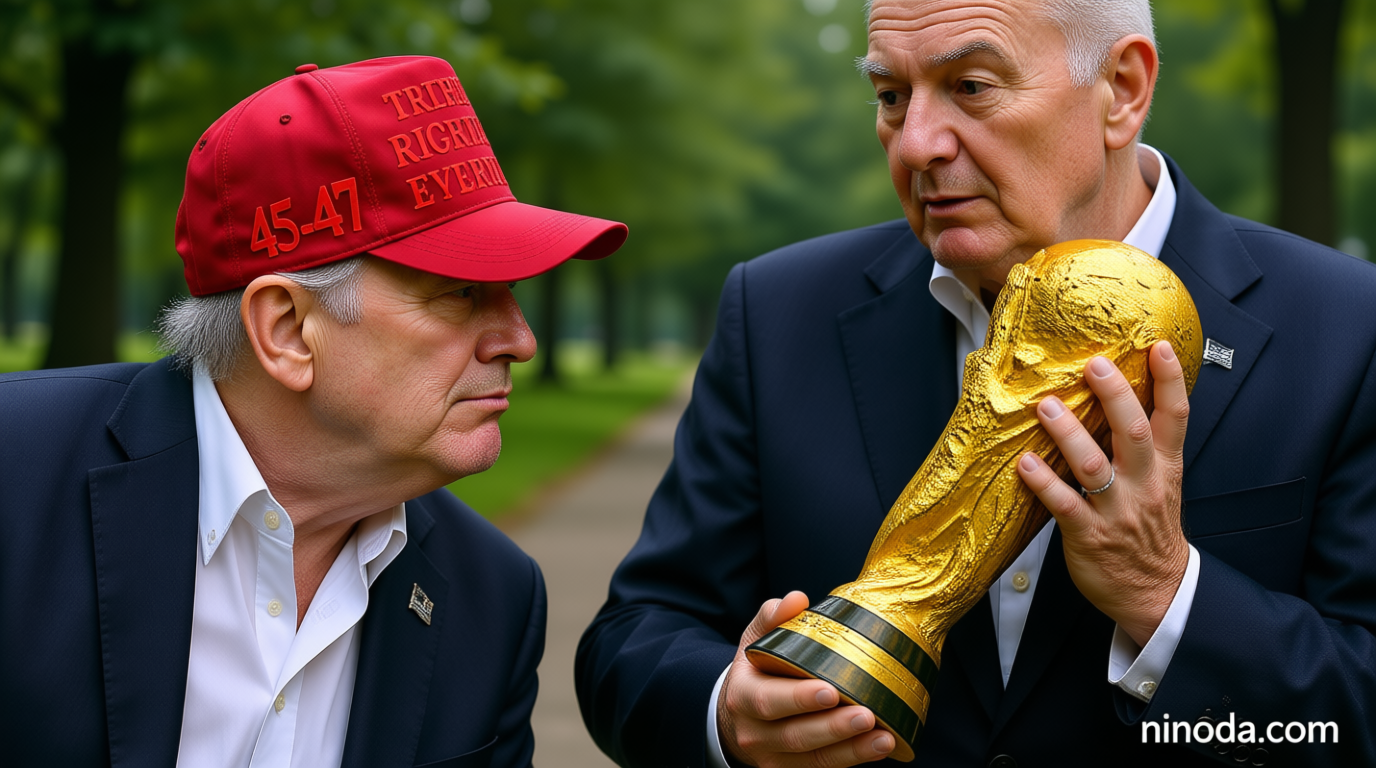
Ninoda.com – Fifa president Gianni Infantino called this summer’s World Cup “the greatest event humanity has ever seen,” celebrating the first pan-continental tournament across the United States, Mexico, and Canada. While the event is framed as a historic milestone in global football, its massive scale and political undertones have sparked debate. The 2026 edition, featuring 48 teams and 104 matches, is the most expensive and far-reaching competition to date, but not without controversy.
Controversies Beyond the Pitch
From ticket prices to security concerns and geopolitical tensions, the tournament has become a focal point for diverse issues. In Mexico City, the iconic Estadio Azteca will host the opening match, a venue set to mark history as the first to stage the World Cup’s start three times. Yet, the city’s stadiums face challenges, including cartel-related violence and protests that have toppled player statues. Teachers, demanding better wages, threatened to disrupt matches unless their demands were met.
Meanwhile, in the U.S., about 75% of matches will take place, raising questions about accessibility and affordability. The high cost of tickets has already drawn criticism, alongside security concerns in a country grappling with ongoing unrest. The tournament’s political dimensions are equally striking, as seen in Iran’s participation. The team, based in Tijuana, is a product of complex tensions, with the U.S. and Israel’s February military campaign influencing its route. A ceasefire in April eased some tensions, but hostilities have persisted.
“It was not appropriate for the team to participate for their own life and safety,” President Trump once stated, fueling speculation about Iran’s inclusion. His special envoy even proposed replacing Iran with Italy, which had failed to qualify. Despite this, Iran is set to compete in a fourth consecutive World Cup, though the country claims the U.S. denied visas to key personnel and restricted players’ movement.
A Legacy of Risk and Reward
The 2026 World Cup was awarded to the U.S., Mexico, and Canada in an effort to revive Fifa’s credibility after the 2010 corruption scandal. That year, Russia and Qatar were controversially chosen for 2018 and 2022, leading to allegations of bribery. Hosting in North America seemed less risky, with existing stadium infrastructure and a commercial powerhouse ready to fuel revenue. The tournament’s financial appeal, bolstered by multi-billion-dollar broadcasting deals, positions it as the most lucrative in history.
Yet, the expanded format has also brought new complexities. The first three-country World Cup introduces logistical challenges and cultural dynamics, with Iran’s games in Los Angeles set to highlight the growing Persian community. As the tournament unfolds, its success will depend not just on football, but on how it navigates these multifaceted challenges.