What can scientists learn from a stray SpaceX rocket hitting the Moon?

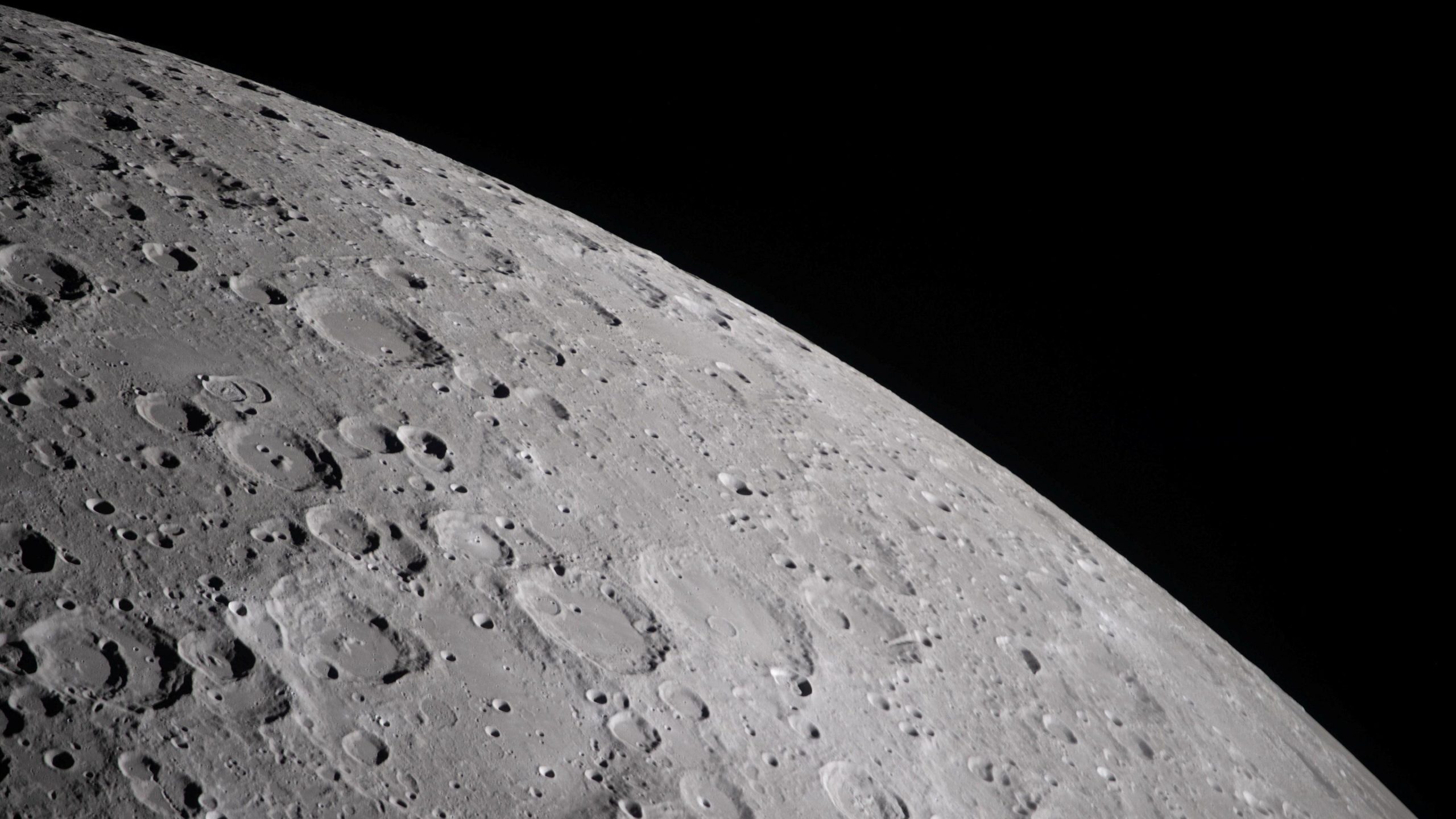
Table of Contents
Astronomers Study Rare Lunar Collision as SpaceX Rocket Crashes into Moon
Ninoda.com – Scientists are preparing to analyze a unique celestial event after an empty SpaceX rocket stage reportedly slammed into the Moon’s surface. The accidental impact near the Einstein crater has created what researchers call a “scientific gift” for planetary geologists studying lunar dynamics.
Details of the Impact
The Falcon 9 upper stage struck the Moon at approximately 5,400mph (8,700km/h) on Wednesday morning. The collision occurred at 07:35 BST (06:35 GMT), creating a brief but measurable flash that was difficult for observers to capture. Even with powerful telescopes, the event happened too quickly for most to witness.
The impact site sits within the Einstein crater, which spans over 180km (112 miles) across. A dust plume reportedly stretched as far as 100km (62 miles) following the collision, though this may have been challenging to spot since the event occurred during daylight hours for many regions.
How the Rocket Reached the Moon
The rocket component originally launched from Florida in January of last year. Its primary mission involved transporting two lunar landers beyond Earth’s orbit toward the Moon. Once the landers separated, the spent upper stage—weighing at least 4,000kg and comparable in size to a five-storey building—remained in space.
Over an 18-month period, gravitational forces from Earth, Moon, and Sun gradually altered the stage’s trajectory. Solar radiation pressure also contributed to this slow movement. Astronomers monitoring the object confirmed it was steadily approaching the Moon while gaining velocity each day.
Observation Challenges
Several factors made capturing the impact difficult. The flash lasted only a fraction of a second and occurred on the Moon’s sunlit side. Amateur astronomers watching from dark locations had minimal opportunity to see the event. Even spacecraft already orbiting the Moon were not optimally positioned for live viewing.
South Korea’s Danuri orbiter offered the best viewing opportunity, having passed near the crash location shortly before impact. According to Korean media reports, the mission team will release any captured footage only after thorough analysis is complete.
Scientific Significance
This collision provides researchers with an unprecedented controlled experiment. Because scientists know the rocket’s precise dimensions, velocity, and impact coordinates, they can test existing models of crater formation and debris distribution. The event allows verification of how impacts generate tremors throughout the Moon’s interior.
NASA’s Lunar Reconnaissance Orbiter will soon photograph the impact zone, enabling before-and-after comparisons. Image processing may require hours, days, or even weeks as scientists validate their data. The Einstein crater’s substantial size—over 180km wide—makes it large enough to potentially contain additional smaller craters within its boundaries.
Understanding debris patterns from this impact has practical applications for future lunar missions. Engineers can use this information to design safer landers and establish more resilient Moon bases. Material ejected from beneath the surface may also reveal new insights about the Earth-Moon system’s formation approximately 4.5 billion years ago.
Historical Context
This is not humanity’s first encounter with a man-made object striking the Moon. Since 1959, dozens of spacecraft have impacted the lunar surface, either intentionally or accidentally. The last confirmed accidental collision occurred in 2022. The Soviet probe Luna 2 holds the distinction of being the first human-made object to reach the Moon.
The 14-meter rocket traveling 385,000km from Earth represents another chapter in humanity’s exploration of our nearest celestial neighbor. Scientists anticipate that detailed analysis of this event will enhance our understanding of both lunar geology and impact mechanics for years to come.
Related Reading
Frequently Asked Questions
What is What can scientists learn from a stray?
What can scientists learn from a stray is the main topic of this guide. The article explains the context, practical details, and next steps readers should understand.
Why does What can scientists learn from a stray matter?
What can scientists learn from a stray matters because readers are looking for a useful answer, not just a short summary. Good content should match search intent and help them decide what to do next.