Tata Group Chairman N Chandrasekaran to step down in February

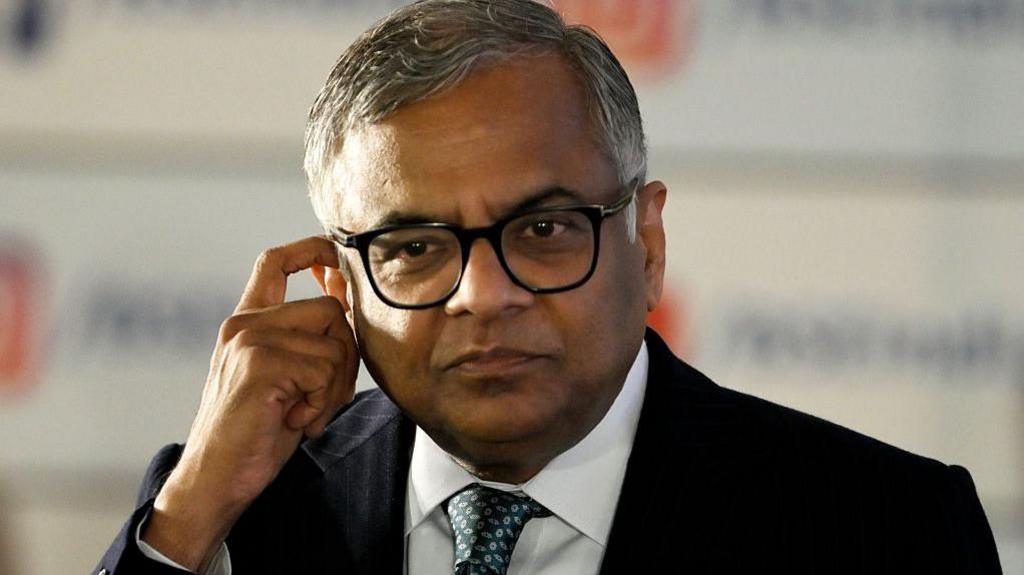
N Chandrasekaran to Step Down as Tata Group Chairman in February
Ninoda.com – N Chandrasekaran, the long-serving chairman of Tata Group, has announced that he will not seek reappointment when his current term concludes in February. The 63-year-old executive revealed that his decision followed the board of Tata Sons’ inability to reach consensus on a five-year extension of his leadership role. This announcement came months after the extension proposal was initially introduced, sending shockwaves through financial markets and raising questions about the future direction of the massive conglomerate.
Boardroom Tensions Behind the Resignation
The timing of Chandrasekaran’s departure, arriving just days before Tata Sons’ annual general meeting, highlights ongoing governance challenges within the organization. The Tata Group operates under a distinctive structure where Tata Trusts, a charitable foundation, holds a controlling 66% stake in Tata Sons, the group’s parent company. This arrangement has historically provided the conglomerate with significant tax and regulatory benefits while enabling extensive charitable initiatives across India.
However, experts note that this dual mission—balancing commercial objectives with charitable purposes—has occasionally created governance complexities. Tata Trusts maintains three representatives on the Tata Sons board, and recent reports indicate disagreements among board members regarding nominations, funding approvals, and potential public listing of Tata Sons. Despite these internal discussions, the group has maintained public silence about the nature of these disputes.
Strategic Challenges During Leadership Transition
The leadership transition comes at a critical juncture for Tata Group, which is navigating several major business initiatives. Most notably, the conglomerate is working to revitalize Air India, which it acquired from the Indian government in 2022. When Chandrasekaran’s extension proposal was presented to the board in February, he disclosed that at least one board member opposed the move, though he did not identify the individual.
“In the absence of unanimous support, I chose to defer the decision,” Chandrasekaran explained in his statement, noting that no resolution had been reached even six months later. He emphasized the importance of leadership clarity during this period: “Tata Sons is a very large institution and there are many strategic projects that are under critical stages of execution. It is not only necessary to have a leader in place to lead the Group beyond Feb 2027, but also clarity on leadership is important for employees, investors, partners and other stakeholders.”
“However, they have six months to find a good successor,” said Ambareesh Baliga, an independent market analyst, adding that he expects the next leader to be chosen from within the group.
Chandrasekaran’s journey with Tata began in 1987, earning him recognition as a “Tata lifer” when he was appointed chairman in 2017. He succeeded Cyrus Mistry, whose sudden removal from the chairman position had sparked a prolonged legal battle. Prior to becoming group chairman, Chandrasekaran served as CEO and managing director of Tata Consultancy Services, the conglomerate’s globally recognized IT services division.
Market reaction to the announcement was immediate, with shares of various Tata-listed companies experiencing significant declines. Ambareesh Baliga, an independent market analyst, commented on the predictable market response: “When a person with Chandrasekaran’s stature stepped down like this, it was inevitable that the markets would react negatively.”
Looking Ahead: What Comes Next for Tata Group?
The conglomerate now faces the challenge of identifying and onboarding a new chairman within the next six months. Industry observers suggest that the successor will likely emerge from within Tata’s existing leadership ranks, given the organization’s preference for internal promotions and the complex governance dynamics at play.
For more updates on Tata Group developments, readers can follow BBC News coverage of Indian business.
Frequently Asked Questions
When does N Chandrasekaran’s term as Tata Group Chairman end?
N Chandrasekaran’s current term as chairman of Tata Group concludes in February 2027. He announced he would not seek reappointment after the board failed to reach consensus on extending his position for another five years.
Why is Tata Group’s structure considered unique?
Tata Group operates under a distinctive governance model where Tata Trusts, a charitable foundation, owns 66% of Tata Sons, the group’s parent company. This arrangement provides tax advantages and enables extensive charitable activities while maintaining commercial operations.
What major business initiatives is Tata Group currently undertaking?
Tata Group is focused on several strategic projects, most notably the revival of Air India, which it acquired from the Indian government in 2022. The conglomerate is also considering a potential public listing of Tata Sons.
Who is expected to succeed N Chandrasekaran?
Industry analysts, including Ambareesh Baliga, believe the next chairman will likely be selected from within Tata Group’s existing leadership, given the organization’s tradition of internal promotions and the complex governance considerations involved.