
Largest maternity review in NHS history to be published

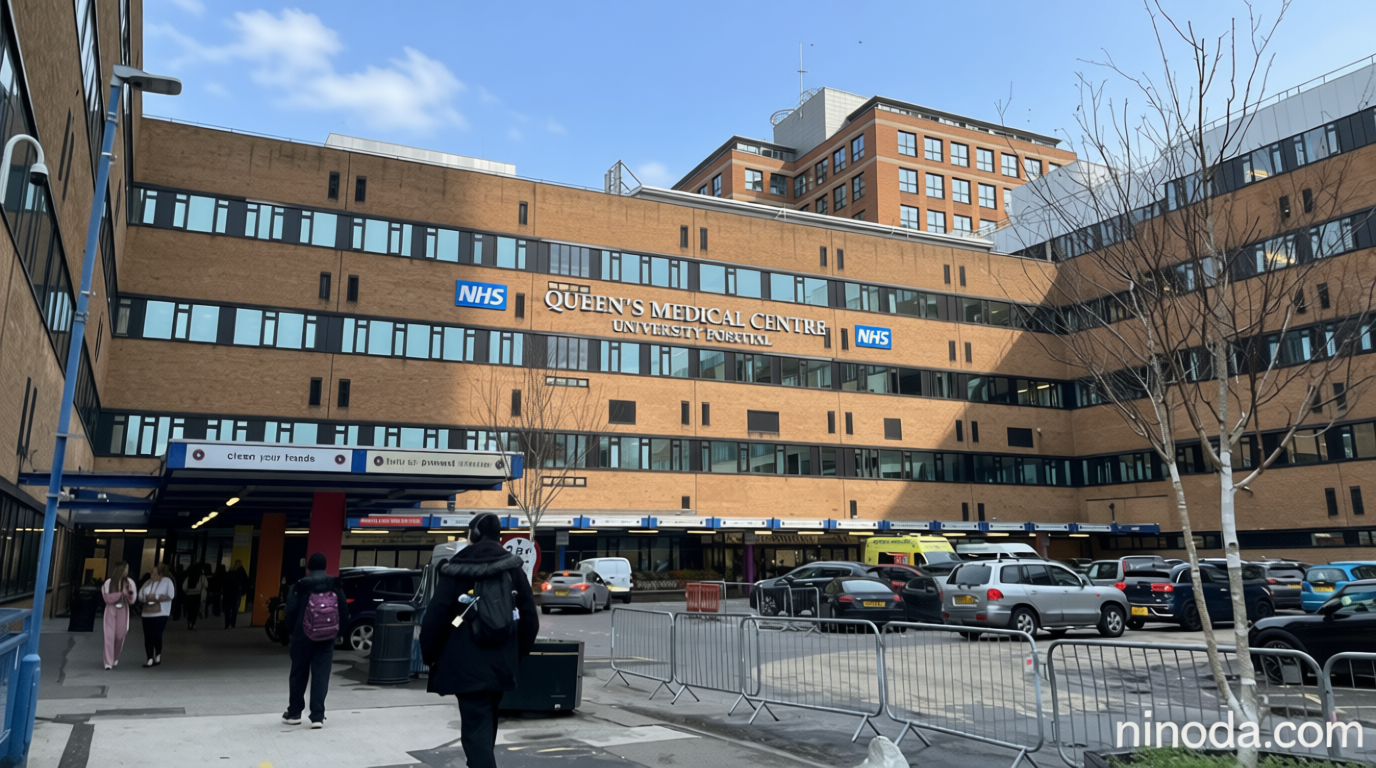
Largest Maternity Review in NHS History to Be Published
Ninoda.com – The NHS is set to publish its most comprehensive maternity review to date, a landmark inquiry examining critical failures within Nottingham University Hospitals (NUH) Trust that has drawn significant attention. This historic review, which has gathered input from over 2,500 families and more than 800 staff members, aims to investigate systemic issues leading to preventable harm and infant deaths. Launched in September 2022, the review is led by senior midwife Donna Ockenden and is expected to provide a detailed analysis of the Trust’s shortcomings. The focus of this inquiry is not only to uncover the root causes of the failures but also to establish a framework for long-term improvements in maternity care across the NHS.
Parallel Police Inquiry Into Maternity Services
As the NHS maternity review unfolds, Nottinghamshire Police continues its criminal investigation into the Trust’s services, which has been ongoing since June 2025. This parallel probe seeks to determine whether manslaughter charges could apply in cases where avoidable harm occurred. The review and police inquiry are examining two key units within the Trust: Nottingham City Hospital and the Queen’s Medical Centre. Recent arrests under Operation Perth have targeted individuals suspected of misconduct in public office, particularly related to mortuary practices. These individuals were released on bail with strict conditions, highlighting the gravity of the situation.
Families Advocate for Systemic Change
Among the families affected by the Trust’s failures are the Hawkins, whose daughter Harriet died stillborn in April 2016 at City Hospital. The initial hospital review cited an infection as the cause, but the couple, both working at the Trust, questioned this conclusion and pushed for an independent assessment. The subsequent review, published in January 2019, concluded that Harriet’s death was “almost certainly preventable.” This finding has sparked a broader call for accountability, with the Hawkins family now advocating for a statutory public inquiry to address the systemic issues that contributed to their loss.
“How on earth have we allowed it that there are 1,000 avoidable baby deaths in this country every year and, in a particular place, there are this many schools’ worth of children missing or damaged beyond belief, and dead mums and damaged mums?”
Jack Hawkins, 57, a hospital consultant at the time of the incident, expressed frustration over the repeated failures in maternity care. His wife, Sarah, 43, a senior physiotherapist, emphasized the emotional toll of the events, stating: “Every single aspect of life was changed. I know a lot of Nottingham families just want some form of justice, to clear their children’s name, and to know that the harm that was caused wasn’t their fault.” Their advocacy has become a symbol of the broader movement for reform within the NHS maternity system.
Stillbirth Cases and Financial Implications
Another family impacted by the Trust’s negligence is the Andrews, who lost their daughter Wynter just 23 minutes after birth in 2019. The hospital was later fined £800,000 in January 2023 for admitting errors in Wynter’s and another patient’s treatment. Gary Andrews, 38, called for the review to act as a wake-up call, stating: “We should have never had to fight in the first place and actually we should not be doing it now. We shouldn’t have to be doing this.” The review has already resulted in millions in compensation and fines, including a £1.6m penalty for three baby deaths in 2021, underscoring the financial and reputational impact of the Trust’s failures.
Broader Implications for NHS Maternity Care
The publication of the largest maternity review in NHS history is expected to have far-reaching implications for the entire healthcare system. It will not only shed light on the specific issues at Nottingham University Hospitals but also serve as a benchmark for evaluating maternity care standards nationwide. The findings are likely to influence policy changes, training programs, and resource allocation to prevent similar incidents. With the Trust’s case being one of the most extensive, the report aims to provide actionable insights that can be applied to other NHS trusts facing similar challenges. The review’s results are anticipated to spark a renewed focus on patient safety and transparency in maternity services, marking a pivotal moment for the NHS.