Vapes to have less enticing names to protect children, under UK plans

Vapes to Have Less Tempting Names to Protect Children, Under UK Plans
Ninoda.com – Under new UK government proposals, vaping products will be required to adopt less enticing names to deter children from experimenting with nicotine consumption. This initiative, part of a broader effort to curb youth vaping trends, introduces measures such as plain packaging for vapes and restrictions on appealing flavor descriptions. The plan, announced through a 100-day consultation, aims to reduce the attractiveness of vaping products to young people, with Health Secretary James Murray underscoring the importance of these changes in safeguarding the next generation from nicotine addiction.
Proposed Rules and Branding Restrictions
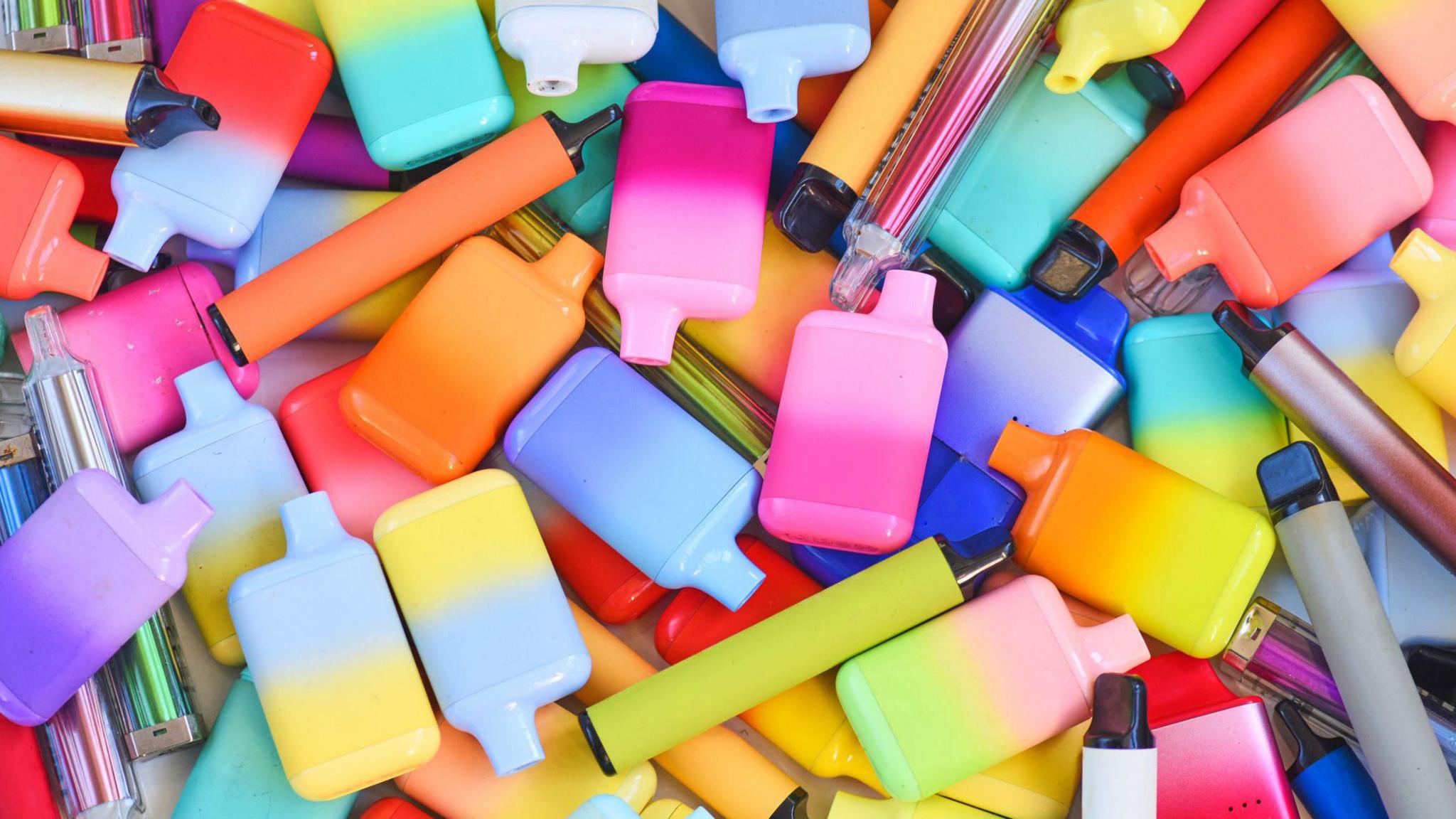
The proposed regulations will mandate that vape packaging feature neutral, unadorned designs, eliminating vibrant colors, cartoon characters, and other visually stimulating elements that may entice children. Additionally, names of vape products will be restricted from using terms associated with sweets, desserts, or alcoholic beverages, such as “Blueberry Breeze” or “Mint Chocolate.” These measures are designed to create a more uniform appearance for vaping products, making it harder for young consumers to be swayed by colorful branding. Murray emphasized that while vapes are a less harmful alternative to cigarettes and can aid adult smokers in quitting, they must not be marketed in ways that make them seem appealing to children.
“The evidence is clear: too many young people are drawn to vapes by their variety of flavors, bright colors, and eye-catching displays. We must act now to diminish their appeal to children,” said Murray.
Impact of the Policy and Additional Measures
The initiative follows the implementation of the Tobacco and Vapes Act, which has already introduced significant changes to tobacco regulation. This act includes a ban on tobacco sales to those born after 1 January 2009, effectively ensuring that no one born in the 21st century will purchase cigarettes. The proposed vaping name restrictions are part of an expanded strategy to achieve a smoke-free generation, with further measures potentially including bans on vaping in vehicles with children, playgrounds, and areas near schools and hospitals. These additional steps aim to create environments where vaping is less accessible to minors, reinforcing the message that nicotine consumption should be avoided at a young age.
Experts have welcomed the move, citing studies that demonstrate the effectiveness of similar strategies in reducing youth smoking rates. For instance, plain packaging for cigarettes in Australia led to a measurable decline in smoking among adolescents. The UK’s Department of Health argues that these changes will help normalize vaping as a tool for quitting smoking while making it less likely that children will perceive it as a trendy or desirable product. The consultation also includes proposals to add quit-smoking resources inside cigarette packs, further supporting adults who wish to transition away from tobacco.
According to Action on Smoking and Health, over one million 11-17 year olds in Great Britain tried vaping in 2025, highlighting the urgent need for intervention. The government’s focus on renaming vapes reflects growing concerns about the role of marketing in influencing young people’s habits. While some critics argue that flavored vapes are not inherently harmful, supporters of the policy believe that reducing the allure of product names will make it easier for parents and educators to identify and discourage youth vaping. The consultation period allows stakeholders to provide feedback before the final rules are implemented, ensuring a balance between regulation and industry innovation.
These measures are part of a global trend toward stricter vaping regulations, with countries like France and Canada already implementing similar restrictions. The UK’s plan aligns with international efforts to address the rising popularity of vaping among children, who are often drawn to the novelty and variety of flavors. By making vape names less enticing, the government hopes to create a clearer distinction between smoking and vaping, particularly for young consumers who may not fully understand the health risks associated with nicotine. The 100-day consultation will evaluate the effectiveness of these changes and may lead to further adjustments in the coming months.
As the consultation progresses, the government will seek public input to refine the policy. This includes gathering opinions from parents, teachers, healthcare professionals, and the vaping industry itself. The goal is to develop regulations that are both effective and fair, ensuring that vapes remain a useful tool for adult smokers while minimizing their appeal to children. With the proposed name restrictions and packaging changes, the UK aims to set a new standard for nicotine product marketing, reinforcing its commitment to protecting public health and reducing the long-term impact of vaping on youth populations.