
Bowen: Iran deal ends Trump’s war that revealed limit of US dominance

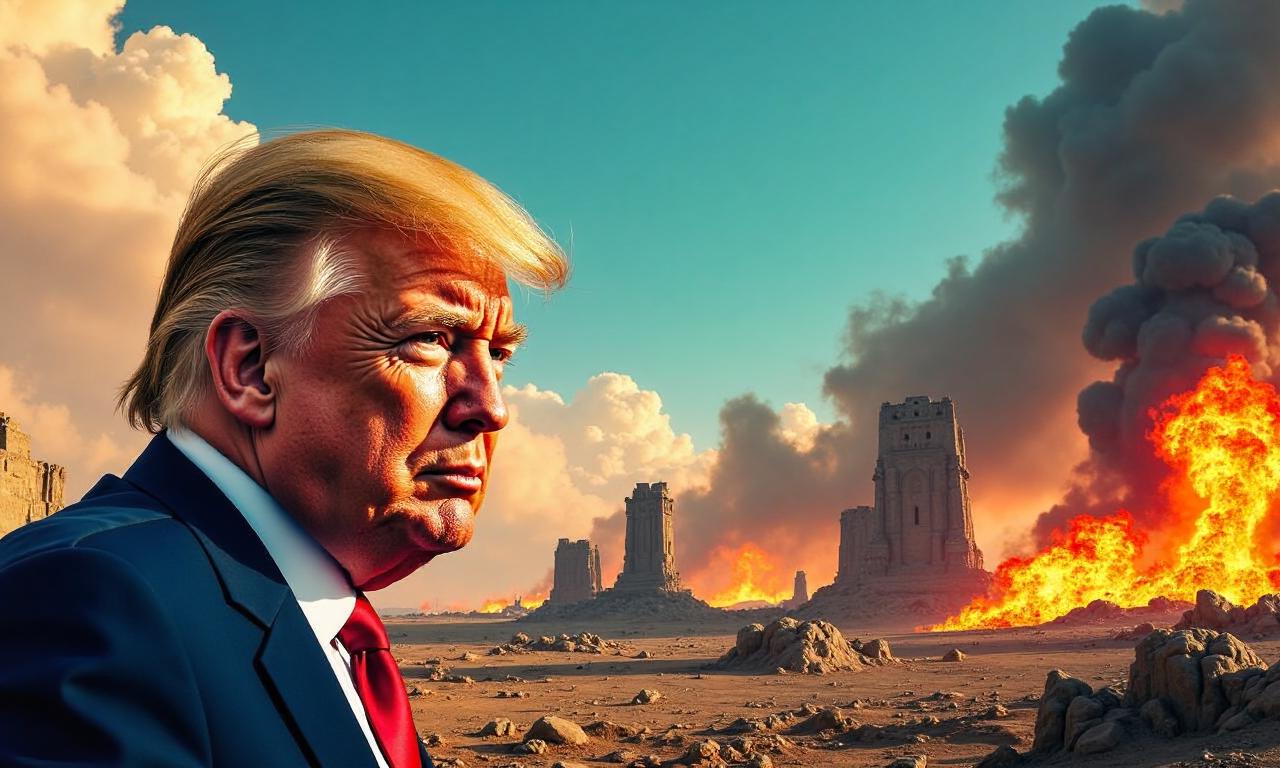
Bowen: Iran Deal Concludes Trump’s War, Highlighting US Power Limits
Ninoda.com – Bowen – President Donald Trump’s war has emerged as his most significant foreign policy misstep thus far, according to analysis. The conflict not only weakened the United States’ ability to deter adversaries but also strained key partnerships with Gulf Arab monarchies. These nations, which rely on oil exports to maintain stability in a volatile region, now face prolonged efforts to recover from the damage inflicted by the war. Officials in these countries have already begun considering shifting their strategic focus away from sole reliance on the U.S.
Private discussions among Gulf leaders indicate a growing urgency to diversify their international ties. The war exposed the limitations of American military dominance, prompting concerns over the sustainability of its regional influence. China, in particular, has been observing the situation closely as the U.S. depleted its stockpiles of advanced weaponry. The recent agreement, assuming no last-minute obstacles, marks the end of a conflict fueled by misjudged perceptions of Iran’s capabilities in Tehran.
A Sigh of Relief for Civilians
For those directly affected, the agreement brings a sense of respite. Thousands of lives were upended by the war, with homes and businesses destroyed across the Middle East. The disruption of oil and gas shipments through the Strait of Hormuz threatened global supply chains, risking food shortages in impoverished regions like Africa south of the Sahara. Reopening the strait, as Trump emphasized, alleviates economic strain on millions of people worldwide.
“The memorandum of understanding clears the way for nuclear negotiators to reconvene and for ships to transit the strait.”
While the agreement is not a comprehensive peace accord, it includes critical measures such as extending the ceasefire and lifting the U.S. Navy’s blockade of Iranian ports. The full text, yet to be published, outlines 14 points across two pages. These steps, however, leave unresolved tensions, with future negotiations expected to tackle Iran’s nuclear program and the extent of sanctions relief.
The War’s Origins
Turning back the clock to 27 February, the conflict began as American and Israeli forces prepared for strikes. Aircraft were armed, crews briefed, and missile targets programmed. Meanwhile, in Geneva, Iran and the U.S. engaged in talks aimed at shaping Iran’s nuclear ambitions. Iranian negotiators viewed these discussions as serious, offering both concessions and demands during the process.
On 28 February, the war erupted with Israel targeting Iran’s Supreme Leader, Ayatollah Ali Khamenei, and his advisors. Simultaneously, an American airstrike obliterated a school in Minab, southern Iran, killing over 150 civilians—120 of whom were schoolchildren, predominantly girls under 12. Both Trump and Israeli Prime Minister Benjamin Netanyahu issued public statements, framing the conflict as a swift and decisive operation. Yet, their predictions of regime collapse proved inaccurate, as the war instead solidified Iran’s leadership.
A New Era in Tehran
The survival of Iran’s regime under attack has emboldened its hardline factions. Khamenei was swiftly replaced by his son Mojtaba as supreme leader, while a younger generation of commanders—dominated by Islamic Revolutionary Guards Corps leaders—assumed control. Though ideologically steadfast, these leaders are more willing to take risks, viewing the conflict as a battle for the regime’s survival. Their strategy of closing the Strait of Hormuz and targeting Iran’s neighbors, U.S. forces, and Israel itself reached its peak during the war.
As the dust settles, the agreement symbolizes a turning point. It not only halts the immediate crisis but also repositions the U.S. and Iran toward renewed dialogue, despite lingering challenges on the horizon.