Burnham pulls back on suggestion to increase income tax allowance

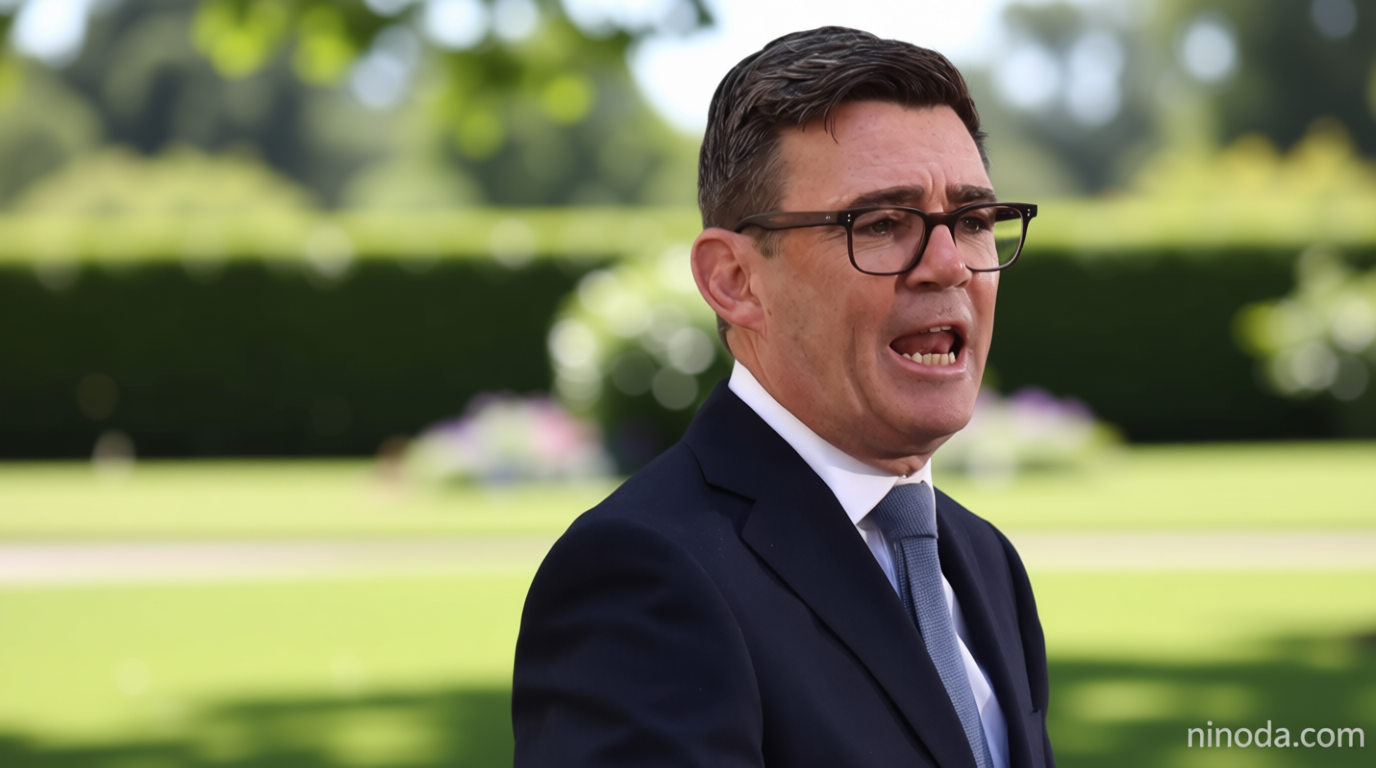
Table of Contents
Burnham pulls back on suggestion to increase: Burnham Pulls Back on Suggestion to Raise Income Tax Allowance Ninoda.com – Andy Burnham has pulled back
Burnham Pulls Back on Suggestion to Raise Income Tax Allowance
Ninoda.com – Andy Burnham has pulled back from his earlier suggestion to increase the income tax personal allowance, clarifying that the proposal was not yet part of his government’s immediate plans. The prime minister made the clarification after telling the Times newspaper over the weekend that public frustration about the personal allowance threshold had been “lodged in my mind” during his recent campaigning in the Makerfield by-election. The current £12,570 threshold has remained frozen since 2021, meaning more workers are being pushed into higher tax brackets as their earnings grow over time.
Financial Constraints Shape Policy Direction
When questioned by reporters on Monday, the prime minister acknowledged that the matter would be examined more thoroughly in the upcoming budget. However, he conceded that any adjustment would prove costly and would be “difficult given the financial circumstances in which we find ourselves.” Sources close to Burnham subsequently confirmed to BBC News that modifying the personal allowance sits outside his initial strategy for addressing the cost of living crisis facing British households.
“We’ve got to show fiscal discipline. We’ve got to show that our commitment to the fiscal rules is real and we’re prepared to make difficult decisions in relation to that,” Burnham told his cabinet during his first meeting as prime minister.
The prime minister has pledged to honour Labour’s 2024 manifesto commitments, which explicitly ruled out raising the basic, higher, or additional rates of income tax. This commitment effectively eliminates the possibility of increasing the top rate of income tax to help fund a higher personal allowance. According to estimates from the Institute for Fiscal Studies, unfreezing the threshold could generate an annual cost of between £8.5 billion and £9 billion.
Burnham explained on Monday that his comments were intended to demonstrate awareness of the issue and its impact on ordinary people. He reiterated that the matter would receive proper attention in the Budget, while emphasising the challenging economic backdrop. Government officials told the Telegraph on Tuesday that there were currently “no plans” to introduce any modifications to the £12,570 personal allowance “in the short term.”
Meanwhile, Burnham has instructed his cabinet that he wishes to lead what he described as a “cost of living government.” To achieve this objective, ministers have been encouraged to be “prepared to reprioritise” how they distribute their departmental budgets. On Tuesday morning, the prime minister unveiled a reduction in VAT on household electricity bills, effective from 1 October. This measure is projected to save a typical household approximately £45 annually, with the estimated £850 million cost being covered by cancelling Sir Keir Starmer’s digital ID scheme.
The funding mechanism has already faced scrutiny from former Chief Secretary to the Prime Minister, Darren Jones, who argued that the Digital ID programme was never allocated funding in the first place. “The government will have to set out how it will pay for its new policies at the budget,” Jones wrote on X. The prime minister’s spokesman maintained that the policy would be financed by redirecting “savings” identified by various departments to cover the ID scheme expenses.
Burnham has indicated that additional measures will be revealed later this week to provide further relief for working Britons facing financial pressure. On Wednesday, he is anticipated to announce a reduction in the national cap on bus fares across England outside London, lowering the maximum from £3 to £2. This change is scheduled to take effect in January and represents another step in the government’s broader strategy to ease living costs for ordinary families.
Related SEO Topics
Frequently Asked Questions
What is Burnham pulls back on suggestion to increase?
Burnham pulls back on suggestion to increase is the main topic covered in this article, with practical context to help readers understand the subject clearly.
Why does Burnham pulls back on suggestion to increase matter?
Burnham pulls back on suggestion to increase matters because it helps readers compare options, avoid common mistakes, and make a more informed decision.
How should readers use this Burnham pulls back on suggestion to increase guide?
Use the key points, examples, and related links in this page as a starting point, then review the latest details before making a final decision.