UK humanitarian worker monitored for Ebola in London hospital

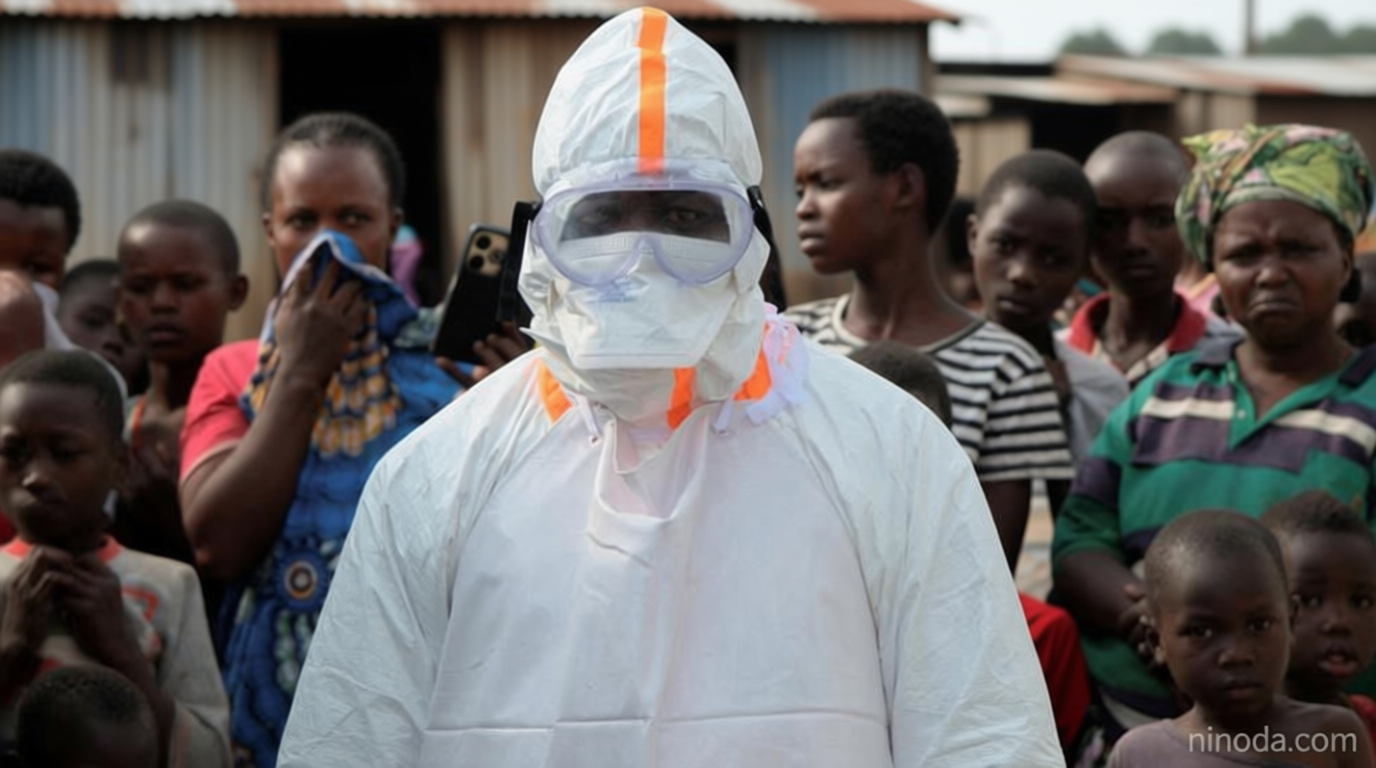
Table of Contents
British Aid Professional Under Surveillance for Ebola in Capital Hospital Ninoda.com – A UK humanitarian worker monitored for Ebola has been admitted to
British Aid Professional Under Surveillance for Ebola in Capital Hospital
Ninoda.com – A UK humanitarian worker monitored for Ebola has been admitted to a London medical center as a precautionary measure following potential exposure to the deadly virus during service in the Democratic Republic of Congo. The individual, representing a British aid organization, remains completely symptom-free and is in stable condition according to health authorities. This transfer represents a standard preventive protocol rather than an indication of active infection.
Medical professionals at the London facility are conducting comprehensive assessments to ensure the worker’s safety. While officials have not confirmed which specific hospital is housing the patient, the Royal Free Hospital in north London operates one of the nation’s premier high-level isolation units and serves as the primary destination for managing high-consequence infectious diseases in the United Kingdom.
How Ebola Spreads and Symptoms
The Ebola virus poses a serious health threat, though its transmission mechanism differs significantly from airborne illnesses like influenza or coronavirus. Rather than spreading through respiratory droplets, Ebola requires direct physical contact with infected bodily fluids from an affected person. Initial manifestations appear suddenly and closely mimic common conditions such as flu or malaria, presenting with fever, severe headaches, and profound fatigue. As the disease progresses, patients develop vomiting and diarrhea, which may escalate to organ failure. Some individuals experience both internal and external bleeding, though this symptom does not affect every case.
The incubation period ranges from two to twenty-one days, which explains why the evacuated worker must remain in controlled isolation throughout this timeframe. During this monitoring window, medical staff will track vital signs and watch for any emerging symptoms that could indicate infection.
The risk to the general public remains low. This individual has been transferred out of an abundance of caution, and we’re pleased they remain well.
— Richard Pebody, director of epidemic and emerging infections at UKHSA
Current Outbreak Data and Historical Context
At present, the United Kingdom has recorded zero confirmed Ebola cases. Historical records indicate three documented instances between 2014 and 2015, all involving healthcare professionals who returned from West Africa. Each patient successfully recovered, and notably, no secondary transmission occurred within the country during that period.
According to the World Health Organization, the Democratic Republic of Congo government documented 2,423 confirmed Ebola cases since the outbreak commenced in mid-May. The death toll stands at 967 fatalities, while 469 patients have achieved recovery. Uganda has separately reported twenty confirmed cases and two deaths within its borders.
This ongoing outbreak originates from the Bundibugyo strain of Ebola. Distinguishing itself from other strains, no vaccine currently exists for this particular species, though multiple candidates are actively under development. WHO Director-General Dr Tedros Adhanom Ghebreyesus has described it as the third-deadliest outbreak in recorded history.
The affected UK humanitarian worker monitored for Ebola had been employed by an organization providing critical support for Ebola response efforts in the affected region. Health officials continue to monitor the situation closely as part of standard protocol for anyone potentially exposed to the virus.
Related SEO Topics
- Home
- Artikel terkait UK humanitarian worker monitored for Ebola
- Burnham pulls back on suggestion to increase income tax allowance
- Progress or standing still – where are England under Borthwick?
- Sunrisers thrash MI London in Hundred opener
- ‘Pressure is intense and scrutiny constant’ – referee Taylor retires
Frequently Asked Questions
What is UK humanitarian worker monitored for Ebola?
UK humanitarian worker monitored for Ebola is the main topic covered in this article, with practical context to help readers understand the subject clearly.
Why does UK humanitarian worker monitored for Ebola matter?
UK humanitarian worker monitored for Ebola matters because it helps readers compare options, avoid common mistakes, and make a more informed decision.
How should readers use this UK humanitarian worker monitored for Ebola guide?
Use the key points, examples, and related links in this page as a starting point, then review the latest details before making a final decision.