Can Burnham’s casual style survive contact with No 10?

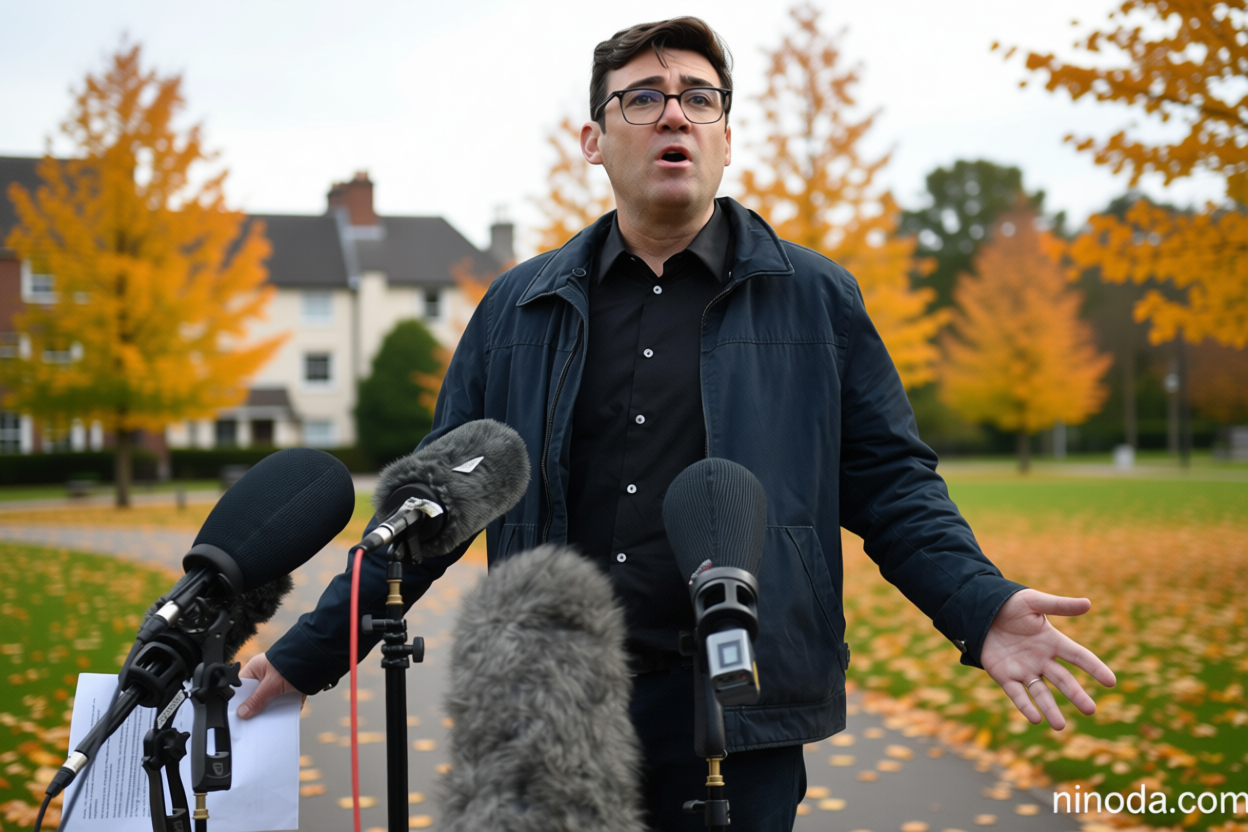
Can Burnham’s Casual Style Survive in the Crucible of National Leadership?
Ninoda.com – As Andy Burnham prepares to take on the role of Prime Minister, the question of whether his relaxed, unorthodox style can withstand the demands of high-stakes political leadership has become a topic of widespread discussion. His transition from Greater Manchester mayor to the national stage has already sparked debates about how his appearance might influence public perception, especially in the formal environment of No 10 Downing Street. Burnham’s reputation for a casual, approachable aesthetic—often described as a blend of “smart-Manc” charm and modern simplicity—has been both a hallmark of his personal identity and a point of contention for some critics who argue that his wardrobe choices may not align with the gravity of the office.
A Reflection of Identity or a Strategic Choice?
Burnham’s sartorial approach has long been a defining feature of his public image. Known for his preference for dark T-shirts, relaxed trousers, and minimalist sneakers, his style contrasts sharply with the polished, buttoned-up norms of Westminster. This deliberate choice has earned him praise for bridging the gap between politicians and the everyday voter, yet it also invites scrutiny when he enters the hallowed halls of power. The debate is not merely about aesthetics—it’s about how his visual identity might shape his credibility and authority in a role that demands both.
“Burnham’s style is a deliberate strategy to humanize his image. He understands that a casual look can foster relatability, but he’ll need to balance that with the seriousness of the position,” explains Emma Finamore, a fashion journalist at Drapers Magazine. Her perspective highlights the dual nature of his approach: a nod to his roots in Manchester’s working-class culture and a calculated effort to appeal to a broader electorate. This duality is central to the question of whether his casual style can endure the rigidity of national office.
From Local Icon to National Figure
Burnham’s journey from Manchester’s mayor to the Prime Minister’s office has been marked by a gradual shift in his sartorial choices. While his early public appearances were often accompanied by a signature Harrington jacket and high-street staples like Uniqlo polos, his recent attire has leaned more toward formal suits and ties. This change is not entirely unexpected—political leaders often adapt their appearance to fit the expectations of their new role—but it raises questions about the extent to which Burnham is compromising his personal brand for institutional credibility. His iconic Howick jacket, worn during heated debates on lockdowns, now serves as a symbol of his past, while his current look signals a readiness to engage with the nation’s most pressing challenges.
His casual style has been a source of both admiration and skepticism. Supporters argue that it reflects his down-to-earth personality and commitment to accessibility, while detractors claim it lacks the gravitas required for national leadership. As he moves into No 10, the challenge will be to maintain this balance, ensuring that his wardrobe remains a tool for connection rather than a barrier to perceived authority. The success of his style will depend on how effectively he can integrate his personal flair with the expectations of the political elite.
Tradition vs. Innovation in Parliamentary Dress Codes
The House of Commons, with its long-standing tradition of formal attire, has become a testing ground for Burnham’s style. While the previous Speaker, John Bercow, allowed some flexibility in dress codes, the current Speaker, Sir Lindsay Hoyle, has emphasized stricter adherence to professional norms. This shift in protocol has led to public comments questioning whether Burnham’s casual approach will be seen as a breach of decorum. During a summer press event, Hoyle humorously noted: “King of the North or not, unless Andy Burnham swaps his dark T-shirt for a shirt and tie, in my Kingdom, he’s not going to get called.” Such remarks underscore the tension between Burnham’s relaxed image and the expectations of the Westminster establishment.
However, Burnham’s ability to adapt without losing his essence remains a key factor. His early career in Parliament saw him dressed in the traditional suits of the time, but his departure from Westminster allowed him to redefine his appearance. Now, as he faces the scrutiny of national office, the challenge is to preserve the qualities that made his style effective at the local level while navigating the more formal expectations of the national stage.
Global Perspectives on Political Attire
Burnham’s sartorial choices are part of a larger conversation about how clothing shapes political leadership. Leaders like Volodymyr Zelensky, whose military-inspired outfits during the Ukraine war conveyed strength and solidarity, and Margaret Thatcher, whose tailored suits projected power and control, illustrate the role of fashion in projecting authority. Harold Wilson’s practical, pipe-smoking look, by contrast, symbolized the down-to-earth ethos of 1960s socialism. Burnham’s approach falls somewhere in between—modern yet professional, relaxed yet respectful.
His style may also serve as a bridge between different generations of voters. While older audiences might associate formal attire with reliability, younger demographics often value authenticity and a more approachable presence. The question remains: will his casual look be seen as a strength in a country increasingly divided by political and social divides, or will it be viewed as a weakness in a time of heightened expectations for national leadership?
Assessing the Impact of Style on Political Legitimacy
As Burnham navigates the complexities of No 10, his style will be a constant undercurrent in public discourse. While his wardrobe may not directly influence policy outcomes, it does shape the narrative around his leadership. The contrast between his Manchester roots and the grandeur of Downing Street offers a unique opportunity to redefine what it means to be a modern political leader. Critics may argue that his casual aesthetic lacks the polish required for national office, but supporters see it as a refreshing departure from the rigid conventions of traditional politics.
Ultimately, the success of Burnham’s style in the national spotlight will depend on how well it aligns with the public’s perception of his competence and character. Whether he embraces the formal requirements of the office or maintains his “Manchester clothes” identity, his wardrobe choices will remain a topic of debate. In a world where visual branding is as important as policy-making, the answer to the question of his casual style’s survival will be as much about image as it is about substance.