Chris Mason: Burnham is fifth PM in four years – now he’ll try to buck the trend

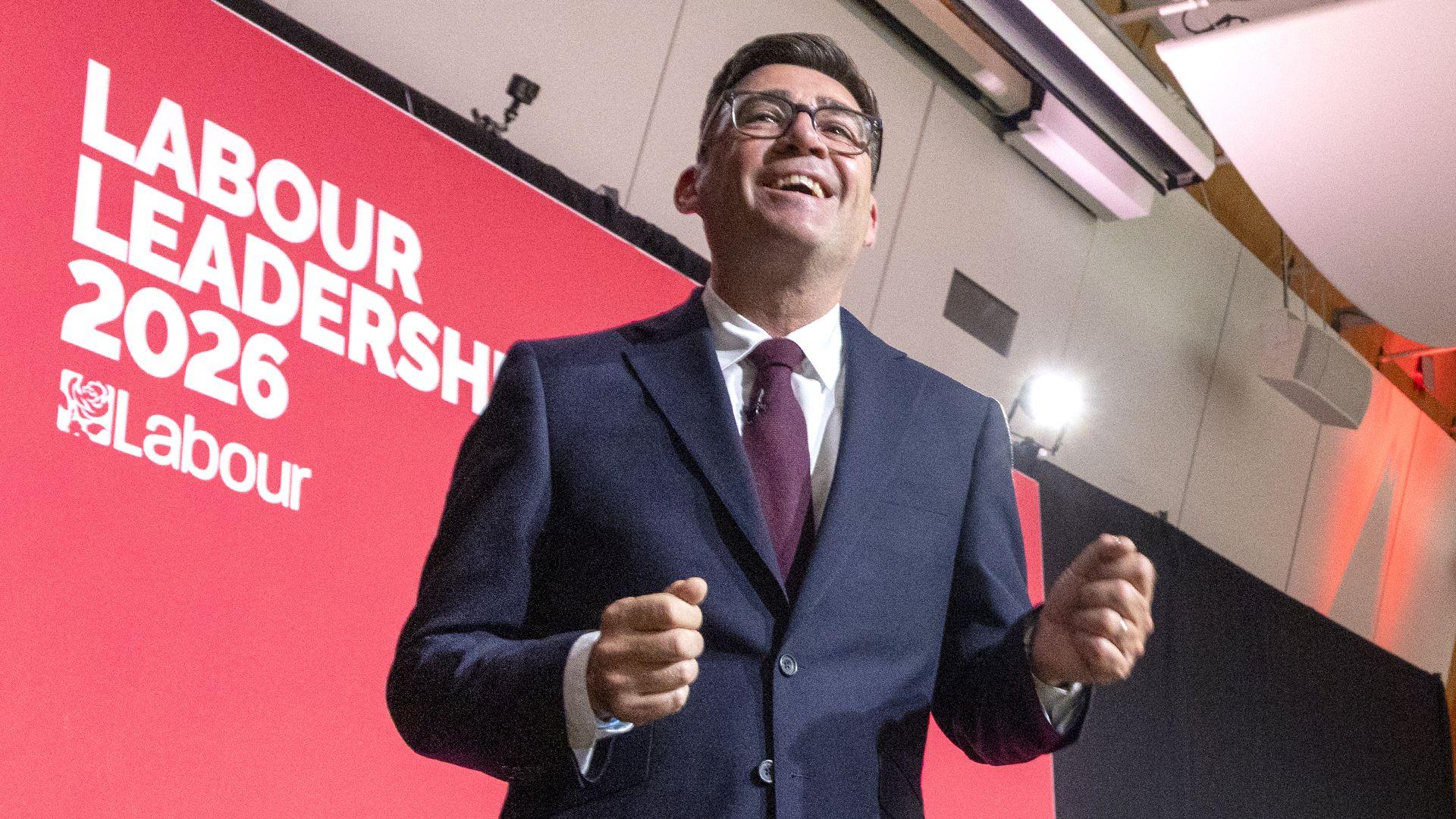
Chris Mason: Burnham Faces Challenge to Stabilize UK Politics
The Political Turmoil
Ninoda.com – In an era of political uncertainty, Chris Mason examines the UK’s latest leadership change, marking the fifth prime minister in just four years. This rapid succession highlights the fragility of contemporary governance, with voters increasingly demanding decisive action amid economic instability and social unrest. The transitions from Boris Johnson to Liz Truss, then Rishi Sunak, and finally Keir Starmer have created a sense of unpredictability, with each leader facing unique challenges that often led to abrupt departures.
Chris Mason notes that Burnham’s rise to power reflects a broader shift in public sentiment, as many seek a leader who can deliver long-term solutions rather than short-term fixes. His leadership, however, will be tested by the legacy of his predecessor, Sir Keir Starmer, whose policies on immigration, healthcare, and child poverty laid the groundwork for the current administration. The question remains: can Burnham sustain this momentum or will he face the same pressures that led to the frequent changes in leadership?
Burnham’s Vision for Governance
Chris Mason highlights Burnham’s emphasis on regional governance, drawing from his experience as mayor of Greater Manchester. This approach could signal a departure from the national focus of previous administrations, potentially allowing for more localized decision-making. However, the House of Commons and ceremonial duties at the Palace of Westminster will require him to balance regional priorities with national responsibilities, a task that may prove complex.
“People’s Question Time,” a term used by an ally, underscores Burnham’s commitment to direct engagement with the public. This strategy aims to rebuild trust in the political process, a critical need following years of public skepticism. Chris Mason suggests that Burnham’s informal style, which includes eschewing a lectern during his first address, may resonate with voters eager for a more approachable leader.
The Transition Process
Chris Mason details the formal steps of Starmer’s departure, which will take place at his country retreat in Buckinghamshire. After delivering a farewell speech, he will meet the King at Buckingham Palace to officially hand over power. This ceremonial transition is expected to be brief, allowing Burnham to swiftly assume his role and begin implementing his agenda. The Prime Minister’s office will likely highlight key achievements, such as reducing immigration levels and lowering NHS waiting times, to solidify Starmer’s legacy.
As the transition unfolds, Chris Mason observes that the focus will shift to Burnham’s team, particularly the appointment of ministers responsible for critical areas like artificial intelligence and economic reform. The composition of the Cabinet will be scrutinized for its potential to address the nation’s pressing concerns, with analysts noting that Burnham’s leadership style may influence the direction of future policies.
Public and Political Reactions
Chris Mason reports that public reactions to Burnham’s leadership are mixed, with some applauding his energy and others questioning his ability to navigate a divided political landscape. His selection as PM has been seen as a strategic move by Labour to appeal to a broader electorate, particularly in regions where his regional experience may hold sway. Meanwhile, critics argue that Burnham’s short tenure as mayor might not be sufficient to demonstrate his readiness for national leadership.
Within the Labour Party, there are cautious hopes that Burnham’s more pragmatic approach will bring stability, though some members remain skeptical. Chris Mason points out that the party’s internal dynamics will play a crucial role in determining Burnham’s success, as factions may vie for influence in shaping his policies. The upcoming parliamentary sessions will be a litmus test for his ability to unite the party and secure public support.
Future Challenges and Opportunities
Burnham’s immediate priorities include addressing the cost of living crisis and stabilizing energy prices, two issues that have dominated public discourse in recent months. Chris Mason anticipates that his government will face pressure to deliver tangible results quickly, particularly with the upcoming election cycles and the ongoing economic downturn. Additionally, the new administration will need to navigate international relations, including Brexit negotiations and trade agreements, to maintain the UK’s global standing.
“Burnham’s leadership may redefine the political landscape if he can balance regional influence with national cohesion,” Chris Mason writes. This dual focus will require careful navigation, as the government seeks to address both local and global challenges. The success of his tenure will depend on his ability to implement policies effectively while maintaining the trust of the public and the parliamentary majority.
Conclusion
Chris Mason concludes that Burnham’s leadership represents a pivotal moment in UK politics, offering both opportunities and challenges. While his ability to stabilize the nation remains uncertain, the support of the Labour Party and the public’s appetite for change could give him a chance to succeed where his predecessors fell short. As the nation watches, the first few months will be critical in determining whether Burnham can break the cycle of leadership turnover and provide a more enduring direction for the UK.