Eurovision Song Contest changes rules for countries at war

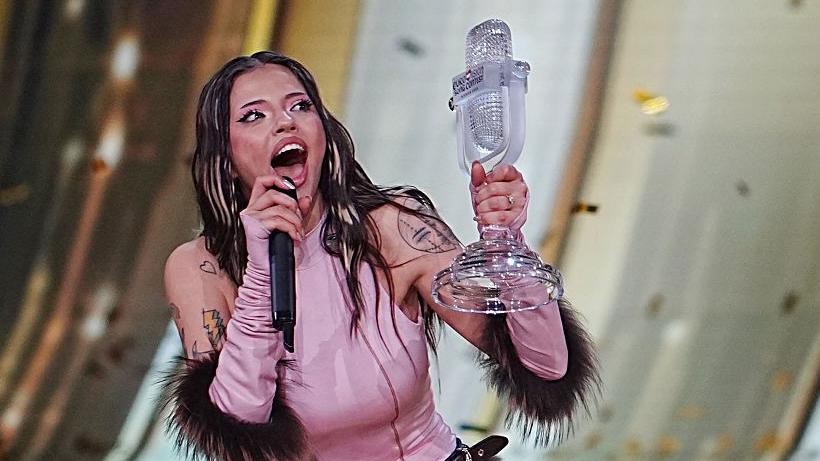
Table of Contents
Eurovision Song Contest Changes Rules for Nations in Conflict
Ninoda.com – The Eurovision Song Contest changes rules significantly to address geopolitical concerns affecting host nation eligibility. The European Broadcasting Union has officially amended its regulations to prevent countries engaged in armed conflict from hosting the prestigious competition if they emerge victorious. This important modification was approved following extensive input from participating broadcasters after the 2026 edition held in Vienna.
Under the revised guidelines, nations facing what organizers describe as a “sensitive geopolitical situation” will be barred from hosting if such circumstances threaten the security, safety, or stability of their territory or surrounding region. This adjustment appears directly connected to ongoing debates surrounding Israel’s participation amid international scrutiny of its military operations in Gaza and across the Middle East.
Geopolitical Concerns Take Center Stage
Last November, five participating broadcasters announced a boycott after failing to secure Israel’s suspension from the competition. Among those withdrawing were major Eurovision nations including Spain and Ireland. Despite these protests, Noam Bettan secured second place for Israel with his track Michelle, marking the nation’s consecutive runners-up finish.
Some broadcasters have privately voiced apprehensions about potentially staging the event in Jerusalem or Tel Aviv should Israel triumph in future editions. While Israel remains the primary focus of this rule modification, Ukraine will also be impacted by the changes. The Eastern European country has been fighting a prolonged war since Russia’s invasion in 2022.
Ukrainian ensemble Kalush Orchestra claimed victory that same year performing Stefania, delivering a powerful symbol of global solidarity. After their win, Eurovision organizers conducted comprehensive security evaluations to determine whether hosting in Kyiv remained viable. Ultimately, security concerns proved too significant, prompting the United Kingdom to step forward and organize the 2023 contest from Liverpool.
New Security Assessment Framework
The updated regulations formalize procedures already in place, establishing that the European Broadcasting Union may commission independent security evaluations of the winning nation’s region when deemed appropriate. Following such assessments, the EBU will consult with its Reference Group to confirm whether the victorious member can safely organize the event.
Should the winning country prove unable to host, the EBU will appoint an alternative broadcaster to manage proceedings. Importantly, this replacement organization will not be obligated to stage the competition on behalf of another member nation. During the 2023 edition, the BBC collaborated closely with its Ukrainian counterpart to honor Ukraine’s cultural heritage within the contest.
Additional Rule Modifications
Alongside the hosting restrictions, several other amendments were unveiled on Tuesday. The minimum age requirement for competitors has increased from sixteen to eighteen years old. Furthermore, regulations concerning backing tracks received clarification.
Since 1999, live instruments have been effectively prohibited, with only the lead vocalist performing acoustically. Beginning next year, backing tracks must not “unduly assist” performers—for instance, by incorporating pre-recorded vocals singing the primary melody to enhance or support the live delivery. The EBU explained that these adjustments aim to safeguard performance integrity and guarantee audiences hear authentic lead vocals throughout each song.
“These changes are about giving everyone involved greater clarity, protecting artists and ensuring the Contest continues to provide a safe and welcoming environment, while preserving the spirit and integrity that make the Eurovision Song Contest so special,” stated Eurovision director Martin Green.
The upcoming contest will take place in Bulgaria following Dara’s triumph in the 2026 edition with her club anthem Bangaranga. Additionally, organizers recently confirmed that Canada will make its debut appearance in the competition.
Frequently Asked Questions
Which countries are affected by the new Eurovision Song Contest changes rules?
The primary countries impacted include Israel and Ukraine. Israel faces scrutiny due to ongoing military operations in Gaza, while Ukraine has been engaged in conflict with Russia since 2022. Both nations could potentially be barred from hosting if they win future editions.
What happens if a country cannot host due to the new regulations?
When a winning country cannot host, the European Broadcasting Union appoints an alternative broadcaster to manage the proceedings. This replacement organization is not obligated to stage the competition on behalf of another member nation, providing flexibility in arrangements.
Are there other rule changes beyond hosting restrictions?
Yes, the Eurovision Song Contest changes rules include an increased minimum age requirement from sixteen to eighteen years old. Additionally, backing track regulations have been clarified to ensure they do not “unduly assist” performers by incorporating pre-recorded vocals that sing the primary melody.
When and where will the next Eurovision Song Contest be held?
The upcoming contest will take place in Bulgaria following Dara’s triumph in the 2026 edition with her club anthem Bangaranga. This marks an exciting new chapter for the competition as it continues to evolve with these important rule modifications.