‘Grief can colour memory’: Palace responds after Earl Spencer’s claim in Diana book

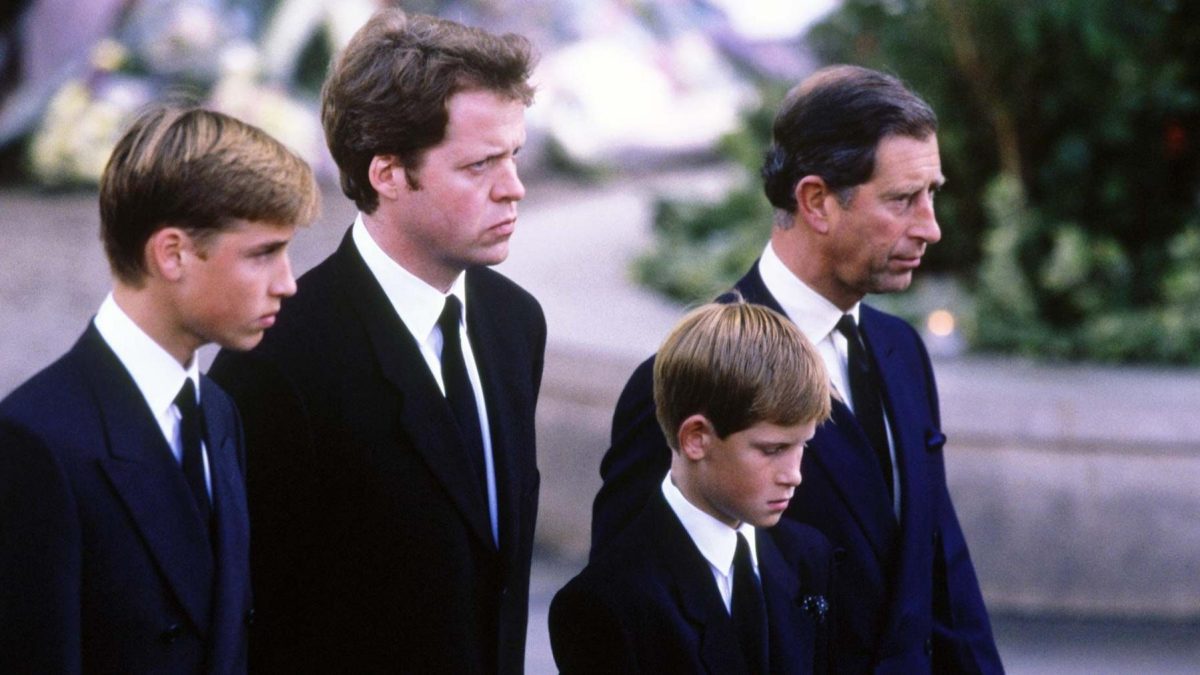
Table of Contents
Palace challenges Earl Spencer’s recollection of events after Diana’s death
Ninoda.com – Buckingham Palace has issued a rare response to claims made by Earl Spencer about an alleged conversation with King Charles in the days following the death of Diana, Princess of Wales.
In an extract from his forthcoming memoir, Swan Song: Diana, My Sister, Diana’s younger brother describes a bitter dispute over the funeral arrangements in 1997. He writes that he opposed plans for Princes William and Harry to walk behind their mother’s coffin, believing Diana would not have wanted her sons to take part in the procession in that way.
William was 15 and Harry was 12 when Diana died in a car crash in Paris. Their walk behind the coffin, alongside their father, grandfather and Earl Spencer, became one of the defining images of the funeral.
Palace statement refers to grief and memory
The memoir claims Earl Spencer was told by a senior Palace aide that the two princes would accompany Diana’s coffin. He says he objected and was later telephoned by the then-Prince of Wales.
Earl Spencer writes that Charles reacted with anger and made a remark about the public response to Diana’s death.
“He unleashed down the phone what I have always taken to be his pent-up contempt for Diana, and his horror that the world was so bowled over by her death. ‘Rest assured,’ he hissed, ‘we’ll forget her soon enough’.”
The Palace did not address the specific allegation directly. Its spokesperson said the institution does not normally comment on books, but suggested that profound loss can shape the way painful moments are remembered.
“While we do not comment on books as a matter of principle, His Majesty is mindful that the pain of fraternal grief can cloud reason, affect judgment and colour memory in ways others do not recognise, even many years after such a loss.”
The wording makes clear that the Palace disputes Earl Spencer’s interpretation of the period, while stopping short of offering a detailed alternative account of the reported exchange.
A funeral decision that has remained emotionally charged
Diana’s death in August 1997 triggered an extraordinary public outpouring of grief. The royal family faced intense criticism at the time from people who felt its public response did not reflect the national mood. The days before the funeral were marked by deep emotional strain, scrutiny of every decision and significant disagreement over how Diana should be remembered.
Earl Spencer’s speech at the funeral added to the atmosphere surrounding her death. Its emotional tone and its defence of Diana’s memory made it one of the most widely recalled moments of that day. His new book appears likely to revisit many of the tensions that surrounded the family in the aftermath of the tragedy.
The question of whether William and Harry should have walked in the procession has also remained a matter of public discussion for decades. Prince Harry has spoken openly about the experience, saying that no child should be expected to walk behind a parent’s coffin.
In a 2017 interview, Harry said he was not certain whether the decision had been right or wrong. Looking back, however, he said he was glad that he had taken part in the day.
That distinction reflects the lasting complexity of the event: an experience that was both deeply personal for two grieving children and profoundly public for a country mourning one of its most recognisable figures.
Memoir expected to revisit royal family tensions
Swan Song: Diana, My Sister is due to be published next week and is expected to contain strong criticism of the royal family. The full book has not yet been made public, and the available extract represents only part of Earl Spencer’s account.
The publication comes nearly three decades after Diana’s death, but the issues it raises remain sensitive. Her relationship with the royal family, the treatment of her sons during the funeral and the monarchy’s response to public grief all continue to carry emotional weight for many people.
The Palace’s statement places particular emphasis on the effects of bereavement over time. It does not deny that the period was painful or difficult; instead, it suggests that family grief can influence recollection and judgment long after the original events.
For Earl Spencer, the memoir offers a personal account of losing his sister and of his role during one of the most scrutinised royal moments in modern British history. For the Palace, the response signals that it does not accept every element of that account.
Copies of the book have also attracted attention before publication. Four copies of the Dutch-language edition were stolen from a truck in the Netherlands while it was travelling from the printer to a warehouse for the Dutch publisher.
As the release date approaches, the memoir is likely to renew debate about Diana’s final days, the decisions made around her funeral and the enduring impact of her death on her family and the monarchy.
Related Reading
Frequently Asked Questions
What is Grief can colour memory?
Grief can colour memory is the main topic of this guide. The article explains the context, practical details, and next steps readers should understand.
Why does Grief can colour memory matter?
Grief can colour memory matters because readers are looking for a useful answer, not just a short summary. Good content should match search intent and help them decide what to do next.