Israeli settlers set fire to mosques, cars and farm land in West Bank, Palestinians say

Ninoda.com – “`html
West Bank Violence Escalates as Settlers Target Religious Sites and Homes
Palestinian authorities report that Israeli settlers set fire to mosques alongside vehicles and cultivated fields throughout the occupied West Bank region. These incidents unfold amid intensifying hostilities across the territory, arriving just forty-eight hours following a deadly confrontation near Tal village that claimed four Palestinian and two Israeli lives.
Each party blamed the other for instigating the bloodshed. The West Bank has experienced mounting aggression from radical settlers, a trend some attribute to far-right factions within Israel’s present administration.
Attacks on Villages Overnight
According to Palestinian accounts, two settlements faced settler assaults during the night. Vandals damaged automobiles, confiscated belongings, and covered building facades with hostile spray-painted messages.
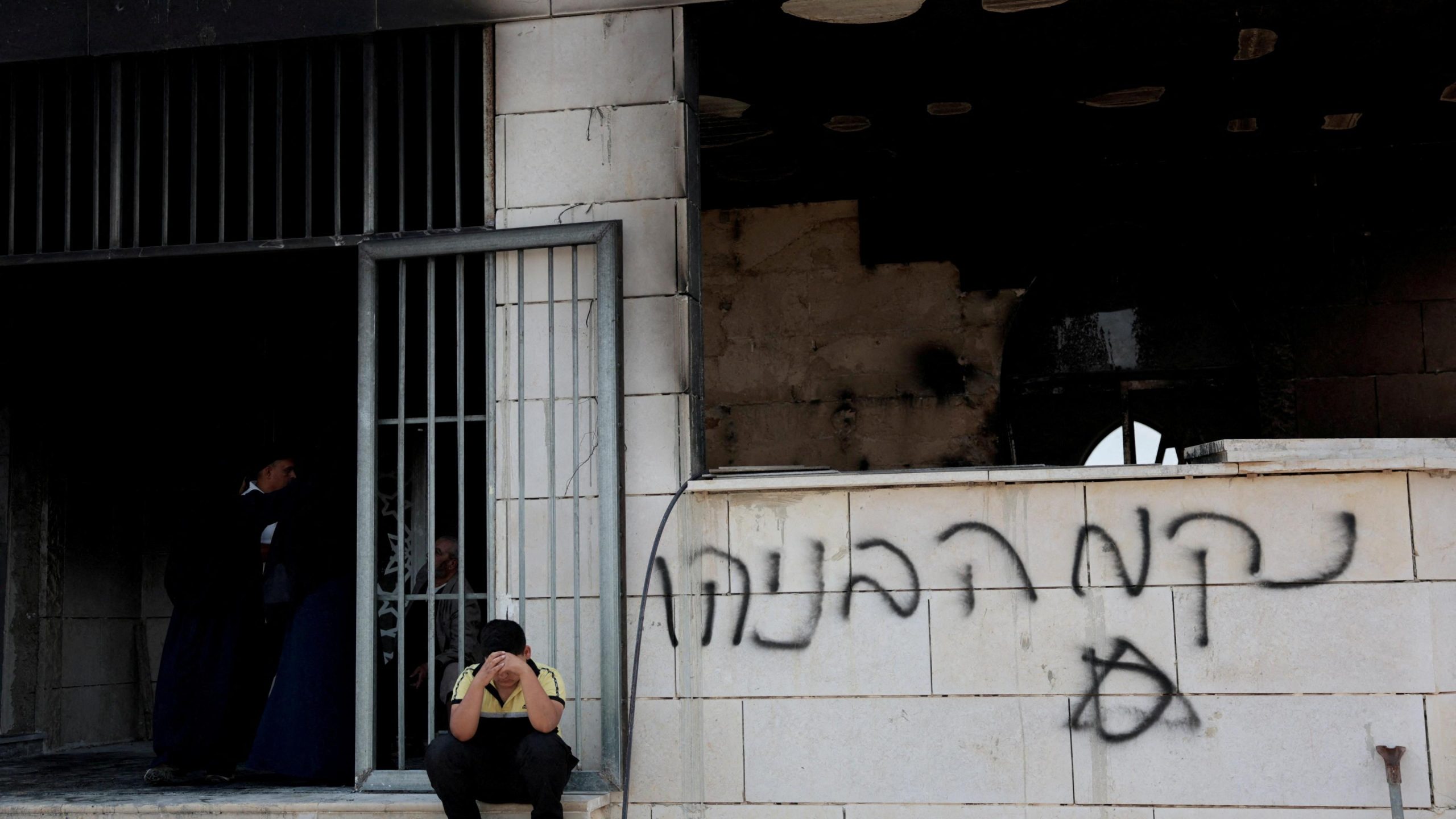
Qusra’s municipal leader reported that settlers torched a mosque currently being built. Abdul Azim Wadi noted that attackers wrote “revenge” among other words on the structure’s exterior surfaces. The Israeli armed forces confirmed deploying troops to the area and promised a police investigation to gather evidence.
In a distinct occurrence, residents of Kour village witnessed settlers burning another mosque and painting slogans across its walls. Following Friday’s fatal encounter in Tal, Palestinians documented numerous settler assaults on communities throughout the West Bank.
Counter-Terrorism Operations and Government Response
The Israel Defense Forces conducted raids over the weekend, detaining more than 130 people in what officials termed a counter-terrorism campaign. Prime Minister Benjamin Netanyahu pledged decisive measures regarding the Tal incident, potentially including the destruction of residences belonging to two Palestinians accused of participation.
Personal Accounts from Survivors
Hanan Turabi spoke emotionally to BBC reporters beside her damaged property. She described witnessing crowds of settlers charging across the hillside toward her home. Six structures were reportedly burned that day, with additional buildings struck by stones.
“They came from everywhere,” she recounted. “We tried to escape but they followed us and threw stones.”
Hanan remained inside until the final moment before evacuating with her four children. She explained that she faced a difficult choice between losing her home or endangering her family.
Kaied Ahmad Turabi, visiting from Miami, was captured on video battling settlers on a neighbor’s porch during the attack. Having recently left the hospital, he showed reporters a severe black eye, multiple cuts, and a head wound requiring twelve stitches.
“I worked all my life with Jewish people, but these people… they all had covered faces, all of them had a lot of stuff – sticks, and things in their pockets. They came ready,” he stated.
Community Defense and Military Presence
Hours after the initial violence, residents gathered near the village entrance as settlers appeared on the outskirts once more. Dozens of young men marched up the road responding to calls for defense and barricading efforts.
Israeli soldiers positioned themselves between the groups while settlers gradually retreated. Palestinians employed tear gas as a crowd control method, with some young men running through the smoke to bury or kick away the canisters, chanting “Palestine, Palestine” as military forces advanced steadily.
Israel’s military announced Sunday that it was addressing “incidents of nationalist crime” — its designation for attacks perpetrated by extremist Israeli settlers. Despite public condemnation from Israeli leadership regarding radical violence, the country has witnessed rapid expansion of unauthorized settlement outposts that human rights organizations claim drive increased aggression against Palestinians.
The prime minister additionally committed to accelerating the creation and official recognition of agricultural outposts in the West Bank, responding to the Israeli deaths that occurred in Tal on Friday.
Witnesses described the atmosphere of tension that pervaded the region in the days following the mosque fires. Local residents expressed concern about the escalating cycle of retaliation and called for international attention to the growing crisis in the occupied territories.
“`