Online marketplaces still selling dozens of unsafe baby products, Which? finds

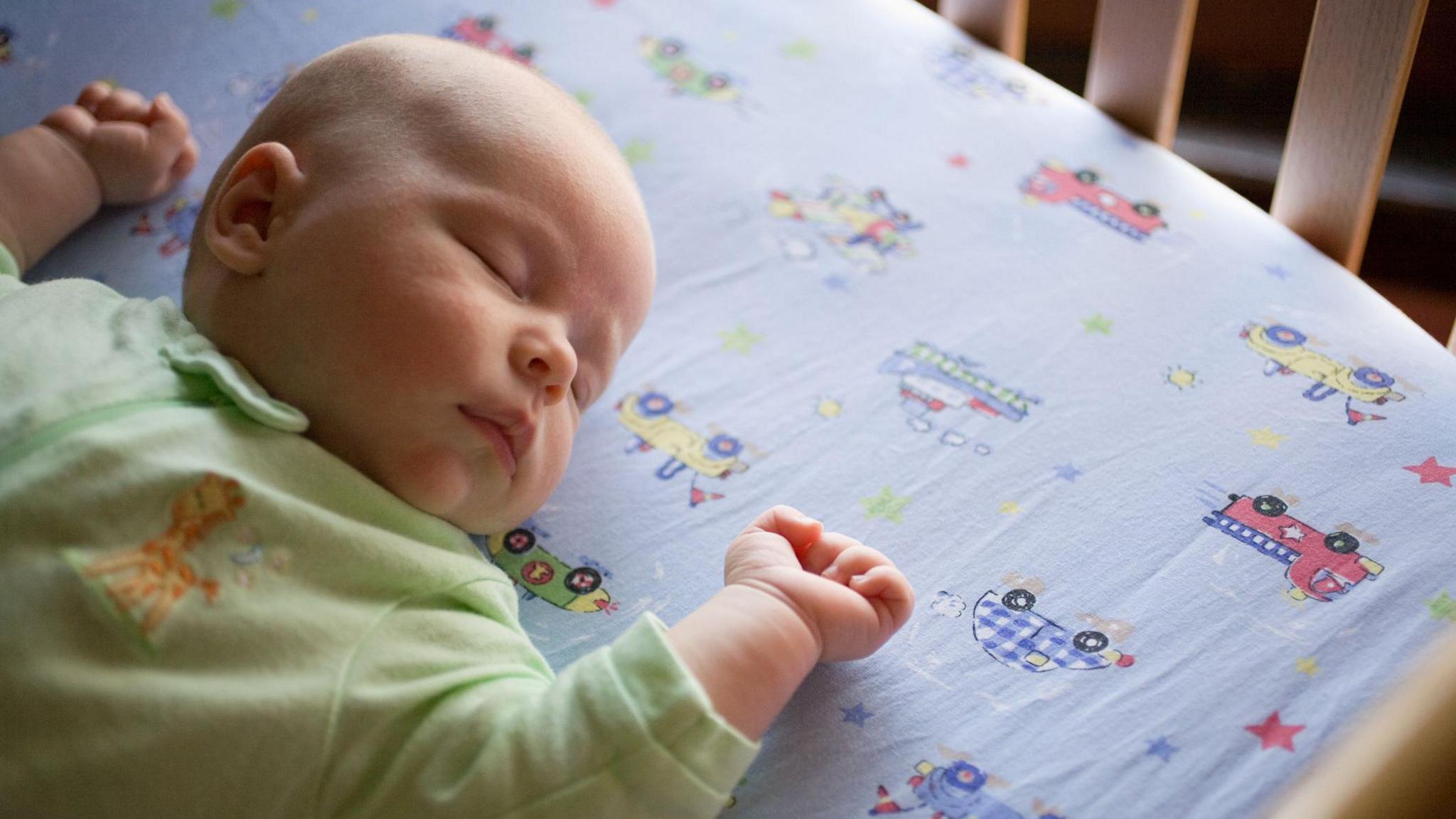
Online marketplaces still sell dozens of unsafe baby products, Which? finds
Ninoda.com – Despite ongoing safety warnings and recall notices, a recent investigation by Which? has uncovered that numerous baby products with potential hazards continue to be sold on UK online marketplaces. These platforms, including Amazon, eBay, TikTok, and others, still list over 150 items—such as self-feeding devices, sleep pillows, and sleeping bags—that pose risks to infants. The findings highlight a persistent issue in the digital marketplace, where third-party vendors often bypass safety checks, leaving parents vulnerable to potentially dangerous goods.
How the investigation was conducted
Which? conducted a thorough analysis of baby products available on eight major marketplaces, focusing on items flagged as high-risk by the Office of Product Safety and Standards (OPSS). The study revealed that even after OPSS issued alerts in 2022, many of these products remain on sale. The investigation involved scanning product listings, reviewing safety certifications, and assessing the likelihood of harm. Key areas of concern included products designed for infant sleep and feeding, which were found to have design flaws that could lead to choking or suffocation.
Among the unsafe items, self-feeding aids were identified as particularly problematic. These devices, intended to help babies drink independently, were criticized for their design, which allows small parts to become dislodged, increasing the risk of choking. Additionally, sleep pillows and sleeping bags with hoods or no armholes were flagged for their potential to trap infants during sleep, a concern echoed by NHS guidelines on safe sleep practices. The report also noted that some products lack clear safety warnings, making it difficult for parents to identify risks.
The dangers of unsafe baby products
The study emphasized the severe consequences of these products, including potential life-threatening situations for newborns. Ruth Watts, a registered health visitor and parenting influencer, warned that parents often prioritize convenience and quick solutions over safety, especially when products promise better sleep or easier feeding. “If something seems too good to be true, it’s probably too good to be true,” she said, highlighting the need for vigilance. The investigation also found that some products, like pillow bottle holders, could lead to strangulation if not used properly.
Furthermore, the report highlighted the lack of consistent enforcement across marketplaces. While some platforms have taken steps to remove flagged items, others still allow unsafe products to remain in circulation. Which? called for stricter regulations, urging marketplaces to hold sellers accountable for product safety. The group also stressed the importance of clear labeling and user reviews to help parents make informed decisions. “Babies’ lives are at risk because these platforms won’t stop dangerous products from reaching customers,” stated Sue Davies, head of consumer protection policy at Which?, underscoring the urgency of the issue.
Online marketplaces still selling dozens of unsafe baby products have been a recurring problem, with many retailers failing to act swiftly on safety alerts. The investigation found that even after OPSS issued specific instructions for removal, only a fraction of these items were taken down. This inconsistency raises questions about the effectiveness of current oversight mechanisms. Which? recommends parents avoid self-feeding aids for infants under one year old and choose sleeping bags with proper armholes to reduce suffocation risks. The group also emphasizes the importance of firm, flat mattresses in cribs to ensure safe sleep, as advised by the Lullaby Trust.
Marketplace responses varied, with some companies pledging to improve their safety protocols. Amazon, for instance, confirmed it had removed flagged products and is enhancing its monitoring systems. Alibaba and AliExpress highlighted their efforts to educate sellers and enforce compliance, though the report suggests more needs to be done. eBay mentioned its use of AI and dedicated teams to detect risks, but critics argue that these measures are not sufficient to address the scale of the problem. Online marketplaces still selling dozens of unsafe items, including sleep pillows and self-feeding devices, continue to challenge consumer safety.