
Polanski says he will not overturn Green Party’s ‘Zionism is racism’ motion

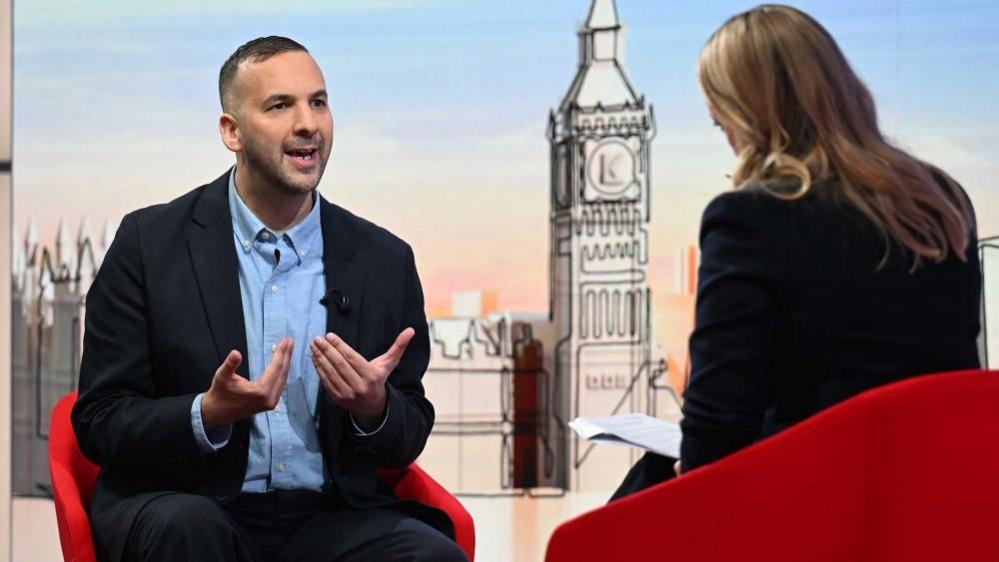
Table of Contents
Green Party leader says disputed Zionism motion will remain in force
Ninoda.com – Zack Polanski has said he will not seek to overturn a Green Party motion declaring Zionism to be racist, despite the division it has created inside and outside the party.
The motion was approved at the party’s conference earlier this month and will remain part of Green Party policy until 2028 under the organisation’s current rules. Polanski, who leads the party, said he would support changes to its wording when members are next able to consider it, but would not set aside the result of the conference vote.
The issue became a significant test for Polanski during the final stretch of his campaign in the Holborn and St Pancras by-election. He finished second behind Labour, while criticism of his handling of the vote placed added pressure on his leadership.
A motion that prompted a broad backlash
The conference motion defined Zionism as an ideology that supports “an ethnonationalist Jewish state in historic Palestine to the exclusion and/or domination of the non-Jewish population”. It passed by 1,022 votes to 813.
Although the margin was relatively narrow, the vote involved only a small proportion of the Green Party’s 230,000 members. That has fuelled calls from some within the party for a review of its member-led decision-making arrangements.
The resolution has drawn criticism from MPs, Jewish campaigners, the government and the European Green movement. Its adoption has also exposed disagreement among Greens over how the party should discuss Israel, Palestine, Jewish identity and the political meaning of Zionism.
For supporters of revisiting the wording, the concern is not only the motion’s immediate political impact but also the way it may shape public understanding of the party’s position. The debate has placed the Green Party’s internal democratic processes under unusually close scrutiny.
Polanski seeks amendment rather than reversal
During an interview on Sunday, Polanski was asked whether he would use his authority as leader to undo the decision. He said he would not attempt to reverse a policy approved by members.
“I’m not going to try to overturn it.”
He said he wanted to amend the policy at the earliest permitted point, particularly to move away from language favouring a single-state outcome. Instead, he said the policy should make clear that Israelis and Palestinians should determine their future themselves.
“At the first available opportunity, I do want to amend it – I want to move away from one state, towards saying that Israelis and Palestinians should decide that future for themselves.”
Polanski said that opportunity would not arrive before 2028 because conference decisions are treated as party policy for two years and cannot be changed during that period under existing rules.
When asked whether he could alter the rules in response, Polanski argued that doing so would undermine a decision taken by members.
“I think if members have made a decision, then I respect the democratic will of our members.”
Pressure over the leadership response
Polanski has previously said he would not have backed the motion in its final form without amendments. He has also faced criticism for not taking part in the vote itself.
That absence has become central to the argument over whether the party’s leadership acted quickly enough to address concerns raised by the proposal. Critics say the scale of participation matters when a conference vote establishes a position on an issue with major consequences for Jewish communities, party relations and electoral politics.
Green MPs, including Ellie Chowns, have called for the party to examine its procedures in light of the low number of members who participated. Their intervention reflects a wider question for the Greens: how to preserve grassroots control while ensuring that policy decisions with national consequences receive sufficient debate and participation.
The dispute is also likely to continue influencing relations between the Green Party and Labour. Labour has moved to distance itself from Green-led council groups that support the Zionism policy, underlining how a party conference motion can affect alliances and cooperation beyond Westminster.
What remains unchanged
For now, the conference decision stands. Polanski’s position is that the policy should be changed through the party’s own rules rather than overridden by its leader, even though he wants a future amendment.
That approach leaves the Greens with a difficult balancing act. The party must respond to concerns about the wording and its consequences while maintaining the principle that members, rather than the leadership alone, make policy. The next debate is therefore likely to focus both on the substance of the motion and on whether the party’s processes are equipped to handle such contentious decisions.
Until a future conference can revisit the matter, the motion will remain an active source of political and internal pressure for Polanski and the Green Party.
Related Reading
Frequently Asked Questions
What is Polanski says he will not overturn?
Polanski says he will not overturn is the main topic of this guide. The article explains the context, practical details, and next steps readers should understand.
Why does Polanski says he will not overturn matter?
Polanski says he will not overturn matters because readers are looking for a useful answer, not just a short summary. Good content should match search intent and help them decide what to do next.