Rayner announces crackdown on ‘cowboy’ leasehold property agents

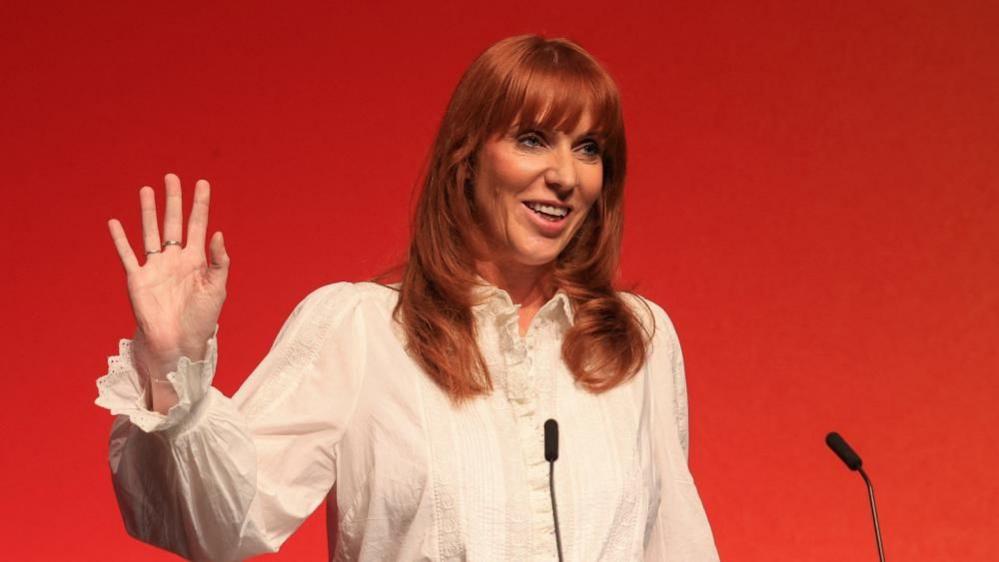
Table of Contents
Leasehold Reform Plans Target Property Agents and Extra Charges
Ninoda.com – Leaseholders in England and Wales could gain stronger protection from poorly run property-management firms and costly permissions under new plans outlined by Housing Secretary Angela Rayner. The government intends to create an independent regulator for property agents and consult on limits for administration and permission fees that can be charged to people who own leasehold homes.
About five million people hold leasehold properties in England and Wales. Although they have purchased their homes, they may still need approval from a freeholder or managing company for certain changes, and can face charges for services or documents connected with their property.
Rayner used her speech at Labour’s annual conference to describe leasehold as an unfair arrangement that can leave homeowners with little practical control. She highlighted cases in which residents were asked to pay £250 to keep a pet and £400 to replace a front door.
“People are powerless against the vested interests that only take, while giving nothing back in return.”
Independent watchdog proposed for property agents
The planned regulator would cover estate agents, managing agents and estate managers. It would be expected to establish professional rules for the industry, including conduct requirements and effective systems for dealing with complaints.
Property agents would need licences to operate. Where firms or individuals failed to meet the required standards, the regulator could remove their licences. Ministers have said they want to introduce the measures as quickly as possible.
Rayner said many businesses in the sector operate properly, but argued that responsible firms are damaged by operators who exploit homeowners. She criticised practices that can steer buyers towards in-house services without sufficient openness over costs or accountability.
“The sector has many decent businesses” but they are “undermined by far too many cowboys, crooks and con artists.”
For residents, an independent regulator could mean clearer expectations when dealing with the company responsible for a building or estate. Managing agents can play a major role in arranging repairs, collecting service charges, handling shared areas and communicating with freeholders. The proposed licensing system is designed to give consumers a route for standards enforcement where those responsibilities are not handled properly.
Consultation planned on fee caps
The government also plans to legislate for powers to restrict certain charges paid by leaseholders to landlords. A public consultation will be used to determine the level at which caps should be set.
The proposal includes permission and administration fees. These may arise when a resident wants to make cosmetic alterations, seeks approval for a change at home, or requests paperwork such as a building safety certificate. The intended protections would also apply to freehold estates and privately managed estates, where homeowners can face similar additional costs.
Fee caps would not remove every responsibility set out in a lease or estate agreement. However, the policy is intended to address charges seen as excessive for routine requests or straightforward permissions. The consultation will be important because it will shape how ministers balance consumer protection with the costs claimed by freeholders and management businesses for carrying out legitimate work.
Part of a wider move away from leasehold
The measures sit alongside the Commonhold and Leasehold Reform Bill, through which the government is pursuing a ban on new leasehold flats. Labour’s 2024 election manifesto called leasehold a “feudal” model, reflecting the way buyers hold a time-limited right to occupy a home while the freeholder owns the land.
Ministers want commonhold to become the alternative for new developments. Under a commonhold arrangement, residents collectively own and manage their building rather than relying on a separate freeholder. Supporters argue that this would give homeowners a more direct role in decisions affecting their homes and shared spaces.
Moving to a different model will take time, particularly because millions of existing leasehold properties already operate under long-standing contracts. In the nearer term, the proposed regulation and fee controls are intended to improve protections for people who remain within the current system.
Ground rents remain under scrutiny
Rayner also referred to ground rents, the annual payments leaseholders make to their freeholder. A previously announced plan would limit yearly ground rents to £250 in England and Wales. The policy was delayed during the summer change of prime minister.
The government expects the cap to begin in late 2028, although some MPs have urged ministers to bring that date forward to late 2027. Rayner said she was “capping and then scrapping” ground rents, suggesting the government may ultimately seek to go beyond a fixed maximum charge.
Ground rents are separate from service charges, which can be used for costs such as building maintenance, insurance and shared facilities. For homeowners, that distinction matters: a cap on ground rent would not automatically settle disputes over other bills, while the separate consultation on administration and permission charges is aimed at another part of the leasehold cost structure.
Housing Plans Extend Beyond Leasehold
In the same speech, Rayner said she wanted councils to have stronger powers to take control of empty homes. The government presents this as part of a wider effort to increase the supply of council housing and respond to homelessness.
Labour has set a target of building 1.5 million homes in England by the next election. Rayner did not address that target in the conference speech and had said earlier in the month that there was only a “slim chance” of achieving it.
Ministers recently announced the Your First Home policy, which is intended to help first-time buyers in England purchase with a 2.5% deposit. The initiative resembles the Help To Buy scheme introduced by the Conservatives in 2013.
Conservatives criticised the proposed empty-home powers as a “desperate” attempt by Labour to meet its housebuilding ambition. The debate underlines the scale of the challenge facing the government: making home ownership more accessible, improving the position of current leaseholders and increasing the number of homes available all require changes that will be felt by residents, councils, developers, landlords and property-management firms.
Related Reading
Frequently Asked Questions
What is Rayner announces crackdown on cowboy leasehold?
Rayner announces crackdown on cowboy leasehold is the main topic of this guide. The article explains the context, practical details, and next steps readers should understand.
Why does Rayner announces crackdown on cowboy leasehold matter?
Rayner announces crackdown on cowboy leasehold matters because readers are looking for a useful answer, not just a short summary. Good content should match search intent and help them decide what to do next.