Watch: How did Burnham’s speech go down in the conference hall?

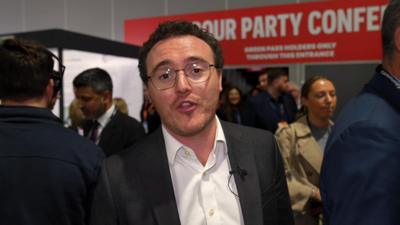
Table of Contents
Burnham’s Conference Speech Sets Out Major Policy Ambitions
Ninoda.com – Andy Burnham used his first Labour conference speech as prime minister to announce a series of far-reaching proposals, placing pension policy, social care, public ownership and electoral reform at the centre of his address in Liverpool.
The speech carried a strongly personal tone. Burnham spoke about the recent death of his father and connected that experience to his determination to establish a new national care service. He said the service would be financed through savings generated by ending the pensions “triple lock” from 2030.
“Triple lock”
The proposed change to pension policy was one of the most significant elements of the speech. The triple lock has become a familiar feature of debate over retirement incomes, and any move to end it would prompt close attention from pensioners, families and those planning for later life. Burnham presented the decision as part of a wider effort to redirect resources towards care.
A personal case for a national care service
Burnham’s reflections on his father gave the speech an emotional focus beyond its policy announcements. Rather than treating care as a technical question of budgets and administration, he framed it as an issue that touches households across the country.
His proposed national care service would begin with funding linked to pension savings from 2030. The announcement put a clear long-term date on the plan, while also underlining the political challenge involved in balancing support for older people with the cost of care services.
For many people, the debate will be defined by two connected questions: how retirement income should be protected, and how care can be made more reliable and accessible for people who need it. Burnham’s speech brought those questions together, arguing that reform in one area could help fund change in the other.
Public ownership and electoral reform also featured
Care and pensions were not the only subjects addressed. Burnham also said he wanted to remove the ban on public ownership of water companies. The proposal would reopen a major political argument about how essential services should be run and who should ultimately control them.
Water companies affect daily life in every part of the country, making the issue readily understandable outside Westminster. A change to the rules around ownership would not merely be a narrow administrative adjustment; it would establish the possibility of a different approach to the management of water services.
Burnham additionally set out a proposal to alter the UK’s electoral system. Although the speech placed the proposal alongside its other headline commitments, electoral reform is a subject with consequences extending well beyond a single election. It concerns how votes are translated into political representation and how the public judges the fairness of the system.
Together, the announcements suggested an attempt to set a broad direction for government: reforming public services, reconsidering the role of public ownership and changing political institutions. Each proposal has its own practical and political questions, but the speech presented them as parts of a larger programme rather than isolated measures.
Reaction Inside the Conference Hall
The response in Liverpool was closely watched because the speech was delivered to Labour MPs and party members at a defining conference moment. Major announcements can generate enthusiasm in the hall while also raising difficult questions about how they would work in practice and how they would be received beyond the conference audience.
The personal sections of Burnham’s address gave the event a distinct emotional atmosphere. His account of his father’s death and his commitment to honour that memory through a national care service made the policy discussion feel immediate and human. For supporters, that connection may have reinforced the case for treating care as a national priority.
At the same time, the plan to end the triple lock is likely to remain one of the most closely examined parts of the package. Pension policy has direct consequences for millions of people, and the 2030 timetable gives the proposal a clear point around which future debate can develop.
What the announcements mean for the wider debate
The speech left Labour members with a set of ambitious commitments to consider. A national care service funded through pension savings, the possibility of public ownership for water companies and an altered electoral system all point towards substantial policy change.
For the public, the practical significance will lie in the details that follow. Questions over funding, timing, legislation and delivery will shape whether these proposals become durable changes or remain broad conference commitments. The speech established the direction of travel, but the next stage will be defined by how those ideas are developed and tested.
Burnham’s first conference address as prime minister was therefore more than a collection of announcements. It combined a personal appeal with a programme of institutional and economic reform, asking party members to see care, pensions, water ownership and elections as connected parts of a wider national agenda.
Related Reading
Frequently Asked Questions
What is Watch: How did Burnham's speech go down in the conference hall??
Watch: How did Burnham's speech go down in the conference hall? is the main topic of this guide. The article explains the context, practical details, and next steps readers should understand.
Why does Watch: How did Burnham's speech go down in the conference hall? matter?
Watch: How did Burnham's speech go down in the conference hall? matters because readers are looking for a useful answer, not just a short summary. Good content should match search intent and help them decide what to do next.