Russian fuel shortages bite – but will Putin change tack in Ukraine war?

Russian Fuel Shortages Intensify – Will Putin Adjust Ukraine Strategy?
Queues in Moscow Signal a National Energy Dilemma
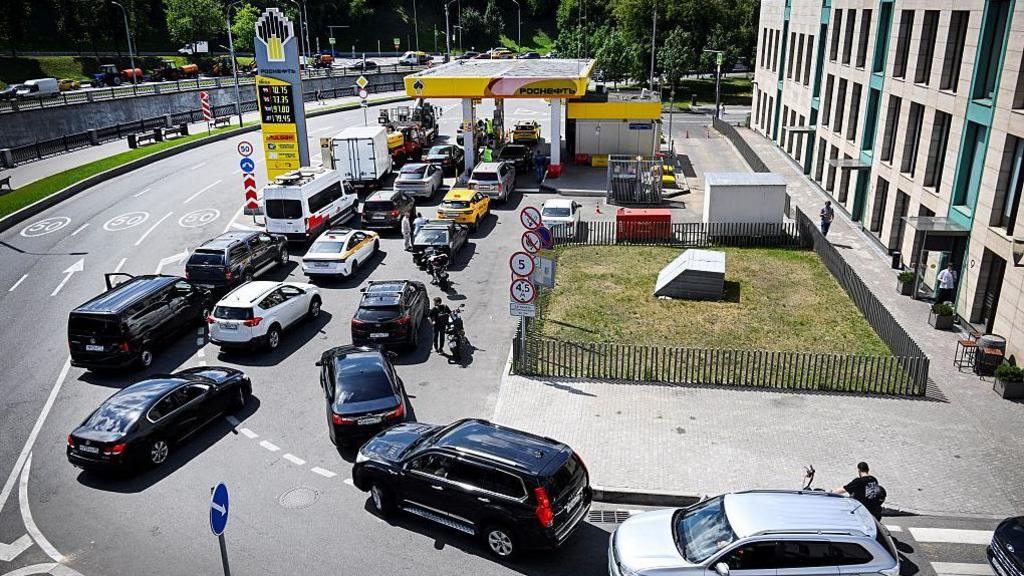
Ninoda.com – Russian fuel shortages bite, with citizens across the country experiencing unprecedented disruptions in their daily lives. In Moscow, the capital of a nation that once seemed immune to such crises, the situation has become starkly visible. Petrol stations are frequently crowded, with long lines of vehicles waiting patiently for the elusive fuel. This scarcity is not merely a logistical issue but a growing concern that highlights the fragility of Russia’s energy infrastructure. Even in cities like Moscow, where access to resources is supposed to be guaranteed, the supply chain is under strain, leading to sporadic closures and delays.
“It’s hard to believe that in a country with such vast oil reserves, we’re facing this kind of shortage,” remarked one resident, underscoring the confusion among the public.
Experts note that the crisis has deepened due to a confluence of factors, including prolonged conflict, infrastructure damage, and the global shift toward renewable energy. The war in Ukraine has forced Russia to divert resources from domestic energy production, creating a ripple effect across the country. As the situation worsens, the government is under pressure to address the issue, but questions remain about how effective their measures will be in the face of mounting challenges.
Public Frustration and Economic Pressures
The impact of Russian fuel shortages bite is most acutely felt by everyday citizens, who are now spending hours waiting for fuel. In cities like Moscow, the frustration is palpable, with people expressing concerns about rising prices and unreliable supply. “It’s not just the time wasted; it’s the uncertainty,” said Valery, a local business owner, who described the crisis as a “silent war on the economy.” His comments reflect a broader sentiment that the shortages are not only affecting transportation but also threatening the stability of businesses reliant on fuel.
Transportation workers, in particular, are grappling with the fallout. With fuel becoming scarcer, logistics companies are struggling to maintain operations, and public transport has seen delays. Farmers, too, are worried about the summer harvest, as fuel shortages could disrupt the movement of goods and machinery. The crisis is now seen as a harbinger of broader economic instability, with some analysts warning that it could lead to inflationary pressures or even a reduction in consumer spending.
War’s Toll on Energy Infrastructure
The war in Ukraine has significantly exacerbated the fuel crisis, with Ukrainian drones and missiles targeting key energy facilities. Refineries near Moscow, a major hub for oil production, have been hit repeatedly, reducing output and straining the remaining capacity. These attacks, combined with the internet outages that hamper real-time monitoring and communication, have created a perfect storm of supply disruptions. The result is a tightening of the domestic fuel supply, which is now struggling to meet the needs of both urban and rural populations.
Analysts point to the dual challenges of conflict and resource allocation as the primary causes of the shortages. While the war has drained Russia’s energy reserves, it has also forced the government to prioritize fuel for military use over civilian needs. This shift has led to a critical imbalance, with citizens bearing the brunt of the shortfall. The situation has been further compounded by the depletion of strategic reserves, which were initially meant to cushion the economy against such shocks. As the war enters its fifth year, the pressure on Russia’s energy systems continues to grow, raising concerns about their ability to sustain the country’s needs.
Kremlin’s Response and Strategic Priorities
Despite the challenges, the Kremlin has taken several steps to mitigate the effects of Russian fuel shortages bite. Fuel imports have been increased to compensate for domestic production declines, and price controls have been implemented to shield consumers from steep hikes. Additionally, the government is promoting the use of lower-grade fuel to stretch limited supplies, a measure that has been met with mixed reactions. While some citizens accept the trade-off for affordability, others argue that it compromises their quality of life.
President Vladimir Putin has acknowledged the problem publicly, though he frames it as a manageable issue rather than a critical one. In a recent address, he noted that Ukrainian attacks “obviously create problems,” but emphasized that Russia’s energy reserves remain sufficient for its war effort. This rhetoric reflects a strategic focus on maintaining morale and projecting stability, even as the reality of the shortages becomes more apparent. The government’s efforts are also influenced by the need to maintain a strong domestic front, as public dissatisfaction could translate into political pressure.
Global Market Reactions and Long-Term Implications
The Russian fuel shortages bite are not confined to domestic issues; they are also having a noticeable impact on the global market. As Russia’s energy exports decline, prices for oil and gas have risen, affecting economies worldwide. The situation has prompted discussions about the country’s long-term energy strategy and its ability to sustain its role as a major supplier. Analysts warn that if the crisis persists, it could lead to a restructuring of the global energy landscape, with other nations stepping in to fill the gap.
Meanwhile, the Russian government continues to downplay the severity of the shortages, focusing on the resilience of its energy sector. However, the reality is that the crisis is forcing a reevaluation of priorities. With the war in Ukraine now entering its fifth year, the question remains: will the Kremlin adjust its strategy to address the growing domestic challenges, or will it continue to allocate resources to the frontlines at the expense of civilian life? The answer may determine the future of both the war effort and the Russian people’s ability to endure the ongoing hardships.