Tate brothers appear in US court for extradition proceedings

Tate Brothers Appear in US Court for Extradition Proceedings
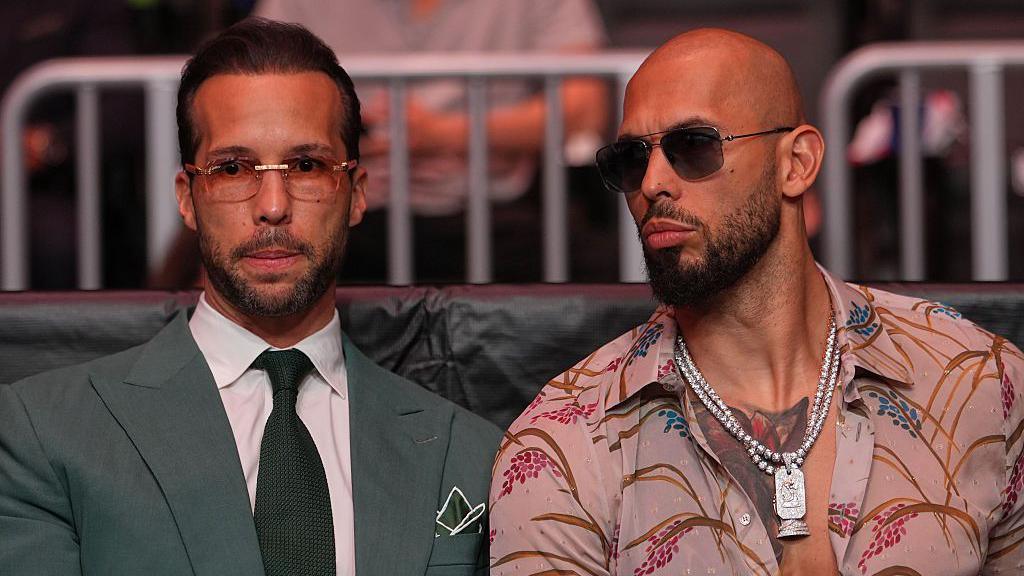
Ninoda.com – The Tate brothers appear in US court as they face the first formal step in their extradition process from the United States to the United Kingdom. Andrew and Tristan Tate, the British-American influencers known for their provocative social media presence, have been detained since their arrest on Saturday in Florida. The case has drawn significant public and media attention, with the brothers appearing in the federal courtroom in Miami to address the charges that could lead to their return to the UK. These charges include 59 counts of rape, sex trafficking, and other serious offenses, with prosecutors alleging the crimes were committed between 2010 and 2017. The Tate brothers appear in US court now to defend against the legal proceedings that have set them on a path toward potential deportation.
Extradition Context and Legal Challenges
Extradition proceedings are a critical legal mechanism that allows one country to request the transfer of an individual accused of a crime to another jurisdiction. The Tate brothers appear in US court as part of this process, which is governed by international agreements and domestic laws. Their defense team, led by Joe McBride, has already signaled their intent to challenge the extradition, arguing that the evidence against them is insufficient and that the charges are politically motivated. “The Tate brothers appear in US court to contest what they call a farce, a politically orchestrated campaign to send them back to the UK,” McBride stated, emphasizing that the case is not just about legal guilt but also about the broader implications of their return.
“This isn’t about justice—it’s about using the legal system as a tool to silence them,” McBride added, comparing the current situation to the legal battles faced by former US President Donald Trump. The defense claims that the charges are based on a “stitch-up job” and that the UK authorities have been quick to accuse the brothers without adequate proof. This has sparked debates about the fairness of the extradition process and whether the Tates’ dual citizenship will play a role in delaying or accelerating their transfer. The legal team is working to highlight inconsistencies in the evidence presented by Romanian prosecutors, who initially imposed a travel ban on Andrew Tate but later lifted it, allowing him to return to the US before his arrest.
Charges and Evidence Presented
The charges against the Tate brothers appear in US court are rooted in allegations of sexual exploitation and organized criminal activity. Prosecutors have cited “a further file of evidence” from Bedfordshire Police, which reportedly includes testimonies from seven alleged victims. These claims are part of a larger case that spans both the UK and Romania, where the brothers also face similar accusations of human trafficking and systematic abuse. The evidence, which includes video footage and digital communications, is said to corroborate the sexual assault charges and establish a pattern of behavior over several years. Legal experts have noted that the case against the Tates is complex, involving multiple jurisdictions and a mix of criminal and civil allegations, including defamation and coercive practices tied to their public persona.
The Tate brothers appear in US court today to present their initial defense, which focuses on the credibility of the evidence and the procedural fairness of the extradition. Their attorney argues that the timeline of events is unclear, and that the UK authorities have rushed the process without thoroughly investigating the circumstances. The case has also raised questions about the role of international cooperation in criminal justice, with some critics suggesting that the UK is leveraging its relationship with the US to expedite the transfer. As the Tate brothers appear in US court, the proceedings will set the stage for a high-profile legal battle that could have lasting consequences for both the individuals and the countries involved.
Public Reaction and Media Coverage
The Tate brothers appear in US court has become a focal point for public discourse, with their case sparking heated debates online. Social media platforms have been flooded with reactions from supporters and critics, many of whom argue that the brothers’ influence has been both a weapon and a shield. Their online presence, which includes millions of followers and viral videos, has amplified the visibility of the case, drawing attention to the legal and social implications of their extradition. Some media outlets have framed the brothers as symbols of a broader cultural movement, while others have criticized their actions and the legal defenses they are mounting. As the Tate brothers appear in US court, the proceedings are being watched closely by legal analysts, human rights advocates, and the general public, all eager to see how the case unfolds.
“The Tate brothers appear in US court, and it’s clear that their trial will be as much about public perception as it is about legal facts,” said legal analyst Sarah Lin. The case has also raised concerns about the speed of the extradition process, with some observers noting that the UK and US have a history of expediting such transfers for high-profile individuals. As the Tate brothers appear in US court, the next steps will involve the presentation of evidence, the evaluation of legal arguments, and the final decision by the Trump administration, which holds the authority to approve the extradition. The outcome of this process could have far-reaching effects, influencing both the legal standing of the Tates and the perception of their actions in the global media landscape.
Broader Implications and Future Steps
The Tate brothers appear in US court marks a pivotal moment in their legal journey, with the proceedings set to determine their fate. The case has been described as a “test of international legal cooperation” by some legal scholars, who highlight the complexities of extraditing individuals between nations with differing legal standards. The next key hearing is scheduled for 27 July, where the court will assess the evidence and decide whether to grant the UK’s request for extradition. If approved, the brothers could face trial in the UK, where they will be required to defend themselves against the 59 charges and the allegations of systemic exploitation. Meanwhile, their legal team continues to work on challenging the extradition process, aiming to delay the transfer and present alternative narratives about their actions and intentions.