The dangers of politicians being “too online” – or not online enough

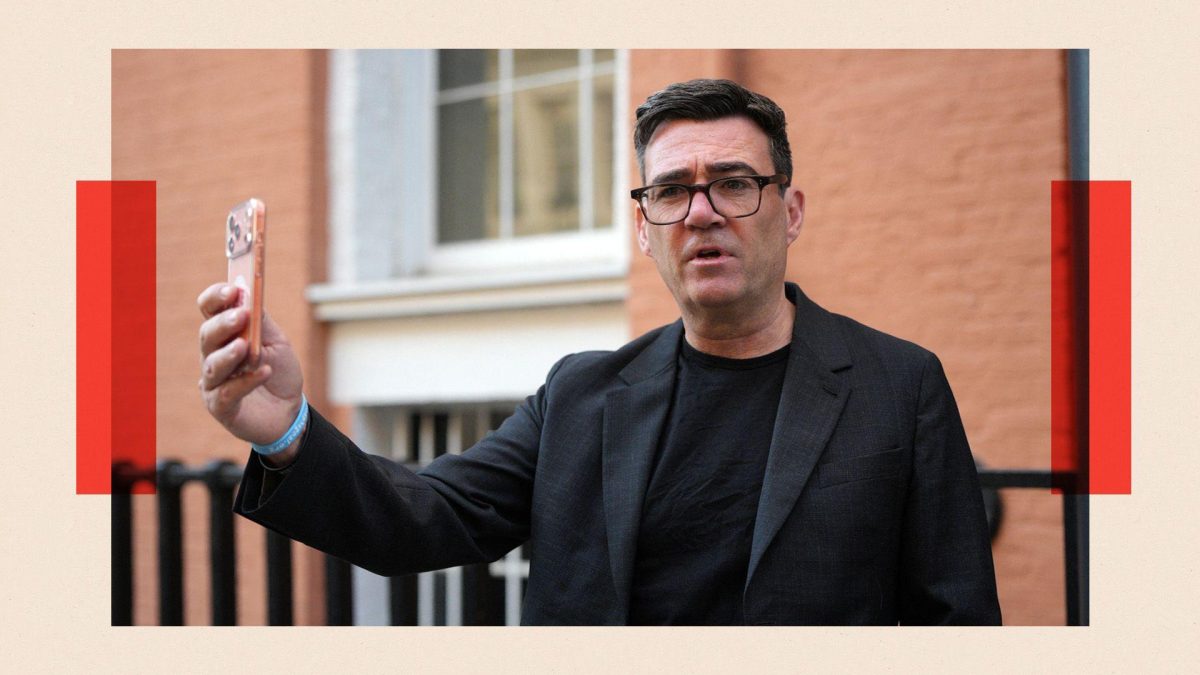
Table of Contents
When the Feed Becomes the Campaign Trail: UK Politicians and the Social Media Tightrope
The Question of Balance
Ninoda.com – In an era where a single post or collaboration can build or demolish a political reputation, finding the right tone has become a near-impossible calibration exercise. Leaders must appear genuine, reachable, and human — yet avoid the unmistakable whiff of cringe. And beyond optics, the harder question lingers: does any of it actually shift electoral outcomes?
A Teenager’s Flower Crown and a Decade of Lessons
The modern era of British political social media arguably began in early 2015, when petals and hearts were digitally pinned onto the head of Labour leader Ed Miliband. Behind the project stood Abby Tomlinson, then a 17-year-old sixth-form student, who rallied young — predominantly female — voters under the banner of “Milifandom” to push back against what they saw as a warped media image of their leader. She affectionately dubbed him “Milibae,” and the hashtag #Milifandom climbed the trending charts.
Labour then lost the 2015 general election. David Cameron, whose Conservatives had expanded their parliamentary majority, seized the moment with a pointed remark:
“Britain and Twitter are not the same thing.”
Tomlinson later reflected that watching her hopes for “Milibae” at Number 10 evaporate turned her into a “political pessimist.” She recognised that swaying voters through online channels
“doesn’t happen in a day, a week or even months, it’s going to take years.”
From the Margins to the Press Office
More than a decade later, Tomlinson has returned to the fray — this time from inside government. She now works in the press office at No 12 Downing Street as head of content for Andy Burnham. Over recent weeks the administration has been assembling producers, videographers, and strategists operating out of both Whitehall and No 10 North in Manchester.
In his opening month as prime minister, Burnham logged over 50 Instagram posts. The feed spans meetings with world leaders, grassroots campaigners, farmers, and influencers, alongside lighter fare — such as a meme-style ranking of pub snacks alongside Chancellor John Healey, woven into an announcement on business rates. Strategists see Instagram and TikTok as natural extensions of Burnham’s comedic instincts and communicative strengths, and pundits have broadly approved of the PM’s social media performance.
Every Party Is Playing the Game
The phenomenon is not confined to one side of the aisle. Conservative leader Kemi Badenoch has generated viral clips dissecting the budget or ribbing ex-PM Sir Keir Starmer. Across the spectrum, Reform UK’s Nigel Farage commands the largest online audience of any UK party leader, totalling 7.6 million followers spread across Facebook, Instagram, X, TikTok, and YouTube.
In Scotland, the SNP have long marshalled their digital base to campaign for independence, amassing a following that outstrips the Liberal Democrats — a party campaigning across all of Britain whose leader, Ed Davey, has scored occasional viral moments with campaign stunts. Restore Britain, launched by former Reform MP Rupert Lowe, draws its strongest support among X users; the platform’s owner, Elon Musk, has publicly backed the party, widening its reach. Plaid Cymru, freshly installed in the Welsh government, is still testing its digital voice, alternating First Minister Rhun Ap Iorweth in lighthearted memes with more sober interview excerpts. Meanwhile the Greens’ Zack Polanski has championed personally managing his own accounts — a strategy he has discovered carries its own set of risks.
The May Contrast: Formality Versus the Feed
Theresa May, Cameron’s successor, shared his scepticism about social media’s electoral value. On taking office she turned down aides urging her to begin tweeting, explaining:
“People don’t say ‘pass me the hashtag newspaper, or I’d like a hashtag coffee.'”
Announcements under her premiership were delivered formally. When cabinet ministers were named in her first reshuffle, the news arrived via press statements set beneath the UK government coat of arms. By contrast, this summer, while presenting my 5 Live broadcast from Downing Street during Burnham’s inaugural reshuffle, I could anticipate the arrival of a new minister simply by watching the two-person social media team from No 10 shift into position to capture the newcomers on camera.
A Long Line of Technological Adaptation
Prime ministers — and aspirants — have always bent new media to their purposes. Winston Churchill seized radio’s power while dismissing television as a vulgar diversion. In the 1960s, Labour’s Harold Wilson patterned his television campaigning on John F. Kennedy’s American playbook. Through the 1990s and 2000s, leaders such as Tony Blair were as likely to be spotted on a chatshow sofa as on the Today programme.
Today, podcasts offer longer-form, less combative avenues for connecting with voters, while social media delivers a rapid jolt of direct democratic dopamine. Peter Hyman, a former adviser to Tony Blair, has tracked these shifts across decades of British politics.
Related Reading
Frequently Asked Questions
What is The dangers of politicians being too online?
The dangers of politicians being too online is the main topic of this guide. The article explains the context, practical details, and next steps readers should understand.
Why does The dangers of politicians being too online matter?
The dangers of politicians being too online matters because readers are looking for a useful answer, not just a short summary. Good content should match search intent and help them decide what to do next.