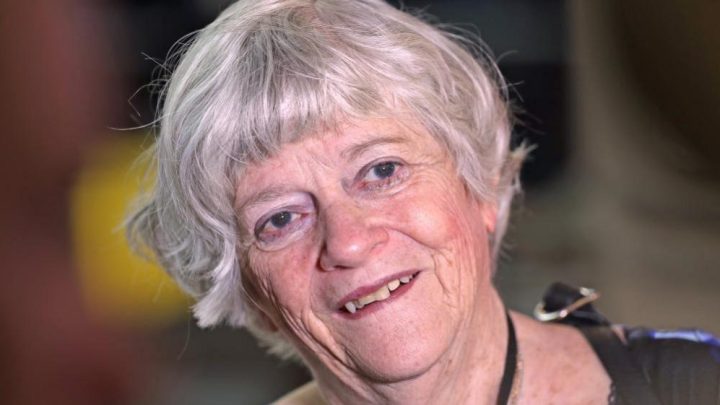
London council takes possession of property linked to Sierra Leone’s First Lady


London Council Seizes Property Linked to Sierra Leone’s First Lady
Ninoda.com – The London council takes possession of property in a significant move, as Southwark Council has confirmed the seizure of a residence in Walworth connected to Fatima Bio, the First Lady of Sierra Leone. This decision comes after a 12-month investigation into potential misuse of council housing, which has raised questions about the eligibility of high-profile individuals for public support. Bio, a prominent figure in Sierra Leone’s political and social landscape, has been at the center of this controversy following her recent appearance on BBC Global Women, where she recounted her journey from fleeing a potential child marriage to securing asylum in the UK and becoming a symbol of resilience.
Investigation into Property Eligibility
Southwark Council’s decision to take possession of property was prompted by concerns over the allocation of housing resources. The investigation focused on whether the property, which Bio had been residing in, met the criteria for council housing. While the council has not disclosed specific financial discrepancies, they emphasized the need to ensure that properties are accessible to those with the greatest need. Bio’s office has since defended the tenancy, highlighting her personal investment in the property and her status as a British citizen. The case has sparked broader discussions about the transparency and accountability of housing authorities in managing public assets.
“The council’s role is to provide safe and secure housing to individuals who qualify, and this action ensures we uphold that responsibility,” stated Reginald Popoola, Southwark Council’s executive member for council homes.
Popoola also noted that the seizure is part of a larger initiative to combat tenancy fraud. Over the past two years, the council has recovered 107 properties through similar efforts, underscoring their commitment to addressing issues such as unauthorized occupation. Despite the formal process, Bio remains in the property, with no criminal charges filed against her. This has led to mixed reactions, with some praising the council’s proactive approach and others questioning the fairness of targeting a high-profile individual.
Broader Implications for Housing Policy
The London council takes possession of property in this instance reflects a growing emphasis on stringent housing regulations. Southwark Council’s action has been framed as a necessary step to protect limited resources for vulnerable residents, including families and individuals seeking asylum. However, critics argue that the case highlights the challenges of balancing public accountability with the rights of individuals in temporary housing situations. Bio’s tenure as First Lady of Sierra Leone, which includes advocacy for women’s rights and education, has added another layer to the debate, as her personal story intertwines with the institutional process.
With over 18,000 people waiting for affordable housing in Southwark, the council’s decision has raised concerns about the potential impact on long-term residents. Popoola acknowledged the pressure on housing availability, stating that “even those with the highest priority may wait years for a home.” The case also serves as a reminder of the complex relationship between local authorities and international figures, as Bio’s presence in the UK has drawn attention to Sierra Leone’s social and economic conditions. Her office has yet to provide further clarification, leaving the public to speculate on the circumstances surrounding the property seizure.
Public Reaction and Media Scrutiny
The announcement has generated widespread media coverage, with UK and Sierra Leone outlets dissecting the implications of the London council taking possession of property. Some reports have highlighted Bio’s contributions to her home country, questioning whether her circumstances justify the council’s action. Others have focused on the procedural aspects, noting the rigorous investigation that led to the decision. Social media platforms have become a battleground for opinions, with supporters of Bio arguing for a more lenient approach and opponents calling for stricter enforcement of housing rules.
Meanwhile, the council has emphasized its dedication to fair housing practices, citing a 30% increase in demand for council properties over the past five years. This surge has prompted the authority to adopt more robust measures to verify eligibility, including cross-referencing data with immigration and social services. The property in question is now expected to be reassigned to a family on the waiting list, a step that could set a precedent for future cases. As the situation unfolds, it remains to be seen whether this action will be viewed as a model of accountability or a symbol of political tension.