‘Not a model’ – Bielsa refuses to engage with World Cup photoshoot

Bielsa’s Unconventional Approach to World Cup Media
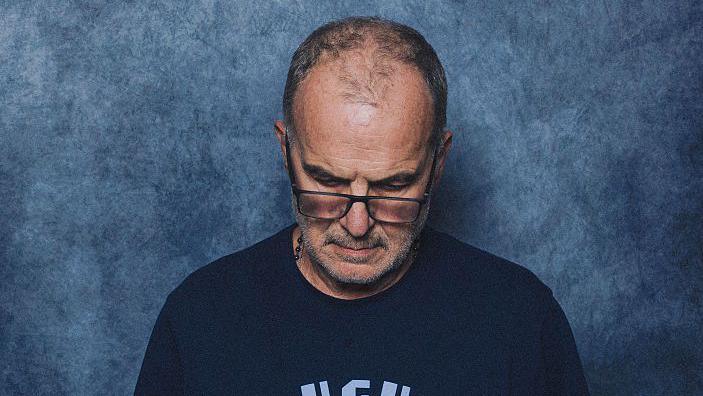
Ninoda.com – At the recent World Cup, the tradition of official team photoshoots has become a staple of media engagement, yet Uruguay’s coach Marcelo Bielsa has defied this norm with a defiant attitude. Known for his reputation as ‘Not a model,’ Bielsa has long been a polarizing figure in football, embodying a unique blend of eccentricity and tactical brilliance. While most managers and players eagerly participate in these sessions to project unity and excitement, Bielsa’s choice to avoid eye contact during the shoot has sparked widespread debate. His refusal to conform to the expected image of a charismatic coach has not only highlighted his individuality but also raised questions about the role of media in shaping a coach’s public persona.
Defying Tradition: A Coach’s Unique Perspective
Bielsa’s stance during the photoshoot underscores his belief in maintaining authenticity over performative appearances. The 70-year-old has consistently challenged conventions throughout his career, from his unorthodox training methods to his habit of cooling off during matches by sitting on an ice box. His declaration,
“I’m not a model,”
resonated with fans who admire his unfiltered approach, while also contrasting sharply with the polished images of his peers. This moment has become emblematic of his larger philosophy: that a coach’s value lies in their expertise and vision, not in their ability to pose for cameras.
The FIFA-organized photoshoot, a routine part of the World Cup experience, typically captures teams in celebratory poses to promote the tournament’s brand. However, Bielsa’s refusal to engage with the camera has disrupted this formula. His downward gaze during the session, coupled with a dismissive attitude toward the need for explanation, has left journalists and analysts speculating on the deeper meaning behind his actions. Some argue that his behavior reflects a rejection of superficiality, while others suggest it may be a subtle protest against the over-commercialization of football. Either way, Bielsa has cemented his reputation as a coach who prioritizes substance over style.
A Legacy of Unconventional Behavior
Bielsa’s eccentricities are not new. For decades, he has been a subject of fascination for his quirks, such as analyzing videos in the middle of the night or the habit of picking up litter at matches. These behaviors have often been interpreted as signs of his intense focus and commitment to the game. Yet, in the context of the World Cup photoshoot, they take on a new significance. His refusal to pose for the camera has been described as a form of protest against the pressure to maintain a certain image.
“If I’m wearing glasses, why am I wearing glasses? You look somebody in the eye, why do you do that?”
he once remarked, illustrating his belief that such gestures are unnecessary and even artificial.
Uruguay’s next match against Cape Verde will test Bielsa’s tactical prowess, but the broader implications of his actions extend beyond the pitch. In an era where coaches are increasingly scrutinized for their public appearances, Bielsa’s ‘Not a model’ declaration has become a rallying cry for those who value individuality over media compliance. His choice has also drawn attention to the growing tension between the sport’s authentic spirit and its commercial demands, a theme that has defined his career. As the tournament progresses, his stance may inspire others to embrace a similar ethos of self-expression.
Media and Public Perception: A Coach’s Dilemma
Bielsa’s interactions with the media have always been a double-edged sword. On one hand, his candid remarks and unfiltered demeanor have earned him a loyal following. On the other, they have occasionally led to criticism for his perceived aloofness. This photoshoot, however, has provided a rare opportunity for him to articulate his position with clarity.
“There is nothing wrong about wearing glasses or looking into somebody’s eyes or looking down,”
he said, emphasizing that his choice was not about rebellion but about authenticity. His words have since been widely quoted, reinforcing the idea that ‘Not a model’ is not just a comment on the photoshoot but a reflection of his broader philosophy.
As the World Cup continues, the significance of Bielsa’s refusal to engage with the camera will likely grow. His actions have not only highlighted the coach’s unique personality but also sparked conversations about the role of media in modern football. While some view his stance as a rejection of tradition, others see it as a necessary evolution in an industry that often prioritizes image over substance. The debate surrounding his ‘Not a model’ declaration may ultimately shape how future generations perceive the intersection of coaching and public relations.
Bielsa’s legacy as a coach is deeply rooted in his ability to challenge norms and inspire loyalty through his unconventional methods. From his dramatic outbursts on the sidelines to his insistence on analyzing every detail of the game, he has always been a figure who demands attention in his own way. The photoshoot, though brief, has become a defining moment in his World Cup campaign, further solidifying his reputation as ‘Not a model’ but a coach who thinks outside the box. As Uruguay moves forward in the tournament, the focus will remain on whether his refusal to conform can translate into success on the field, or if it will continue to be a symbol of his broader resistance to the pressures of global football.