Partey misled Canadian officials over previous arrest

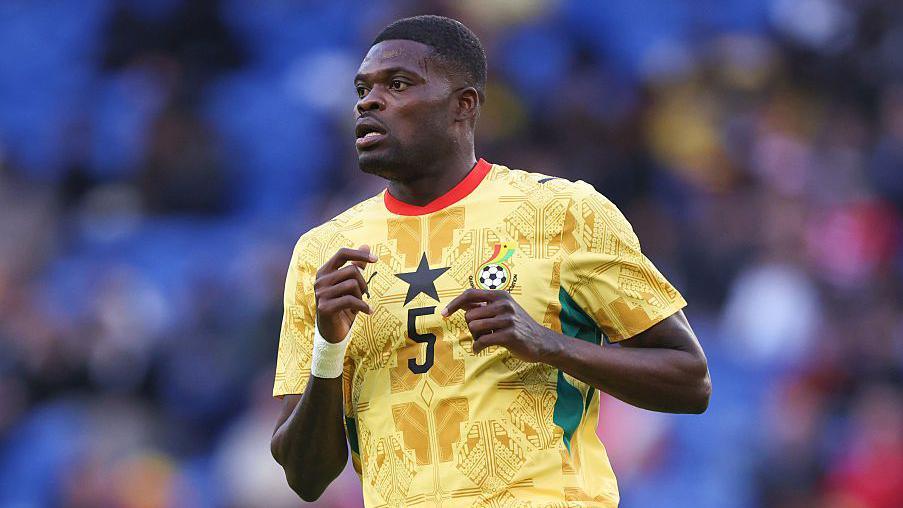
Table of Contents
Partey misled Canadian officials over previous arrest
Ninoda.com – Ghana’s national team faces a significant hurdle as Thomas Partey’s potential participation in the World Cup is under scrutiny due to a recent incident involving Canadian immigration authorities. The 33-year-old midfielder, currently playing for Villarreal in Spain, was denied entry into Canada for the opening match against Panama, following allegations that he misrepresented his criminal record. This misrepresentation, which centered on his previous arrest in the UK, has raised questions about the integrity of the visa application process and its impact on international player eligibility.
The Legal Context of the Denial
Immigration, Refugees and Citizenship Canada (IRCC) flagged Partey’s application after uncovering evidence of a prior arrest linked to sexual violence charges. These charges, which date back to 2020, were alleged by four women and have since become a focal point in the debate over whether players can be excluded from international competitions based on pending legal cases. The federal court in Ottawa recently upheld the decision to deny Partey’s visa, emphasizing that the absence of a conviction does not exempt individuals from being deemed inadmissible if there are reasonable grounds to suspect an offense.
Canada’s Stance on Visa Transparency
“Canada has been consistent that hosting major events does not change immigration laws. Every person seeking to come to Canada is assessed individually, based on the facts available and the law that applies.”
This statement from IRCC underscores the country’s commitment to strict visa compliance, even for high-profile athletes. Officials argue that transparency in disclosing criminal history is crucial, especially for nations like Canada that prioritize security and public trust in their immigration systems. The decision has sparked a broader discussion about how nations balance the need for legal accountability with the inclusion of talented players in global competitions.
The case against Partey involves seven counts of rape and one sexual assault, all stemming from allegations made between 2020 and 2022. While he has not been convicted, the charges have been deemed sufficient to justify his exclusion from the Canadian-hosted match. The Canadian government’s appeal was rejected by the federal court, which found that Partey’s denial of the arrest constituted a misrepresentation. This legal action highlights the strict scrutiny applied to visa applicants, particularly those with criminal histories.
Ghana’s Response and Strategic Implications
Ghana’s head coach, Carlos Queiroz, has defended the decision to include Partey despite the controversy, stating that the team’s primary focus remains on performance. “My business is to play with the cards that I have in front of me,” Queiroz explained, adding that the team is prepared to adjust its strategy if necessary. However, the exclusion of Partey has left Ghana’s squad with a key midfielder missing, which could affect their group stage prospects.
The incident has also reignited debates about the role of criminal proceedings in international sports. While some argue that a pending case should not automatically disqualify a player, others stress the importance of upholding legal standards in the selection of athletes for national teams. As Ghana prepares for its next matches against England and Croatia, the question remains: will Partey’s misrepresentation over his previous arrest impact the team’s overall performance in the tournament?