‘The reaction is terrible’ – World Cup final turns ugly at full-time

‘The reaction is terrible’ – World Cup final turns ugly at full-time
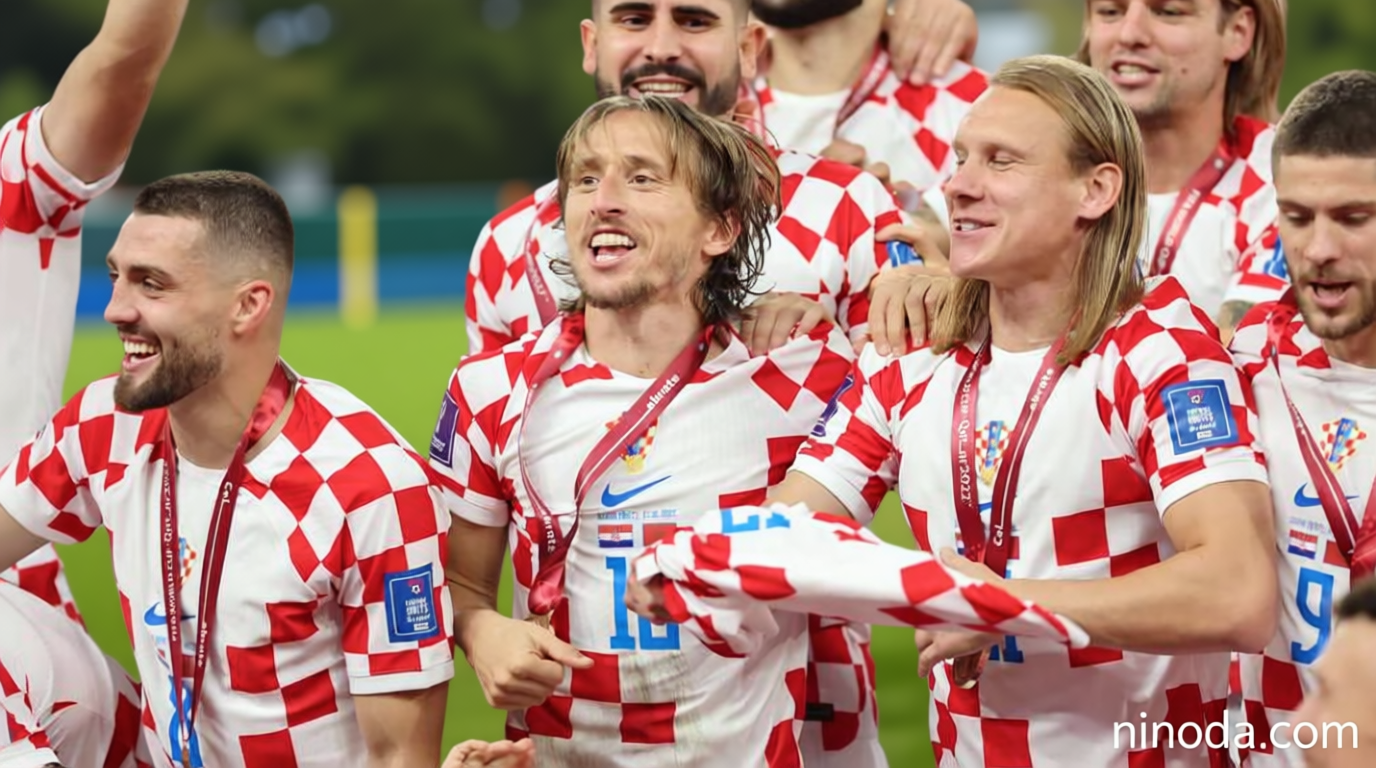
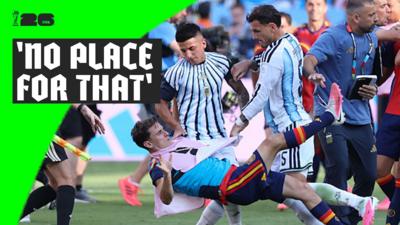
Ninoda.com – The reaction is terrible, and the moment crystallized during the 2026 World Cup final as Argentina’s players erupted in frustration following their narrow defeat to Spain. The match, held in a packed stadium in the United States, ended with Spain securing a 1-0 victory in extra time, sending the crowd into a frenzy and sparking a heated exchange between the Argentine squad and officials. The incident, which unfolded in the final moments of the game, has since drawn widespread attention for its dramatic intensity and the emotional fallout it generated. While the outcome of the final was a defining moment in the tournament, the players’ outburst highlighted a growing tension that had simmered throughout the competition.
The Incident That Sparked the Backlash
The clash came after a tightly contested match that saw both teams display exceptional skill and resilience. Argentina, the reigning champions from the 2022 World Cup, had entered the final with high expectations, but Spain’s tactical precision and late-game composure proved decisive. In the dying seconds of extra time, a goal from Spain’s forward, who had been instrumental in the team’s run to the final, sealed the victory and left the Argentine players in a state of disbelief. As the final whistle blew, the players rushed onto the pitch, confronting the referee and the stadium staff, their anger palpable and their gestures dramatic. One player, clearly overwhelmed, was overheard saying,
“The reaction is terrible,”
as the crowd’s chants of disappointment echoed through the venue.
The scene unfolded in a dramatic sequence of events that left fans and analysts divided. Some accused the players of overreacting, while others praised their passion and commitment to the cause. The referee, who had been at the center of several controversial calls during the match, faced immediate scrutiny. Video footage of the confrontation, which included players slamming the ball into the ground and shouting at officials, quickly went viral, sparking debates about sportsmanship and the emotional highs and lows of international competition. The incident not only overshadowed the match’s result but also became a symbol of the pressure that comes with competing for global glory.
Reactions from the Press and Fans
Media outlets around the world seized on the moment, with headlines emphasizing the players’ outburst and the broader implications for the tournament. Analysts dissected the final’s key moments, pointing to Argentina’s missed opportunities and Spain’s strategic mastery. Social media platforms were flooded with posts from fans expressing both frustration and pride, with some arguing that the players’ reactions were a natural consequence of the loss, while others criticized the lack of control. The focus keyword, “The reaction is terrible,” became a central theme in discussions, underscoring the emotional volatility of the moment.
Meanwhile, the players themselves faced a mix of support and criticism in the aftermath. While some defended their outburst as a testament to their dedication, others pointed to the need for composure in high-stakes situations. The incident also raised questions about the role of referees in managing player behavior, with calls for clearer communication and consistent decision-making. Fans, however, remained loyal, with many acknowledging the team’s effort while lamenting the dramatic finish. The keyword “The reaction is terrible” resurfaced in commentary, highlighting the contrast between the players’ intensity and the calm professionalism expected in international football.
Looking Ahead: Impact on the Tournament
The fallout from the final’s dramatic moment has already begun to influence the narrative of the 2026 World Cup. While Spain’s victory is celebrated as a hard-fought triumph, the incident has sparked conversations about the emotional toll of such high-pressure matches. The focus keyword, “The reaction is terrible,” encapsulates the players’ immediate response but also invites reflection on the broader themes of resilience, rivalry, and the human element in sports. As the tournament moves into its closing stages, the incident serves as a reminder of the unpredictable nature of football and the moments that define its legacy.
Additionally, the reaction has prompted discussions about the future of the World Cup format and the importance of player conduct. With the tournament still in progress, analysts are keen to see how this incident affects the remaining matches and the overall standings. The keyword “The reaction is terrible” continues to surface in coverage, not just as a descriptor of the moment but as a metaphor for the challenges faced by teams in their pursuit of victory. Whether viewed as a sign of passion or a lapse in discipline, the scene remains a pivotal chapter in the 2026 World Cup story, ensuring its place in the annals of football history.