Tuchel’s defensive gambles and what do they say about Alexander-Arnold?

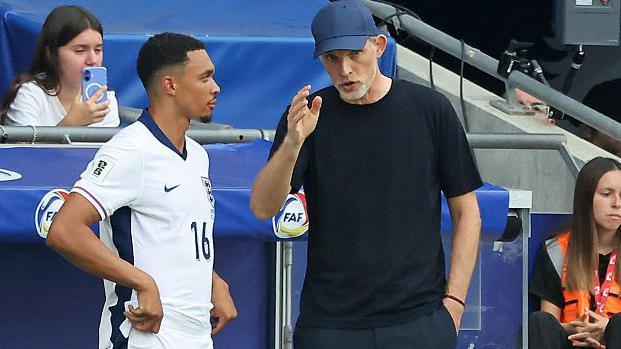
Tuchel’s Defensive Gambles and What They Say About Alexander-Arnold
Ninoda.com – Thomas Tuchel’s defensive gambles and what they reveal about Trent Alexander-Arnold’s role in England’s national team have sparked intense debate following the coach’s decision to omit the Liverpool full-back from the squad. With Tino Livramento’s last-minute injury due to a calf problem, Tuchel opted for Chalobah, a central defender with just one senior cap, to bolster the backline. This move has raised questions about the coach’s strategy and whether his reliance on tall, physical defenders is a calculated risk or a sign of hesitation toward Alexander-Arnold’s defensive contributions.
The Tactical Shift and Its Implications
As England prepares for their World Cup campaign, Tuchel’s tactical decisions continue to highlight a recurring theme: prioritizing defensive solidity over positional versatility. Alexander-Arnold, a natural full-back known for his attacking flair, has been sidelined in favor of players like Chalobah, who bring different attributes to the backline. This shift reflects Tuchel’s emphasis on physicality and consistency, but it also suggests a possible underestimation of Alexander-Arnold’s ability to adapt to multiple roles.
England’s defensive line has long been a source of concern, with players like Reece James and John Stones facing scrutiny for their injury-prone records. James, who has missed significant matches due to hamstring issues, and Stones, a 32-year-old defender with only five Premier League appearances last season, exemplify the challenges Tuchel faces in maintaining stability. The inclusion of Chalobah over Marc Guehi further underscores the coach’s willingness to take defensive gambles, even at the highest level of international competition.
Historical Context of Tuchel’s Choices
Tuchel’s selection of Chalobah over Alexander-Arnold is part of a broader pattern that has drawn criticism since the start of last season. The coach has frequently favored tall, commanding defenders, which has left the squad with fewer options in the full-back role. Livramento’s injury history, including a thigh problem that sidelined him for much of the campaign, makes his exclusion less surprising. However, it also casts doubt on whether Tuchel’s strategy is overly dependent on players with similar vulnerabilities.
“If Tuchel wants to maximize England’s chances in the World Cup, he must ensure the defensive side of the game is robust. A single error in the backline, especially against elite opponents, can determine the outcome of a match. It’s a high-stakes gamble that requires confidence in the players selected.”
With three natural full-backs—James, Djed Spence, and Nico O’Reilly—available, Tuchel’s preference for central defenders appears to be a strategic choice rather than a necessity. This decision has sparked discussions about the balance between defensive and attacking roles, particularly in a tournament where adaptability can be the difference between success and elimination. The coach’s focus on physicality may be a response to England’s recent defensive struggles, but it also leaves room for doubt about his long-term vision.
Tuchel’s defensive gambles and what they say about Alexander-Arnold’s standing in the squad are evident in the coach’s comments on the team’s defensive frailties. He has emphasized the need for players who can “take the defensive part very seriously,” which has led to the exclusion of those who excel in attack. This approach, while aimed at reducing risk, may inadvertently limit the squad’s creativity and fluidity, especially when facing fast-paced opponents in the World Cup.
The Impact on Team Dynamics
England’s World Cup campaign hinges on a balance between defensive security and attacking innovation, a challenge Tuchel’s choices have intensified. By prioritizing players with traditional defensive profiles, he risks creating a rigid backline that struggles to adapt to different formations or opponents. This could be particularly problematic against Croatia, a team with a strong attacking presence and tactical flexibility. The absence of Alexander-Arnold, who has shown both defensive resilience and offensive flair, may leave the squad less prepared for dynamic set-pieces or counterattacks.
Tuchel’s defensive gambles and what they say about the trust he places in his squad members are now under closer examination. While the coach’s emphasis on physicality has provided stability in some areas, it has also led to questions about the depth of England’s defensive options. With the World Cup’s high-pressure environment, the reliance on players with injury histories may test the team’s ability to perform consistently. This raises the stakes for Tuchel’s decisions and highlights the need for a well-rounded defensive strategy.
As the Three Lions take to the field in Dallas, Tuchel’s strategy will be closely watched by fans and analysts alike. The coach’s choice to include Chalobah over Alexander-Arnold has reignited debates about the full-back’s role in the national team and whether his exclusion is a temporary setback or a long-term shift in Tuchel’s philosophy. The outcome of the World Cup may ultimately reveal whether these defensive gambles pay off or expose deeper vulnerabilities in England’s planning.